


Pope Leo XIV’s Call to African Youth: Building Futures at Home
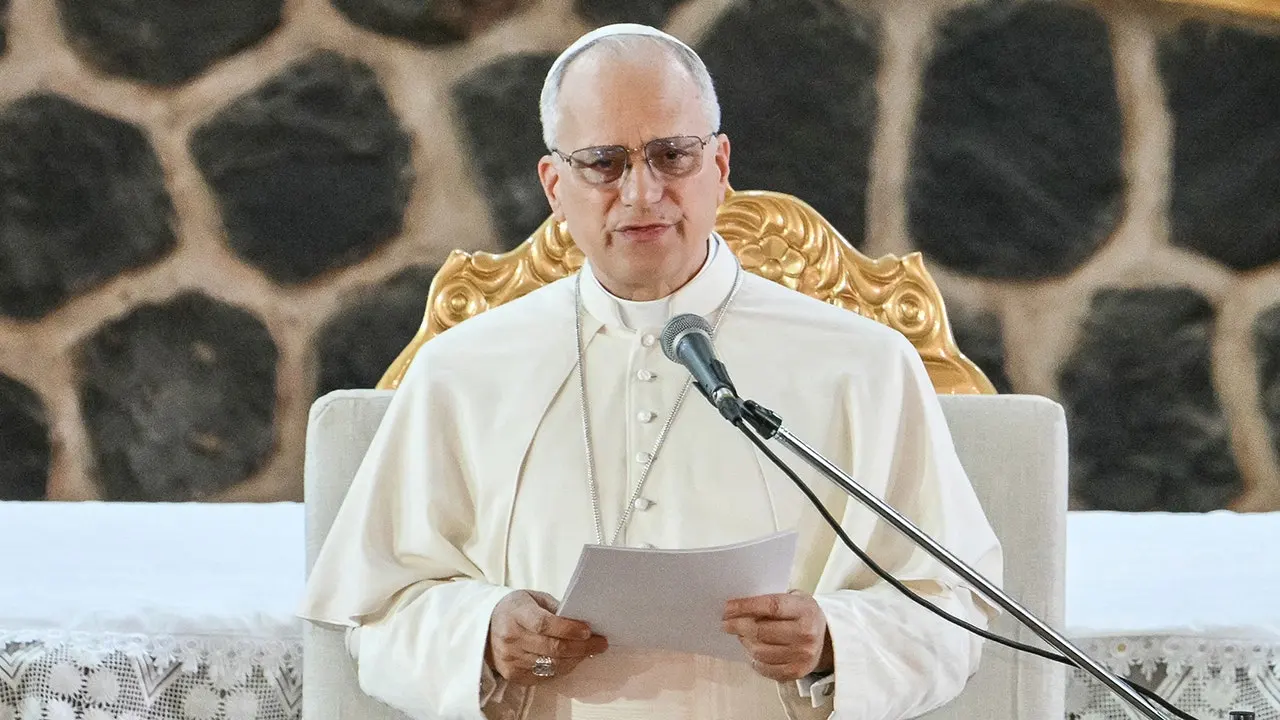
Imagine standing in the grand halls of the Catholic University of Central Africa in Yaoundé, Cameroon, surrounded by the vibrant energy of university students buzzing with dreams of what tomorrow might hold. Pope Leo XIV, with his characteristic mix of quiet wisdom and unwavering resolve, addressed these young minds last Friday during his 11-day apostolic journey across the African continent. This wasn’t just any papal visit; it was a heartfelt plea, wrapped in the warmth of shared humanity, urging youth to rethink the siren call of migration. In a world where opportunities seem greener on the other side—be it Europe, Asia, or the Americas—the Holy Father challenged them to channel their passions inward, to pour their education and aspirations into the soil of their own countries. “In the face of the understandable tendency to migrate,” he said, his voice steady and compassionate, “I invite you, first and foremost, to respond with an ardent desire to serve your country and to apply the knowledge you are acquiring here to the benefit of your fellow citizens.” Picture the pope, a man who has walked among the world’s faithful for decades, not as a distant figure but as a grandfatherly guide, seeing in these students not just potential migrants, but architects of change. He painted a vision where their talents aren’t exported like commodities but invested like seeds, growing into stronger communities. Leo spoke from a place of deep empathy, acknowledging the hardships that push people to leave—the economic grind, the political turmoil—but he reframed it as an opportunity for heroism at home. By staying, these young people could become the heartbeat of progress, confronting corruption, violence, and poverty head-on. His words weren’t lectures; they were invitations to imagine their own stories interwoven with their nation’s fate, turning personal ambitions into collective triumphs. As the students listened, you could sense a ripple of inspiration, a reminder that true leadership begins with the courage to root oneself in place, even when winds blow fiercely.
Delving deeper into his address, Pope Leo emphasized the transformative power of commitment, painting a picture of youth as society’s rising hopes rather than its restless explorers. He urged them to embrace a “commitment to society,” reflecting on the unique needs of their homelands with eyes wide open. In a continent scarred by systemic issues—corruption that gnaws at trust, economic hardships that squeeze families, and political instability that fractures hopes—Leo called for a generation rooted in wisdom and justice. “Africa, indeed, must be freed from the scourge of corruption,” he declared, his tone firm yet hopeful, like a parent guiding a child through a storm. He highlighted how education and spiritual formation aren’t just about degrees or doctrines but about forging builders—men and women who craft just and humane futures from the ground up. Imagine a young Cameroonian engineer, armed with a university education, not dreaming of skyscrapers in Paris, but envisioning sustainable energy solutions in remote villages. Or a budding journalist using her skills to expose graft, fostering accountability. Leo’s message was richly human, weaving in stories of perseverance: think of elders who weathered colonialism and civil strife, proving that change blooms from within. He painted education as a bridge to empathy, teaching students to confront not just personal dreams but communal pains. By committing to local issues, they become “witnesses of wisdom and justice,” turning passive observers into active healers. This wasn’t abstract theology; it was a call to hands-on revolution, where faith meets action in everyday struggles. As Bishop Robert Barron later reflected, Leo’s choice of papal name evokes themes of strength and continuity, but here, it resonated as an invocation for youthful renewal. The pope’s words lingered in the air, a manifesto for self-reliance that respects individual yearning while honoring collective destiny.
Yet, his exhortation arrives against a backdrop of stark realities: Africa’s displacement crisis, a human tide that has swollen in recent years. While internal migration claims the lion’s share—millions shifting within the continent for work or safety—the outward pull toward Europe, Asia, and Northern America grows irresistible. In 2020 alone, about 11 million Africans made Europe their haven, 5 million sought fortune in Asia, and 3 million ventured to North America, per World Migration Report data. To humanize these numbers: each figure represents families torn by longing, parents whispering goodbye to children boarding rickety boats or crossing deserts under starlit skies. Political conflicts, rampaging in places like Somalia, Nigeria, and Sudan, breed refugees by the millions; corruption siphons off potential, leaving fertile lands arid; violence and economic hardship, including food insecurity, complete the grim quartet. Envision Somali fishermen, once proud providers, fleeing clan feuds for Kenyan camps, or Nigerian farmers battling droughts compounded by governance failures. In Sudan, where civil wars echo ancient grievances, entire communities uproot, seeking sustenance far from their ancestral homes. Pope Leo didn’t gloss over these pains; instead, he reframed migration as a symptom of unfinished business at home. His call isn’t to douse dreams of elsewhere but to amplify the promise of “here”—suggesting that building better systems domestically could stem the exodus, turning desperation into dignity. By staying, these youth could dismantle the root causes, transforming migrant stories from tragedies of loss to tales of redemption, where homelands become havens once more.
Transitioning from the grand themes of service to the personal sting of global politics, Pope Leo’s message gained sharper edges in the shadow of recent controversies. Just days before his Cameroon visit, President Donald Trump lashed out on Truth Social, branding the pontiff “weak on crime, and terrible for foreign policy.” The outburst stemmed from Leo’s vocal opposition to the U.S.-Israeli conflicts in Iran, where he implored for peace amid fierce battles. Trump’s words weren’t just barbs; they ignited a fierce exchange, boiling over into public disillusionment. But Leo, ever the diplomat, deflected with grace, proclaiming last Saturday that debating the president held no interest for him—his focus was on mending divides, not widening them. Humanizing this feud reveals layers: a frail octogenarian pope, devoted to bridging faiths and nations, clashing with a brash leader whose tweets rattle thrones. Leo’s stance on the Iran war wasn’t partisan; it was a father’s plea for cessation, echoing his lifelong mission to champion reconciliation. He sees himself as a peacemaker in a fractured world, unbothered by political tit-for-tats, prioritizing prayers over polemics. This episode underscores how Leo’s African sojourn wasn’t isolated—it was a microcosm of larger tensions, where papal appeals for justice intersect with superpower sabers. Yet, in Yaoundé, he chose elevation over escalation, using his platform to inspire unity over discord. His refusal to engage Trump directly speaks volumes: a preference for subtle diplomacy, where influence flows from quiet conviction rather than heated rebuttals. For the students listening, it modeled resilience—how faith can weather storms of criticism, turning adversaries’ voices into echoes against a symphony of hope.
Expanding on the pope’s vision, Leo XIV wove threads of optimism into Africa’s complex narrative, envisioning education as the cornerstone of not just personal liberation but continental renaissance. He painted a vivid picture of universities like the one in Yaoundé as crucibles for transformation, where spiritual formation melts away cynicism, forging “builders of the future.” This isn’t mere rhetoric; it’s a blueprint for a more humane world, where Africa’s youth emerge as stewards rather than subjects. Incorporating elements like anti-corruption drives—deeply ingrained from early education—leos the youth to wield justice as a shield against exploitation. Imagine forums where students debate not only theology but also governance, inspired to innovate amidst scarcity. Leo’s emphasis on internal commitment echoes historical calls for self-determination, akin to Africa’s post-independence eras, yet refreshed for today. By humanizing these ideals, we see them through anecdotal lenses: a young Cameroonian accountant laboring to track corrupt funds, or a economist devising equitable policies amidst global inequalities. His visit highlighted how faith amplifies civic duty, blending Vatican teachings with local wisdom. In a digital age, this message resonates louder—new tools like the Fox News app now allow global audiences to “listen” to articles, bridging voices across borders. Such innovations democratize access, yet Leo reminds us that real change demands presence, not virtual escapes. As he concluded his address, the applause wasn’t just for words but for a promise: that Africa’s future hinges on its children’s hearts, unafraid to stay and rebuild.
In conclusion, Pope Leo XIV’s address encapsulates a profound humanism: a refusal to let migration’s lure overshadow home’s potential. Against Africa’s challenges and geopolitical barbs, his call to youth transcends sermons—it’s a story of resilience, urging action over exile. By committing locally, they combat corruption and forge justice, turning youth energy into societal gold. Trump’s critique only amplifies Leo’s peacemaking role, proving faith’s enduring power in divisive times. As the pontiff’s caravan moves on, his legacy in Yaoundé inspires: stay, serve, and shape a continent’s destiny. This is no artifact of policy; it’s a living testament to human spirit, where wisdom bridges divides. From university halls to world stages, Leo’s voice echoes: Africa’s redemption begins with its own.
NEWYou can now listen to Fox News articles!