


The Tumbling Starmer: A PM on the Edge
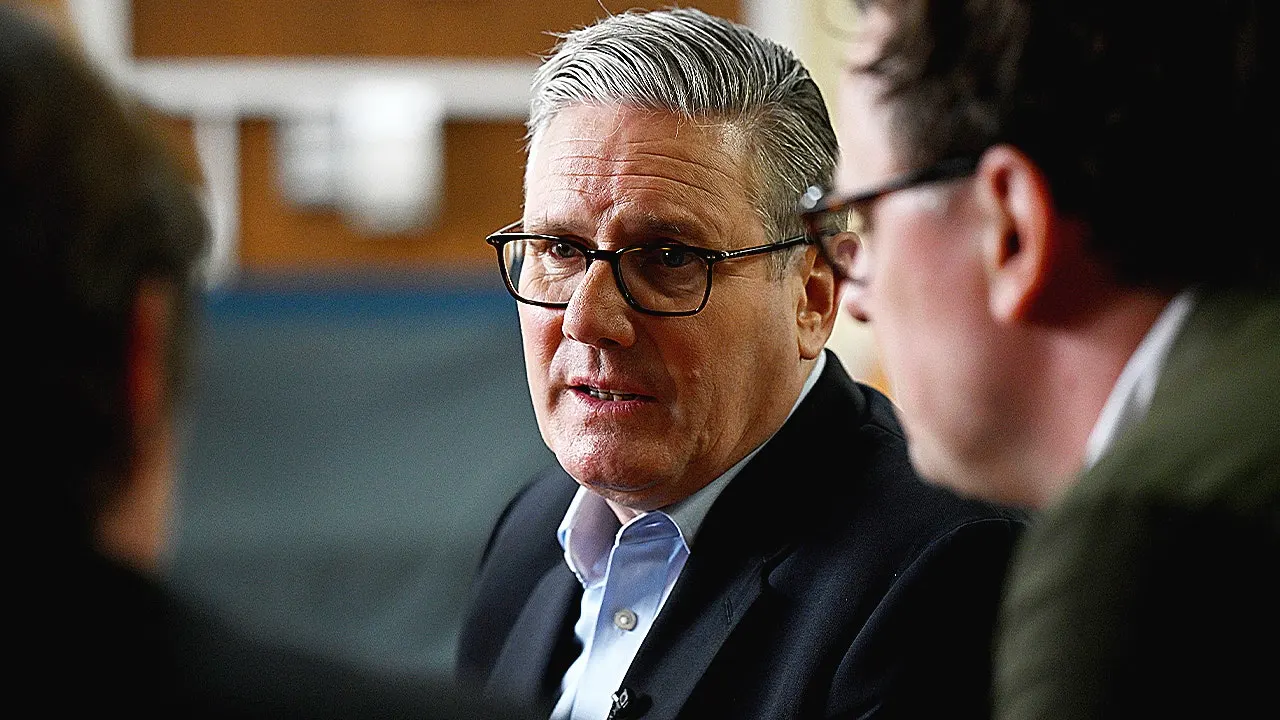
In the turbulent world of British politics, Prime Minister Keir Starmer finds himself in a full-blown crisis, battling for his job amid a chorus of dissent from within his own ranks. Having swept to power just months ago with bold promises to heal divisions after years of Conservative rule, Starmer now faces mounting pressure to resign. The trigger? A series of bruising setbacks that have eroded his authority and left many wondering if he’s the right man for the moment. Picture the scene: a leader once hailed as steady and principled now dodging calls to quit, with his party in open rebellion. Over 70 Labour MPs have publicly urged him to step down, their voices amplified by several close aides who resigned in protest. It’s a stark reversal for a man who vowed to unite Labour and restore Britain’s standing on the global stage.
Election Disaster and Public Outrage
The roots of this turmoil trace back to the local elections held on May 8, where Labour suffered catastrophic losses across England, Wales, and Scotland. Hundreds of council seats slipped away, long-held strongholds crumbled, and in Scotland, they even trailed behind rivals like Reform UK. These results weren’t just a political embarrassment; they were a seismic “earthquake” that exposed widespread dissatisfaction with Starmer’s leadership. Polls paint a grim picture: a YouGov survey revealed that around half of Britons believe he should resign immediately. It’s a damning verdict from the public, reflecting frustrations over unaffordable living costs, stagnant economic growth, and a government that feels out of touch. Voters aren’t cheering for chaos, but they crave change—someone who can deliver real improvements in their daily lives, from rising mortgages to healthcare woes that have become national nightmares.
Economic Woes and Controversial Ties
Adding fuel to the fire are deepening concerns over the UK’s economy and fiscal policies. Rising borrowing costs have crippled public services, leaving schools underfunded and hospitals overstretched without easing the burden on families struggling with inflation and housing shortages. Starmer’s choices haven’t helped; appointing Peter Mandelson, a known associate of disgraced financier Jeffrey Epstein, as ambassador to the United States has sparked outrage and a police investigation into potential Epstein ties. This is personal for many—it feels like a slap in the face to those demanding accountability from leaders. Economically, the UK teeters on the brink, with fears that Labour’s approach isn’t fixing the Tory mess but compounding it. Ordinary Britons, from shopkeepers to pensioners, are tired of belt-tightening measures that seem to hit them hardest.
Scotland’s Blow and Trump’s Jabs
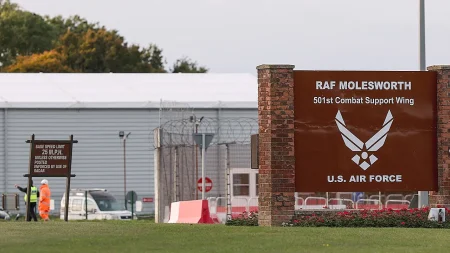
The crisis hit hardest in Scotland, where the SNP’s John Swinney clinched a decisive victory, further isolating Labour and amplifying Starmer’s woes. It’s not just about lost seats; it’s a symbolic defeat that highlights Labour’s disconnect from regional identities. Enter former U.S. President Donald Trump, who took a public swipe at Starmer, congratulating Swinney while poking fun at the PM’s Churchill-esque ambitions. Trump criticized Starmer’s reluctance to allow U.S. warplanes to use British bases during tensions with Iran, framing him as weak and indecisive. The strained Trump-Starmer dynamic adds an international layer to this domestic drama, reminding everyone of the UK’s fragile post-Brexit alliances. For everyday Scots, this win is empowering—Swinney’s message resonates on issues like independence and progressive policies, leaving Starmer scrambling to regain traction.
Starmer’s Defiant Stand and Internal Revolt
Yet Starmer isn’t going quietly. In a defiant “reset” speech on Monday, he vowed not to resign, drawing parallels to the Conservatives’ chaotic leadership battles. “I take responsibility for not walking away, not plunging our country into chaos,” he declared, urging unity against the opposition. It’s a heartfelt plea, but it rings hollow for critics like MP Sam Carlin, who slammed Starmer as ill-suited to revive Labour’s fortunes. Carlin and others argue that clinging to power risks the party’s soul—progress is halting, and a leadership vacuum could cost the next general election. Former minister Catherine West has formalized the challenge, pushing for a timetable to elect a new leader by September. These voices aren’t faceless bureaucrats; they’re passionate activists and seasoned politicians who fear Starmer’s stubbornness will doom Labour’s gains for good.
Eyeing the Horizon: Who Could Succeed?
If Starmer were to exit, the stage is set for a high-stakes succession battle under Labour’s rules, triggered by MP nominations and union support, ending in a member vote. Three names loom large: Greater Manchester Mayor Andy Burnham, a pragmatic local leader who could swing back north-south divides but must return to Parliament; Angela Rayner, the tough-as-nails deputy PM mired in past tax storm controversies; and Health Secretary Wes Streeting, an articulate voice on public services with immediate credibility. Each represents a different path—Burnham’s populism, Rayner’s grit, Streeting’s reform-drive—offering hope or fresh headaches. For the public, this isn’t just headline fodder; it’s about who can restore faith in government post-pandemic and post-Brexit. As Britain watches, the question hangs: Will Starmer weather the storm, or will a new face emerge to steer the ship? In the meantime, the Labour Party scrambles, while Britons hold their breath for stability. (Word count: 812)