


The Shadows of Tehran’s Turmoil
In the heart of global tensions, the recent collapse of high-stakes negotiations between the United States and Iran has shaken the Middle East like a seismic wave. Imagine a world where diplomats’ words once bridged chasms, but now, silence echoes louder than any treaty. Analysts are ringing alarm bells, warning that this breakdown isn’t just about agreements falling apart—it’s about survival. Senior figures in Iran’s leadership, those shadowy power brokers who’ve long manipulated the strings of power, might be packing their bags for Russia. Why Russia? Because it’s a refuge for those in exile, a place where they could regroup, fund insurgencies, and plot ways to undermine any new Iranian government that might rise from the ashes. It’s a chilling thought: these aren’t mere politicians; they’re ideologues who see their mission as divine, part of a regime fueled by messianic beliefs that justify extremism and proxy wars. As one expert put it, the potential exodus resembles nothing less than the flight of Syrian President Bashar al-Assad’s inner circle in 2024, seeking safety amid chaos.
Netanyahu’s Bold Vision Amid Uncertainty
Enter Benjamin Netanyahu, Israel’s resolute Prime Minister, delivering a candid interview on CBS’s “60 Minutes” that captured the imagination of millions. He painted a vivid picture: the fall of Iran’s regime could topple an entire empire of terror, dismantling the “scaffolding” of Iran’s global proxy network like Hezbollah and others that have sown instability across the region. Netanyahu didn’t mince words—he acknowledged it’s possible, though not guaranteed, to envision a post-Ayatollah Iran where the grip of extremism loosens. Picture the relief felt by everyday Israelis, Lebanese villagers long terrorized by rocket attacks, or families in Yemen ravaged by proxy conflicts. Yet, Netanyahu’s warning carried a human edge: this isn’t assured victory, but a window of opportunity born from desperation. Diplomatic avenues seem exhausted, leaving room for bolder actions. For ordinary people watching from afar, this feels like a turning point, where leaders’ fates intertwine with hopes for peace, reminding us that behind grand strategies are real lives—families divided, economies strained, and futures uncertain.
The Assad Parallel: A Blueprint for Exile
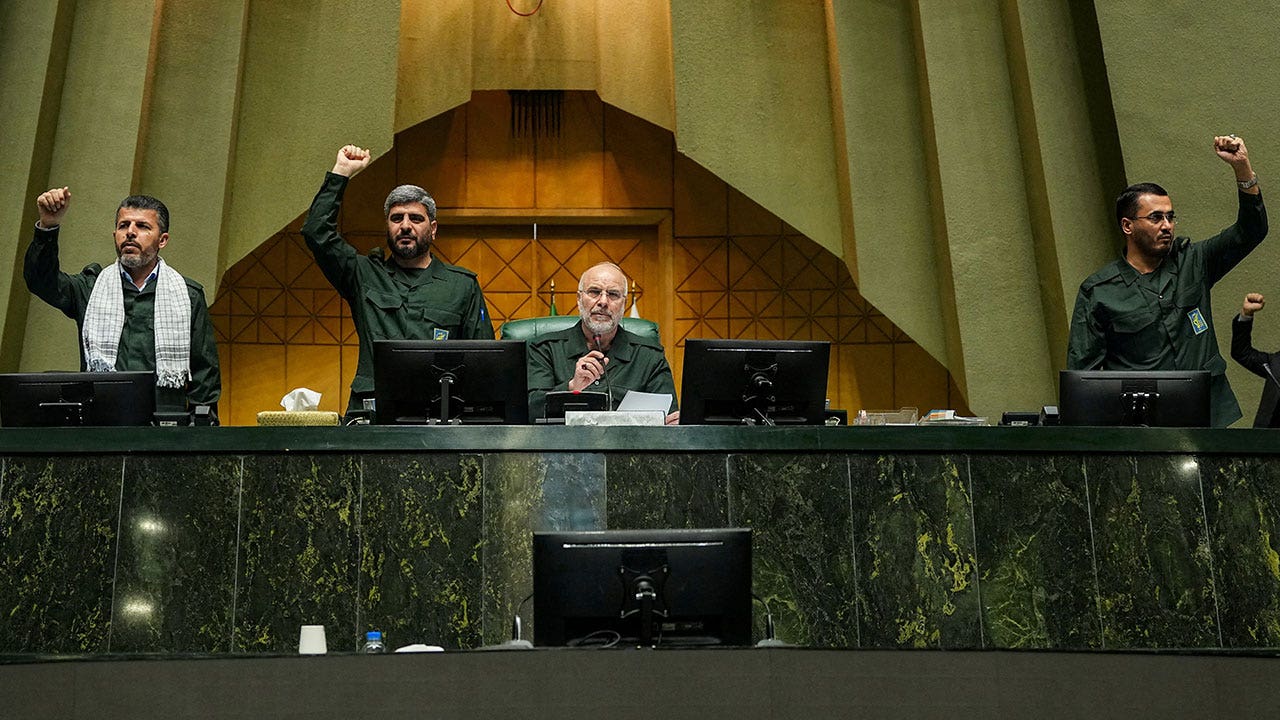
Diving deeper, Middle East expert Saeid Golkar from United Against Nuclear Iran draws stark parallels to Syria’s Assad, offering a lens into potential Iranian defections. Golkar, with his years of insight into Tehran’s opaque world, explains how Iran’s “invisible state”—the Bayt-e Rahbari— was crafted to endure decapitation strikes, ensuring continuity even if leaders fall. But as fractures widen in Iran’s military and ideological core, the allure of Russian sanctuary grows. For high-ranking elites like Parliament Speaker Mohammad-Bagher Ghalibaf, Moscow beckons as a fortified haven, where wealth stashed in offshore networks can fund covert operations. Lower echelons might scatter to Iraq or Afghanistan, leveraging connections with the Islamic Revolutionary Guard Corps (IRGC). Humanizing this, consider the personal toll: these are fathers, brothers, leaders who’ve woven their lives into a revolutionary tapestry, now facing desertion’s stigma. Inside Iran’s ruling ideology, fleeing equates to betrayal—a profound moral wound. Golkar notes that many have already siphoned millions abroad amidst sanctions, painting a picture of pragmatic corruption. It’s a stark reminder of how regimes, built on fervor, can crumble under pragmatism, leaving individuals to choose between dogma and survival.
The Death of a Leader and Succession’s Abyss
The crisis ignited following the death of Supreme Leader Ayatollah Ali Khamenei in early 2026, during strikes tied to “Operation Epic Fury.” His son, Mojtaba, was rushed to succeed him, but reports suggest he was gravely wounded and has vanished from public view—no videos, no messages. Golkar somberly states Mojtaba is “either dead or in bad condition,” shattering the regime’s continuity. Without a clear heir, the ideological edifice teeters, designed though it was for survival. For Iranians inside the country—students, merchants, dissenters—this conjures a mix of fear and faint hope. What if the regime falls? Cousins share whispered dreams of a freer Iran, free from theocratic repression. Internationally, allies and adversaries recalibrate: America senses leverage, Israel eyes a strategic win, while Russia positions itself as protector. Mojtaba’s injury humanizes the stakes; he’s not just a figurehead but a man embodying a dynasty’s dreams, now lost in the fog of war. This void deepens rifts, as power struggles erupt, mirroring historical upheavals where one man’s fate ripples through millions.
Echoes of Ideological Fire and Global Repercussions
Iran’s ruling doctrine, steeped in a “holy mission” and messianic fervor, fuels the regime’s extremism, blinding leaders to pragmatic exits. Fleeting would be seen as desertion, a heresy against the revolutionary spirit that has defined generations. Yet, as military alliances fracture and external pressures mount, the “Assad model” tempts those at the pinnacle. Imagine the inner turmoil: seasoned commanders wrestling with faith versus flight, their families’ safety in the balance. For global observers, this isn’t abstract geopolitics—it’s about containing nuclear ambitions, halting proxy terrorism, and fostering regional stability. Sanctions have already forced elites to move billions, exposing a web of corruption that ordinary Iranians decry. Human stories emerge: a former official in Moscow, haunted by old loyalties; a soldier’s widow in Tehran, torn between nationalism and yearning for change. The collapse could herald a new era, dismembering Hezbollah’s regional sway and reshaping alliances, from US-Israeli partnerships to Russian-Iranian ties.
Toward a Post-Ayatollah Dawn: Possibilities and Perils
If war escalates and the regime crumbles, what might a post-Ayatollah Iran resemble? Analysts muse on scenarios where democratic reforms take root, or where chaos breeds further instability. Netanyahu’s optimism clashes with realism—no guarantees, just possibilities. For the people of Iran, long suppressed under economic sanctions and censorship, this could mean reopened universities, freer voices, and economic revival. Yet, factions might vie for control, echoing past revolutions’ volatility. Internationally, it signals deterrence to rogue states, reinforcing norms against terrorism. Humanizing the vision, envision families reuniting across borders, children free from indoctrination, and a society healing wounds inflicted by decades of isolation. But perils loom: refugee crises, power vacuums inviting foreign interference. Experts like Golkar stress the regime’s survival instincts, warning that even decapitated, it might reconstitute. Ultimately, this moment tests humanity’s capacity for empathy—understanding the fears of Iranian exiles, the resilience of Israelis, and the global yearning for peace, turning headlines into lived experiences. As negotiations falter, the world holds its breath, poised between fear and fragile hope for a transformed Middle East.