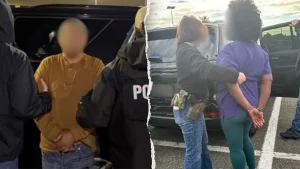






In a decisive and dramatic late-night operation, Polish security services arrested a Russian citizen on foreign soil, pulling back the curtain on a chilling assassination plot that the world’s intelligence agencies feared could ignite an even deeper crisis. The disclosure, made by Polish Prime Minister Donald Tusk, revealed that the detained man was an alleged assassin hired by Russian intelligence with orders to kill a Ukrainian-American citizen, a man viewed as an inconvenient dissenter to the Kremlin’s brutal agenda. The operation, described by officials as a truly brilliant piece of detective work, was thwarted at the very last minute, preventing a cold-blooded execution on the streets of Warsaw. While the target’s life was spared, the incident serves as a stark reminder of the shadow war unfolding across Europe, where no border seems too sacred and no enemy of the state is ever beyond the reach of the Kremlin’s long and vengeful arm.
The very idea of a contract killer waiting in the shadows, perhaps in a quiet café or on a busy thoroughfare, brings home the terrifying reality of Russia’s intelligence apparatus. Tusk’s words, spoken with a mix of pride and gravity, painted a picture of fear, courage, and narrow escape. The intended victim, a man holding both Ukrainian and U.S. passports, represented everything the Putin regime despises: a voice of opposition, a symbol of a free nation, and a survivor poised to amplify inconvenient truths. The plot’s discovery underscores a disturbingly brazen pattern of state-sponsored violence that extends its tendrils far from the Eastern Front. This was not a random act of violence but a deliberate, pre-meditated strike designed to send a message to dissidents everywhere—that even under the protective umbrella of the West and within the folds of a NATO nation, they are still not safe from Moscow’s reach.
This incident in Poland is not an anomaly but a single, ugly stitch in a much larger and more disturbing tapestry of sabotage and subversion plaguing the continent. Since the onset of the full-scale invasion of Ukraine, European security officials have recorded an alarming surge in Russian-linked hostile activities, from arson attacks and covert sabotage to cyber warfare and attempted assassinations. The AP reported that around 200 such acts have been mapped across Europe, painting a picture of a coordinated campaign to destabilize NATO nations from within. These are not bloodless statistics; they represent real attacks on critical infrastructure that supply energy to millions, arson targeting the properties of democratically elected leaders, and the murder of dissidents in broad daylight. The killing of a Russian artist in eastern Poland is a testament to the fact that sometimes these plots succeed, shattering the illusion of safety and leaving communities on edge, wondering who might be next.
Perhaps most chillingly, Tusk emphasized the unprecedented nature of this specific plot: it was reportedly the first time the Kremlin had ordered an attack on an American citizen’s life on the soil of another NATO ally. This marks a dangerous escalation in the West’s confrontation with Moscow. The fact that a U.S. passport did not serve as an invulnerable shield against Russian retribution signals a new, perilous chapter in international espionage. The intelligence-sharing cooperation between Polish and U.S. agencies, which successfully neutralized this threat, highlights the fragile, high-stakes game of cat and mouse playing out constantly in the shadows. It forces one to acknowledge that the safety we cherish in the Western world is often maintained by the quiet, unseen heroes of our intelligence services, who work tirelessly to stay one step ahead of the saboteurs, while also recognizing the immense psychological weight placed upon those targeted.
The human cost of this aggression extends far beyond the individuals on a hit list. We must consider the life of the would-be victim—the constant state of hyper-vigilance, the fear of saying goodbye to loved ones in the morning lest it be the last time, the utter erosion of personal freedom. The fact that this target was forced to give up a normal life to become a symbol of resistance, living behind barricades and under police protection, represents a profound loss of innocence. Stories like that of Vladimir Osechkin, a Russian exile living under police protection in France, or the various activists in Lithuania and Germany who have been targeted, paint a vivid portrait of survivors grappling with PTSD, uprooted lives, and the heavy burden of truth-telling. Their resilience inspires, but we must also acknowledge the collective trauma inflicted on an entire generation of activists who now see their Western haven as merely a less hostile battleground.
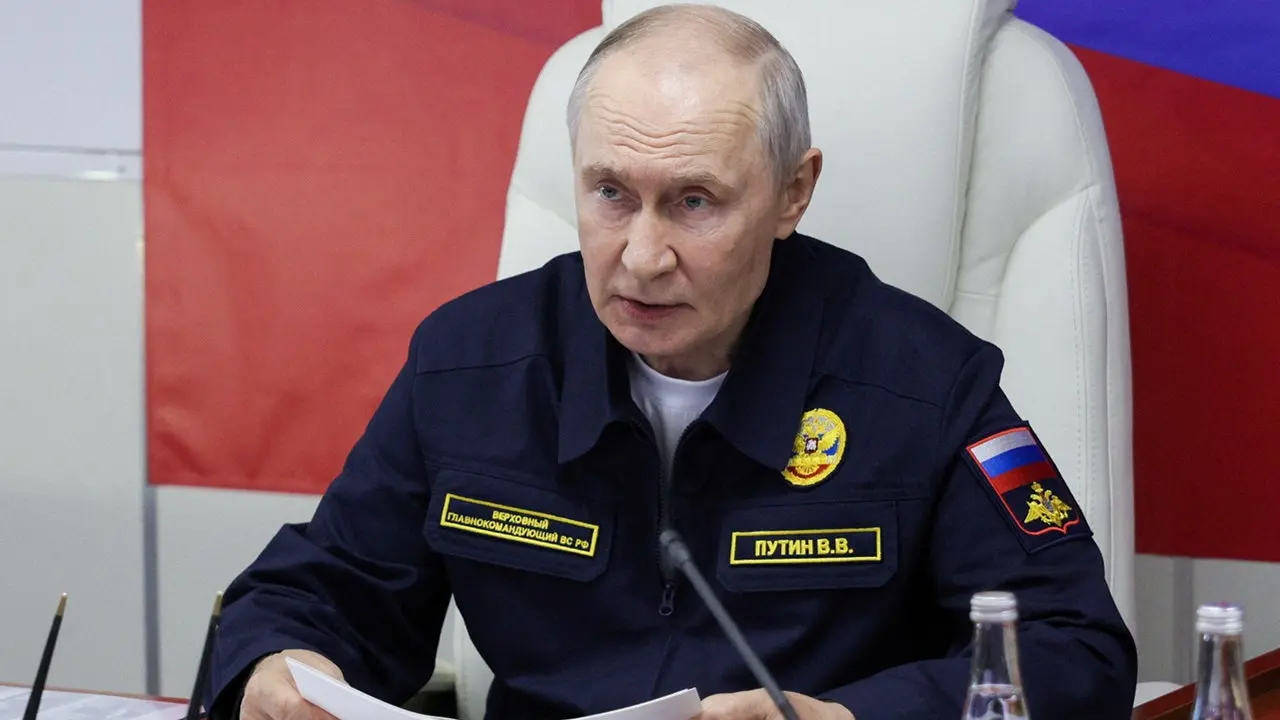
In the grand scheme, this foiled assassination serves as a potent reminder of the core values at stake. It exposes the hypocrisy of Putin’s denials of a sabotage campaign, standing in stark contrast to the overwhelming evidence of his regime’s aggression. For the average citizen, this can feel like a distant conflict, but it is a war that is slowly bleeding into our daily lives, testing the West’s resolve and unity. While our nation-states may debate military aid, this event proves that the fight is already here, on our streets and in our cities. The challenges are immense—how to respond to a ruthless enemy without escalating, how to protect our way of life without surrendering to fear. Yet, in the end, the West’s response must not be to live in suspicion but to stand firm in our commitment to freedom, individualized liberty, and the resilience of the human spirit. In the face of such tyranny, we can honor the bravery of the Polish and American agents and the courage of the targets by simply remembering that behind every headline is a human story of fear, courage, and an unyielding desire to live in a world where justice, not violence, prevails.