

A Terrifying Moment: Ground Crew Member Trapped in Air Canada Plane’s Cargo Hold
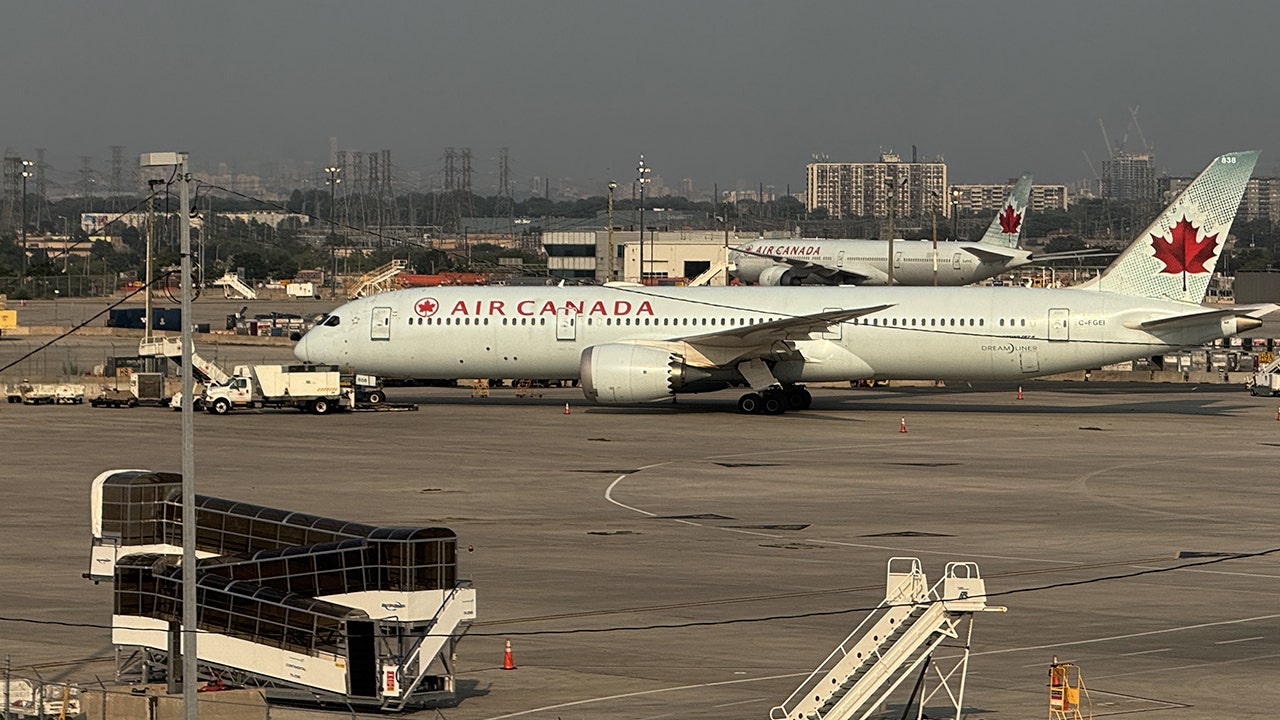
What began as a routine flight quickly turned into a nightmare scenario for passengers aboard Air Canada Flight 1502 at Toronto Pearson Airport last December. As the Airbus aircraft carrying 184 passengers taxied toward the runway, bound for Moncton, New Brunswick, an unsettling sound emerged from beneath the cabin floor. Muffled banging followed by desperate screams echoed through the rear of the aircraft, causing immediate alarm among passengers and crew alike. Flight attendants rushed down the aisles as the horrifying realization set in: someone was trapped in the cargo hold below. This unexpected and frightening incident would ultimately lead to the flight’s cancellation and leave passengers with a story they wouldn’t soon forget.
The terror of the moment was captured vividly by passenger Gabrielle Caron, who described the scene to CBC News: “Some of the people that were sitting towards the back of the plane heard the person screaming and banging, trying to get their attention.” The commotion quickly spread throughout the cabin as passengers became aware something was seriously wrong. “We could see the crew gathering around the plane, so we knew something was happening,” Caron explained. The pilot eventually announced over the intercom that a crew member was indeed trapped in the luggage hold, confirming passengers’ worst fears. One can only imagine the panic experienced by both those hearing the cries for help and the individual trapped in the dark, confined space beneath their feet as the aircraft moved toward takeoff.
According to officials, the ground crew member had become accidentally enclosed in the cargo compartment when doors “inadvertently closed” behind him while he was inside. Caron reported that the crew member had apparently been assisting ground staff by loading items as an extra pair of hands, likely explaining why his absence wasn’t immediately noticed during pre-flight checks. In the high-pressure environment of airport operations, with tight schedules and multiple tasks being performed simultaneously, such oversights can occur despite safety protocols designed to prevent them. The aircraft thankfully halted before reaching the runway, averting what could have been a potentially fatal situation had the plane taken off with the worker still trapped in the unpressurized and unheated cargo hold.
The resolution came when the aircraft returned to a safe position and the cargo hold was opened. In what must have been a profound relief to everyone involved, the trapped ground crew member emerged safely and entered the passenger cabin. According to Caron’s account, he reassured the visibly shaken passengers that he was unharmed despite his terrifying ordeal. Air Canada later confirmed to CBC that no injuries were reported in the incident, a fortunate outcome considering the potential dangers of being trapped in a cargo hold during flight. The psychological impact, however, was evident among the passengers who had listened helplessly to another human being’s desperate attempts to be heard through the floor of the aircraft they were sitting in.
Following the dramatic rescue, the aircraft returned to the terminal where passengers were asked to disembark while the flight crew completed necessary paperwork related to the incident. What had started as a standard journey had transformed into an unexpected ordeal for everyone involved. The passengers, who had been moments away from takeoff, now found themselves back at the departure gate facing uncertainty about their travel plans. After experiencing several delays as the airline assessed the situation and completed required documentation, Air Canada ultimately made the decision to cancel Flight 1502 altogether. Passengers would need to make alternative arrangements to reach their destination in Moncton, New Brunswick.
This incident joins a growing list of unusual aviation events that have made headlines in recent months. While relatively rare, such occurrences highlight the complex interplay of human factors and safety systems in air travel. Each incident provides valuable lessons for the industry about potential vulnerabilities in operating procedures. For Air Canada, this event likely triggered an internal review of ground crew protocols and communication procedures during the critical pre-departure phase. Though the airline didn’t provide detailed information about potential procedural changes following the incident, such events typically result in reinforced safety measures designed to prevent similar occurrences in the future. Most importantly, what could have ended in tragedy instead concluded with relief—a frightened but unharmed crew member, shaken but safe passengers, and a powerful reminder of the importance of thorough safety checks before any aircraft leaves the ground.