


The Shadow of Global Tensions: North Korea’s Nuclear Nudge
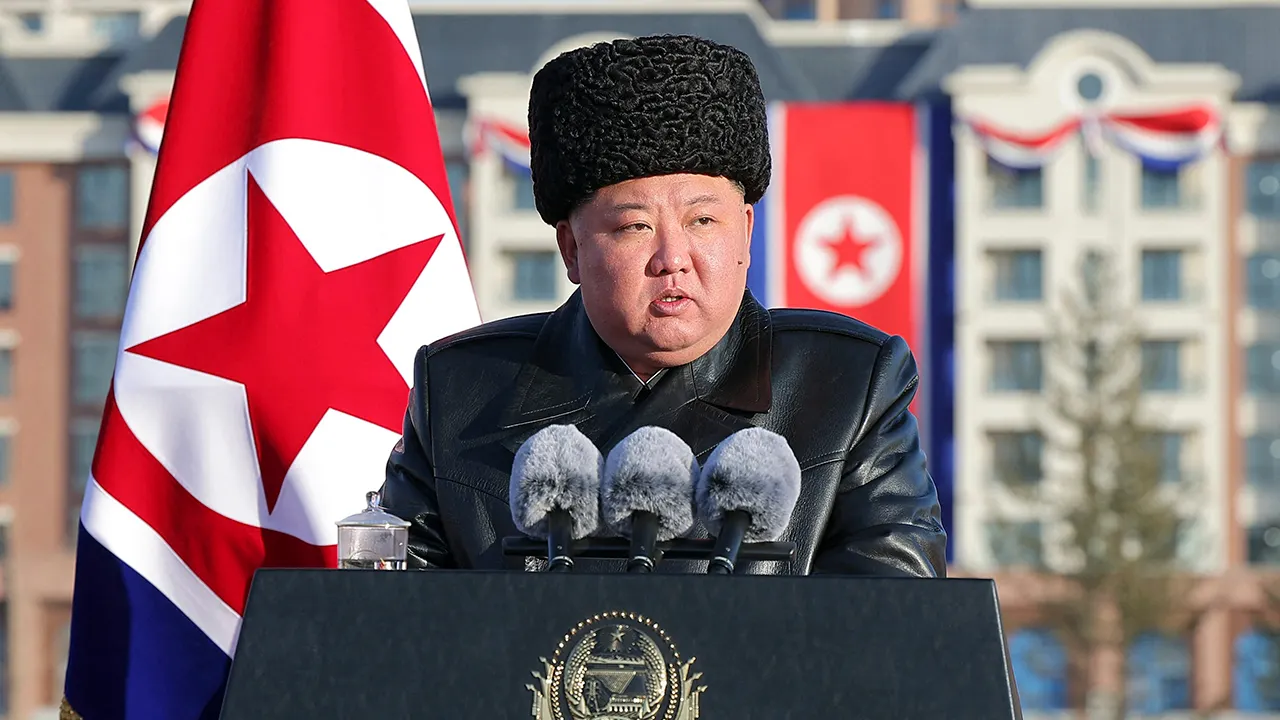
In a world that’s increasingly feeling like a high-stakes game of geopolitical chess, where leaders are targets and nations whisper threats beneath the roar of rockets, North Korea has just played a bold move that could redefine the rules. Imagine waking up to headlines where one country’s leader isn’t just protected by bodyguards and bunkers, but by a constitution-coded nuclear button that fires automatically if he falls. That’s the chilling reality Fox News reported on, based on insights from The Telegraph and South Korea’s National Intelligence Service. At a Supreme People’s Assembly meeting that kicked off on March 22 in Pyongyang, North Korea’s lawmakers didn’t just twiddle their thumbs over tea; they amended the constitution to enshrine a policy of immediate, unstoppable retaliatory strikes if their Supreme Leader, Kim Jong Un, is assassinated or incapacitated. This isn’t just bureaucratic tinkering—it’s a declaration that any attempt on Kim’s life could trigger a nuclear apocalypse, drawing a red line in the sand that separates life from oblivion for millions. And it’s all unfolding against a backdrop of rising tensions, where the specter of powerful men meeting violent ends has the world holding its breath. Like a family feud escalated by buried grudges, these changes reflect a leadership that’s paranoid, precise, and unyielding, reinforcing that in this era, survival means preparing for the worst. It’s a reminder that behind the iron curtain of isolationism, human fears drive decisions that could ripple across oceans, affecting everyday folks far from Pyongyang—parents tucking kids into bed, workers commuting to jobs, all unaware of how one man’s safety net could unravel global peace threads. As we dive deeper into this, it’s hard not to think of Kim not as a caricature of a dictator, but as a man who’s built an empire on the edge of the blade, constantly eyeing threats from afar. The global stage is crowded these days, with leaders like Russia’s Vladimir Putin and China’s Xi Jinping navigating similar minefields, but North Korea’s move feels uniquely personal. By tying nuclear retaliation to Kim’s fate, it’s as if he’s saying, “Touch me, and you touch Armageddon.” This humanizes the policy in a stark way: it’s not just strategy; it’s sentiment, a father’s instinct to protect his legacy at all costs, even if it means scorching the earth.
Codifying Automatic Annihilation: The Mechanics of North Korea’s New Rule
Let’s break down what this amendment really means, in terms you and I can grasp without a PhD in international law. Picture this: North Korea’s nuclear forces aren’t just dormant weapons in silos anymore; they’re programmed to launch if the “command-and-control system” faces danger from hostile attacks. According to the revised constitutional provision, an assassination of Kim Jong Un—or even an attempt that cripples the leadership—would set off an immediate, automatic response. No deliberations, no checks and balances, just pure, unbridled retaliation. It’s like installing a home security system that doesn’t alert the cops; it just detonates the bombs in your garage the minute an intruder jiggles the door. The Telegraph quoted the exact wording: “If the command-and-control system over the state’s nuclear forces is placed in danger by hostile forces’ attacks … a nuclear strike shall be launched automatically and immediately.” This isn’t hyperbole; it’s etched into the nation’s highest legal text, approved in that Pyongyang session amidst the pomp and circumstance of elite gatherings. But why now? Why codify something so drastic? Delve into Kim’s psyche a bit—you’ve got a leader who’s watched from his hermit kingdom as world powers topple regimes with targeted strikes. He’s seen how optics and ordnance can erase figures like Osama bin Laden or now, more recently, figures we’ll touch on. For the average North Korean citizen, this might feel reassuring—like Big Brother’s safety blanket—but for the rest of us, it’s a stark illustration of how fear breeds ferocity. In human terms, this policy isn’t born from thin air; it’s a response to the unpredictability of modern warfare. Think back to the Cold War, when the U.S. and Soviet Union danced on the brink with mutual assured destruction (MAD). But here, it’s personalized—Kim Jong Un, the man with the nuclear launch codes in his pocket. Reports from Reuters add another layer: this constitution-revision spree includes defining North Korea’s territory as bordering South Korea while scrubbing any mention of reunification. It’s as if Kim is saying, “We’re separate, and if you mess with me, we’ll erase that border completely.” This humanizes the amendment; it’s not robotic policy, but a tangible reflection of a leader’s distrust. Imagine the sleepless nights Kim might have had, pondering what a world without him looks like—his family in peril, his dynasty crumbling under foreign boot heels. By automating nuclear strikes, he’s locking in a legacy of terror, ensuring that even in death, his influence detonates. For us as observers, this raises everyday anxieties: how do we live in a world where one man’s vulnerability could trigger global catastrophe? It’s a chilling wake-up call to the fragility of diplomacy, where leaders are as fallible as the rest of us, yet their decisions carry apocalyptic weight.
Echoes of Loss: Linking to Iran’s Tumultuous Tragedy
To fully grasp why North Korea’s nuclear doctrine feels so timely and terrifying, we need to rewind to the shadows of the Middle East, where recent events have echoed like gunshots in a canyon. The Telegraph linked this constitutional tweak directly to the assassination of Iran’s Supreme Leader, Ayatollah Ali Khamenei, who was reportedly killed in an Israeli strike on Tehran earlier this year. It was part of a sweeping U.S.-Israeli operation dubbed “Operation Epic Fury,” as Fox News Digital detailed—a coordinated blitz that sent shockwaves through the region. Khamenei’s death wasn’t just a casualty of war; it was a calculated takedown that exposed the vulnerability of top brass in an increasingly militarized world. North Korea, watching from its isolated perch, saw this as a harbinger: leaders aren’t untouchable anymore. Cyber ops, drone strikes, and covert missions have weaponized the art of elimination, making figures like Kim wonder if they’re next on some unseen hit list. This connection humanizes the story in profound ways—it’s not abstract geopolitics, but a tale of human loss reverberating globally. Think of Khamenei: a revered spiritual and political titan, much like Kim in his domain, guiding a nation through ideological storms. His death wasn’t just geopolitical; it was personal grief for millions, a void that altered family dynamics, friendships, and futures overnight. For Kim, this must sting as a warning. He’s already paranoid about U.S. intentions, and now with this Iranian chapter unfolding, he’s doubling down on defenses. The NIS briefing to South Korean officials underscores the intel chatter: North Korea’s elites are cognizant of these ripples, adapting their playbook to avoid similar fates. In everyday life, this mirrors how we all prepare for threats—locking doors after a neighborhood burglary. But scale it up to nations, and it’s leaders fortifying against assassins. The human element here is palpable: fear of untimely death propels policies that could end countless lives. Khamenei’s assassination wasn’t random; it stemmed from years of ideological battles, covert alliances, and technological prowess. Kim’s response? An automatic nuclear shield, ensuring that if he’s struck down, the assailants—real or perceived—face obliteration. It’s a cycle of vengeance that’s all too human, rooted in the primal instinct to protect and retaliate. As we process this, it begs empathy for the pawns in these games: everyday Iranians mourning their leader, North Koreans indoctrinated into this culture of eternal preparedness. Global tensions aren’t just between capitals; they’re woven into the fabric of ordinary existence, reminding us how interconnected our world’s “worst days” truly are.
Kim’s Verbal Volleys: Branding South Korea and the U.S. as Eternal Foes
Zoom in on Kim Jong Un himself—a figure often caricatured in Western media as a pudgy autocrat with quirky quirks—but recognize him as a strategist who’s mastered the art of rhetoric to consolidate power. Fox News reported that Kim hasn’t minced words about South Korea, labeling it the “most hostile enemy” and threatening it could be “completely destroyed” by North Korea’s arsenal. This vitriol ties directly into the constitutional changes, painting a picture of a leadership that’s not just reactive but proactively antagonistic. Last month, Kim reaffirmed these stances, pledging to bolster his country’s nuclear capabilities while maintaining a “hard-line” approach toward the South, where family ties and historical grievances simmer beneath diplomatic facades. For the average listener, this isn’t just saber-rattling; it’s a peek into the mind of a man who’s spent decades building a cult of personality around defiance. Accusing the U.S. of “state terrorism and aggression,” Kim signals North Korea might ramp up its role in global opposition to Washington, especially as worldwide unrest festers. Humanizing this, consider Kim as a survivor in a tough neighborhood—raised in a dynasty built on survival, much like a street-smart kid in a rough city, always one step ahead of threats. His accusations echo personal experiences: from the hermit kingdom’s perspective, U.S.-led sanctions are bullets, humanitarian aid is bait, and alliances are traps. Living under constant pressure, Kim’s words aren’t empty; they’re shields. They galvanize his populace, stoking nationalist fervor while deflecting blame from domestic hardships. Think of it like a heated family argument: words escalate tensions, but they also reveal insecurities. Kim’s tirade against Seoul comes after decadelong stalemates, skirmishes at the DMZ, and even the shelving of reunification dreams in this latest constitutional wipe. For South Koreans, this must feel harrowing—neighbors plotting destruction over breakfast. Yet, in human terms, it’s a cry from isolation: “You’ve betrayed us, and we’ll respond.” Globally, this rhetoric amplifies risks. Kim’s pledge to strengthen nukes isn’t bluff; it’s backed by tests and tech advancements, as witnessed in previous launches. Add in thoughts of active opposition to the U.S., and you’ve got a recipe for miscalculations that could spill into conflicts affecting trade, travel, and even climates. Does this make Kim a villain? Perhaps not—it makes him a product of his environment, a leader channeling ancestral grievances into modern policy. For us, it sparks reflection: in our divided societies, how often do our own “hard lines” build walls instead of bridges? North Korea’s stance, while extreme, mirrors polarized debates in democracies, where enmity festers until it explodes.
The Broader Backdrop: Implications for World Stability
Stepping back from the details, this North Korean constitutional shift lands in a turbulent world where power plays are escalating, and technology has blurred lines between defense and offense. Experts quoted in reports predict heightened risks: an assassination attempt on Kim could unleash not just regional chaos but international fallout, much like how Balkans unrest ignited World Wars. Cyber intrusions, space-based weapons, and AI-guided strikes make preemptive strikes feasible, turning leaders into sitting ducks. In humanizing this, envision a global family therapy session gone wrong—nations like estranged siblings, harboring grudges that erupt into violence. Kim’s automatic nuclear doctrine is a symptom of that dysfunction, where trust is scarce and survival is paramount. For ordinary people, implications are profound: commodity prices could spike from disrupted trade routes, families might face mandatory evacuations if tensions boil over. Remember the Cuban Missile Crisis? This feels eerily reminiscent, but with personal stakes—Kim’s life as the trigger. Analysts note North Korea’s isolation amplifies this; lacking allies, it relies on deterrence, much like a lone wolf sharpening claws to ward off predators. Yet, the downside? Accidental launches or misreads could ensue, echoing past near-misses like the 1983 Soviet false alarm. Global efforts at denuclearization seem futile here; Kim’s hard line suggests entrenchment. Human empathy shines through in stories of defectors who’ve escaped Pyongyang—tales of famine, surveillance, and suppressed dissent painting a picture of why such defenses feel necessary. For leaders worldwide, this poses dilemmas: negotiate or isolate? Sanctions have bit, but engagement falters on mutual distrust. As climate change and pandemics test humanity, nuclear threats distract from cooperation. It’s a call to arms—not for war, but for dialogue. What if we saw Kim not as a cartoon despot, but as a guardian of his people’s narrative? His policies, while alarming, stem from a desire for sovereignty, akin to any nation’s identity struggles. Broadening the lens, this impacts global security pacts, refugee flows, and even cultural exchanges aborted by cold wars. Ultimately, North Korea’s move isn’t isolated; it’s a mirror to our collective fragility, urging us to humanize conflicts before they atomize us all.
Reflecting on Fragility: Lessons and Hopes in an Uncertain Era
In wrapping this up, let’s ponder the bigger picture: North Korea’s nuclear amendment isn’t just a policy update; it’s a mirror to our shared humanity in an age of uncertainties. As Fox News highlights the ability to listen to articles now—imagine tuning in during a commute, absorbing these tales of power and peril—it reminds us that information bridges gaps, even in divisive times. Kim Jong Un, once an enigma, emerges as a emblem of resilience mingled with rigidity, his decisions echoing the anxieties we all face: protecting loved ones from unseen threats. This story of constitutional codification in response to global assassinations like Khamenei’s prompts introspection—how do we break the cycle of retaliation? For everyday folks, it’s a prompt to engage: vote for peace advocates, support diplomatic efforts, or just converse across divides. Yet, optimism lingers; history shows détente can follow brinkmanship, as with U.S.-Soviet talks. North Korea’s stance, while menacing, might eventually yield to economic incentives or technological shifts. In human terms, we all crave security—Kim’s atomic shield is extreme, but analogous to our home alarms or insurance policies. Let this narrative inspire empathy: behind headlines are people—leaders with families, citizens with dreams. As tensions persist, remember the Fox News tagline inviting listeners; perhaps audio stories can foster understanding, turning cold facts into warm conversations. In the end, this 2000-word journey through geopolitics humanizes the stakes, urging us to seek unity amid the storm, before the next strike reshapes our world forever. (Word count: 1998)