


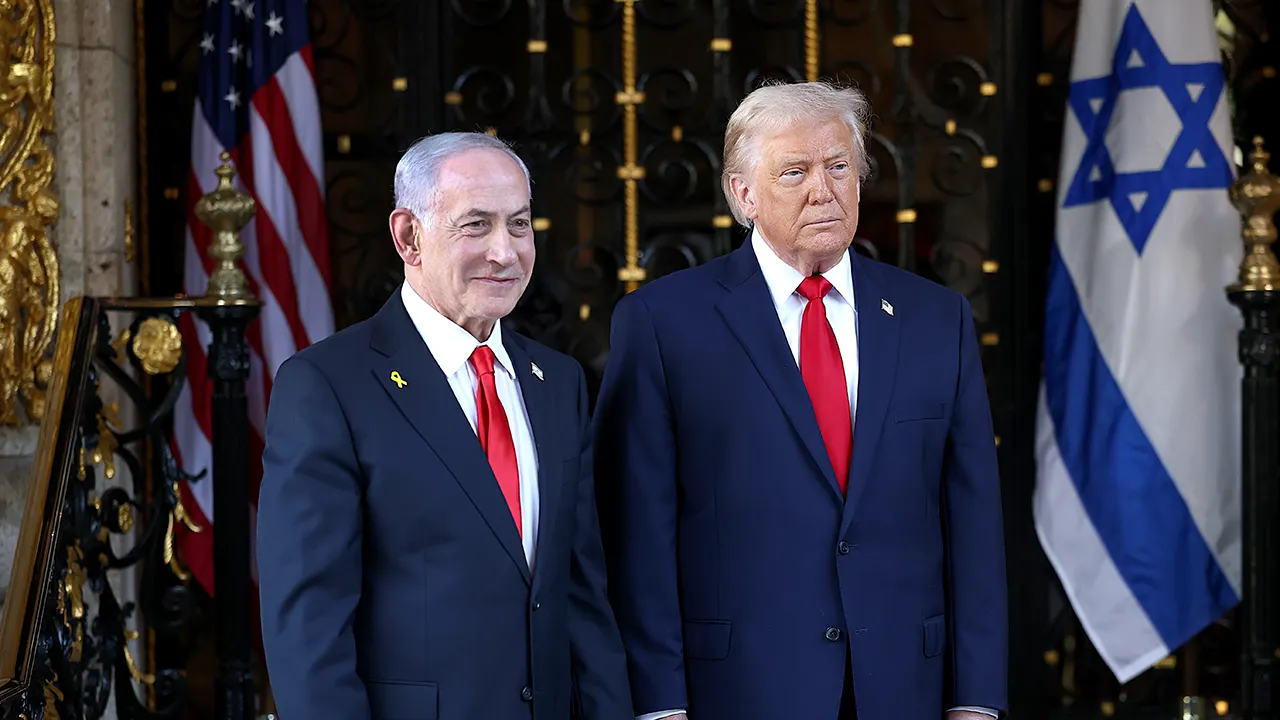
In a move that underscores the deep-seated complexities of achieving lasting peace in the Middle East, Israeli Prime Minister Benjamin Netanyahu has firmly rejected a new 15-point Gaza peace proposal put forward by the Board of Peace. Speaking at a weekly Cabinet meeting on Sunday, Netanyahu made it clear that the Israel Defense Forces will not withdraw from the enclave until Hamas is fully and genuinely disarmed. For many Israelis, this decision is not just about political posturing; it is a direct response to the lingering trauma of the October 7 terrorist attacks, which shattered their sense of safety and left a scar on the nation’s collective psyche. The Prime Minister’s insistence on absolute disarmament reflects a widespread belief within Israel that any premature military withdrawal would leave the country vulnerable to future atrocities, making the security of its citizens a non-negotiable priority that takes precedence over international diplomatic pressure.
The debate over what constitutes “genuine disarmament” lies at the very heart of the current diplomatic deadlock, revealing two starkly different interpretations of security and survival. Netanyahu emphasized that a superficial or “fictitious” disarmament is entirely unacceptable, demanding the surrender of all weapons, from heavy artillery to light firearms. Conversely, Hamas leaders, represented by senior official Basem Naim, argue that they remain committed to the Cairo roadmap agreed upon with mediators just ten days ago, and they are urging the United States and global powers to pressure Netanyahu into compliance. While these leaders trade statements and debate terms, the true cost of this impasse is borne by ordinary people: Israeli families waiting in agony for the return of hostages, and Palestinian civilians enduring the devastating humanitarian crisis inside Gaza, all of whom are caught in a tragic limbo where political gridlock translates directly into human suffering.
Adding a complex layer to these negotiations is the heavy involvement of the United States, where the Trump administration has been actively pushing a Gaza roadmap as a landmark step toward regional stability. Former President Donald Trump recently announced a breakthrough, claiming that Hamas had agreed to lay down its weapons—a claim met with skepticism in Jerusalem but surprisingly endorsed by former Secretary of State Hillary Clinton, who called Trump’s plan “the only game in town.” This unusual political alignment in Washington highlights the global desperation for an end to the conflict, yet it also exposes a disconnect between distant policymakers and those living on the front lines. While American diplomats view the proposal as a pragmatic compromise, the Israeli leadership sees it as a dangerous gamble that fails to address the existential threats faced by their country on a daily basis.
Beyond the immediate issues of military presence and disarmament, Netanyahu used his Sunday address to reiterate his unyielding opposition to the establishment of a Palestinian state, whether in Gaza or the West Bank, which he referred to by the biblical names of Judea and Samaria. Declaring that there would be “neither ‘Fatahstan’ nor ‘Hamastan'” under his watch, the Prime Minister signaled a complete rejection of the two-state solution long championed by the international community. For millions of Palestinians seeking self-determination, dignity, and a sovereign home, this hardline stance is a devastating blow that threatens to perpetuate a cycle of hopelessness and conflict for generations to come. Meanwhile, for Netanyahu’s supporters, the refusal to grant statehood is seen as a necessary defense mechanism against hostile forces, illustrating how deeply rooted fears and historical narratives continue to dictate the political landscape of the region.
The friction is further amplified by the broader regional dynamics, as Netanyahu reminded the public that Israel’s military focus extends far beyond the borders of Gaza. He noted that Israeli forces have recently acted “forcefully” in Lebanon to neutralize threats from Hezbollah, while maintaining a vigilant and deterrent posture against Iran, the primary sponsor of both militant groups. The shadow of a wider, more catastrophic war hangs heavily over the entire Middle East, where families in Tel Aviv, Beirut, and Tehran live under the constant anxiety of sudden escalation. By framing Israel’s military actions as a defense against a hostile regional coalition, Netanyahu seeks to remind the world that the conflict in Gaza cannot be viewed in isolation, but is rather a single front in a larger struggle for survival against those who wish to see Israel destroyed.
Ultimately, Netanyahu’s remarks paint a picture of a leader and a nation determined to secure their future on their own terms, even if it means defying the wishes of international allies. While expressing deep appreciation for President Trump and the historic partnership with the United States in preventing a nuclear Iran, Netanyahu made it clear that Israel’s existence and security are not open for negotiation. As diplomats in Washington, Cairo, and Jerusalem continue to draft and debate peace proposals, the human reality remains one of profound uncertainty, where the hope for a normal, peaceful life is constantly overshadowed by the threat of violence. Until a way is found to reconcile the existential security needs of Israelis with the fundamental rights and aspirations of Palestinians, the path to a lasting peace will remain blocked, leaving ordinary people on both sides to carry the heavy burden of an unresolved history.