


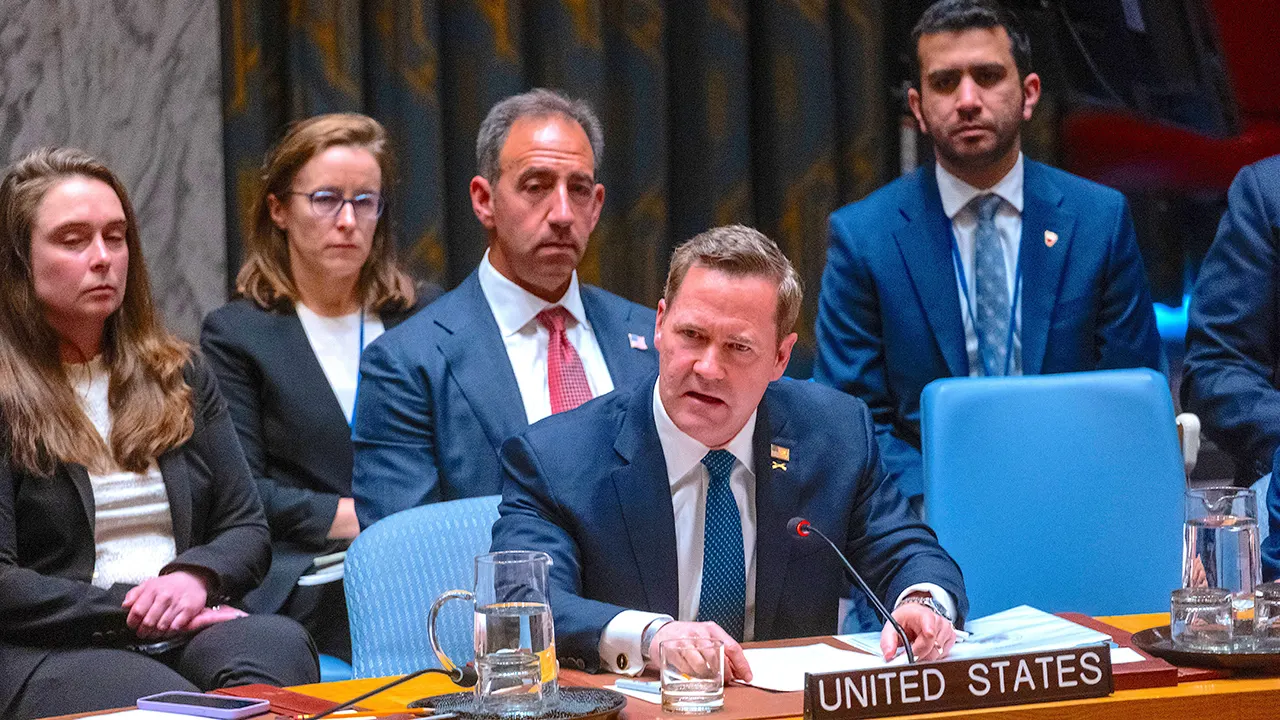
Stepping off the aircraft into the heavy, humid air of the Persian Gulf, U.S. Ambassador to the United Nations Mike Waltz immediately felt the palpable, electric tension of a region standing persistently on the knife-edge of localized conflict. This high-stakes diplomat-soldier’s voyage across Bahrain, the United Arab Emirates, and the United Kingdom was far from a routine exercise in clinical, bureaucratic hand-shaking; rather, it represented the single highest-level direct outreach by a top-tier American official since the current shadow war erupted into open, kinetic hostilities across the Middle East. Waltz traveled with a clear, uncompromising mandate straight from the Trump administration: to personally evaluate the real-world impact of the president’s aggressive economic blockade and to operationalize Treasury Secretary Scott Bessent’s hard-charging financial doctrine, famously monikered “Operation Economic Fury.” Sitting down in both opulent diplomatic quarters and heavily fortified command centers, Waltz discovered that local allies were not anxious about Washington’s heavy-handed tactics, but were instead deeply supportive of the maximum pressure campaign. These regional leaders expressed a profound, lived relief that the United States was finally re-imposing an unyielding financial squeeze, sharing detailed intelligence showing that the ruling regime in Tehran was beginning to feel an agonizing, unprecedented level of domestic pain. The sheer vulnerability of the region was brought into sharp focus when, shortly after Waltz departed the immediate theater, Iranian-linked forces launched yet another physical strike directly on Bahrain. This violent escalation only served to validate the shared belief among regional leaders that the Iranian regime interprets diplomatic flexibility as surrender, and that they only modify their destabilizing behavior when confronted with an immovable wall of physical defense and devastating economic penalties designed to dry up the funding of their proxy networks. This strategic cooperation is not merely about statecraft; it is about protecting the daily lives of millions of people who live under the shadow of constant threat.
At the heart of this confrontation lies a deeply human crisis of economic ruin that is currently threatening the survival of the Iranian regime and directly shaping its diplomatic calculations. According to detailed assessments verified on the ground by Waltz’s regional partners, the combined weight of international sanctions, military isolation, and the blockading of energy exports has pushed Iran’s financial system to the brink of absolute collapse. The national currency, the rial, has plummeted to historic lows, effectively wiping out the life savings of ordinary citizens, while foreign exchange reserves are drying up, inflation continues to climb at an unsustainable rate, and the government is actively struggling to pay basic salaries to civil servants, municipal police officers, and even the elite military units tasked with keeping the autocracy in power. It is this desperate, existential squeeze that has suddenly forced Tehran back to the negotiation table, with U.S. officials revealing an encouraging, fast-moving diplomatic breakthrough that places the probability of signing a historic new agreement at an estimated eighty-five percent. This looming agreement is not happening in a vacuum; it is the direct result of a highly synchronized diplomatic pressure cooker managed by a tight-knit American team featuring Secretary of State Marco Rubio, Steve Witkoff, Jared Kushner, and Bessent, who are systematically using Iran’s financial desperation as maximum leverage. For the average citizen in both America and the Middle East, these intense economic maneuverings carry far more than academic significance; they represent a delicate, high-wire alternative to a devastating total war, seeking to use targeted financial pressure to force a hostile state to permanently abandon its pursuit of nuclear weapons without firing a single shot. The human toll of this economic collapse is a tragic byproduct of the regime’s choices, as billions of dollars that could have been used to build hospitals, schools, and infrastructure are instead funneled into proxy militias and ballistic missile programs. By squeezing these illicit revenue streams, the allied coalition hopes to force a fundamental course correction that benefits both regional security and the long-suffering Iranian populace who yearn for normalcy.
Nowhere is the quiet resilience and strategic resolve of the Gulf more vividly represented than in the United Arab Emirates, a nation that has borne a disproportionate share of the physical scars of this conflict. During his intense, face-to-face meetings with Emirati President Sheikh Mohammed bin Zayed and the nation’s key foreign policy ministers, Waltz observed an extraordinary degree of unity between Washington and Abu Dhabi, characterizing their current alignment as having “zero daylight.” This solidarity is particularly profound given the immense physical toll the Emirates have quietly endured throughout this prolonged conflict; the country has been targeted by a relentless barrage of hostile missiles and explosive drones, absorbing more direct strikes than any of its regional neighbors. Yet, instead of buckling under the pressure or calling for appeasement, the Emiratis have demonstrated an inspiring willingness to accept short-term economic disruptions and physical danger, viewing these challenges as a necessary price to pay for the long-term, existential priority of permanently blocking Iran from acquiring a nuclear weapon. This enduring posture is deeply reinforced by the historic foundation of the Abraham Accords, which initiated a massive paradigm shift by fostering deep, collaborative security and economic ties between Arab nations and Israel. What was once viewed as an impossible geopolitical alignment has matured into a practical, deeply humanized partnership where shared intelligence, integrated defense networks, and collective economic regional planning are actively neutralizing a common threat, changing the psychological map of the Middle East from historic, bitter divisions to one of proactive, unified self-defense. Waltz remarked on how quickly the UAE has managed to repair damaged civil infrastructure and restore normal commercial operations after attacks, refusing to allow acts of terror to disrupt their vision of a modern, forward-looking society. This resilience is a powerful testament to the spirit of the Emirati people, who refuse to let fear dictate their nation’s foreign policy or compromise their sovereign alliances.
A short distance across the turquoise waters of the Persian Gulf lies Bahrain, a small island nation that carries an immense strategic weight as the crucial host of the United States Navy’s Fifth Fleet. To truly understand the daily human cost and logistical miracles of this conflict, one must look beyond diplomacy and walk the busy docks and high-tech command centers of Manama, where American sailors and Bahraini naval personnel work hand-in-glove around the clock. Their primary mission is to protect the Strait of Hormuz, a perilous maritime chokepoint through which approximately one-fifth of the world’s petroleum liquids pass daily, making it a critical artery for the global economy. Waltz’s visit to Bahrain highlighted a deeply human dimension of international statecraft, showing how U.S. and allied teams are working directly with global shipping conglomerates, local maritime port officials, international insurance syndicates, and civilian merchant mariners who risk their lives to keep global commerce moving. This collaborative network serves as a quiet, vital shield against Iran’s repeated, reckless attempts to mine international shipping routes and harass commercial vessels. By sitting down with these coordinators, Waltz gained an intimate, powerful appreciation for Bahrain’s quiet heroism, demonstrating how a small nation refuses to be intimidated by its massive, aggressive neighbor across the water, instead choosing to stand as a courageous guardian of global stability. The daily lives of these naval officers and commercial crews are defined by constant vigilance, knowing that a single sea mine or one rogue drone strike could trigger an ecological disaster or an economic shockwave felt by families across the globe. By fostering a culture of mutual trust and seamless data sharing between the military and the private shipping sector, the coalition has turned a dangerous maritime combat zone into a resilient corridor of persistent economic activity.
The deeply troubling human cost and sheer cruelty of Iran’s military strategies became starkly apparent to Waltz during his field visits to targeted infrastructure sites, revealing a calculated disregard for basic humanitarian norms. While inspecting a damaged petroleum facility, the Ambassador saw clear, physical evidence of a highly malicious double-tap strike strategy: Iranian forces had deliberately aimed their opening drone and missile salvoes directly at fire suppression systems and emergency response stations, timing subsequent strikes to occur just as civilian firefighters and medical personnel were arriving to save lives. This shocking tactic, explicitly designed to maximize human casualties and neutralize local safety networks, represents a dark departure from civilized standards of conflict, turning brave, local emergency responders into primary targets of state-sponsored violence. Despite the sickening nature of these tactics, the story on the ground is also one of incredible technological triumph and human bravery, as allied air defense personnel, utilizing integrated U.S. and Gulf defense cooperative systems, have achieved an astounding ninety-percent-plus intercept success rate against incoming threats. This extraordinary protective umbrella is not just a victory of advanced military engineering, but a testament to the seamless, split-second coordination between young American and Gulf service members sitting side-by-side in high-stress radar rooms, united by a profound, shared commitment to protect innocent civilian lives from impending destruction on the ground below. Waltz was deeply moved by the stories of these first responders who, despite knowing they were being targeted, refused to abandon their posts and continued to fight the blazes to protect their communities. This level of courage underscores the human heart of the allied effort, contrasting the cynical malice of the attackers with the selfless bravery of those defending their homelands, reaffirming the moral necessity of the blockade. It demonstrates that the battle against Iranian hegemony is not just a clash of geopolitical interests, but a fundamental defense of human dignity and the rules of civilized engagement.
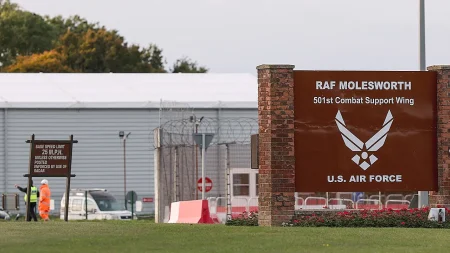
Ambassador Waltz concluded his high-stakes international mission in the historic, quiet diplomatic chambers of London, proving that the struggle to contain Iranian aggression requires a seamless bridge between the front lines of the Gulf and the halls of European power. In his intensive discussions with senior British officials, Waltz solidified a crucial trans-Atlantic partnership, reaffirming that the United Kingdom remains a stout, reliable ally at the United Nations Security Council in the collective effort to maintain Iran’s diplomatic and economic isolation. While acknowledging that there have been occasional logistical “hiccups” and operational “speed bumps” concerning military basing rights, regional access, and complex sovereign protocols, Waltz emphasized that these friction points were quickly and successfully smoothed over through open, honest dialogue and a shared dedication to international law. This diplomatic harmony ensures that when the United States exercises its immense economic and military leverage, it does so with the moral and legal backing of key global democracies, preventing Tehran from driving wedges between Western allies. Ultimately, Waltz’s journey across three distinct and vital theaters of action highlights a deeply human truth: that lasting peace is not a passive state but an active, exhausting pursuit requiring relentless pressure, unwavering personal alliances on the ground, and the enduring courage to stand firm against intimidation until a stable, peaceful future for the global community is finally secured. The success of this mission lies in its ability to translate abstract security concepts into human solidarity, reminding the world that behind every strategic blockade, military deployment, and high-level negotiation are real people striving to build a safer world. As the administration moves closer to a potential diplomatic breakthrough, the message from Waltz’s journey is clear: peace is achieved not through concession, but through the strength of unbroken alliances and the courage to confront aggression with absolute clarity.