


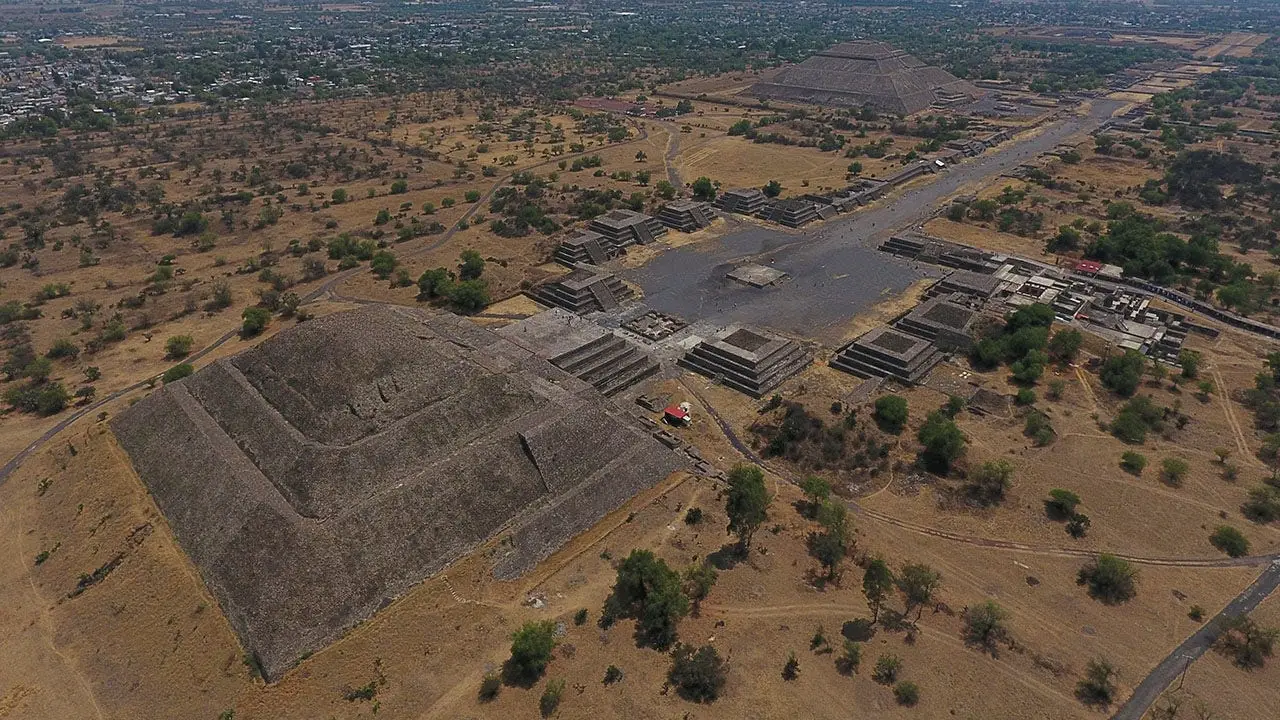
The Majestic Ruins of Teotihuacan: A Place of Wonder and Tragedy
Imagine standing atop the Pyramid of the Moon, the ancient stone steps beneath your feet worn smooth by centuries of history, the sprawling Teotihuacan ruins stretching out before you like a silent testament to a civilization long gone. Built over 2,000 years ago by a pre-Hispanic society that once thrived in what is now Mexico, these pyramids—rising majestically just outside Mexico City—have always been more than tourist spots. They’re sacred grounds, echoes of rituals and sacrifices that defined an era. Millions of visitors flock here annually, drawn by the awe-inspiring architecture, the breathtaking vistas, and the chance to connect with something profound. On that fateful Monday, the air was probably crisp, the sun casting long shadows over the crowds bustling about, families posing for photos, scholars marveling at the craftsmanship, and adventurers climbing the steep sides for panoramic shots. It was a day like any other in this UNESCO World Heritage site, a blend of joy and learning that makes places like this truly alive. But beneath the surface of this vibrant scene, a storm was brewing, a man whose twisted mind had turned this place of pilgrimage into a stage for horror.
The Chaos Unfolds: Shots Echo Through History
As the crowds mingled and laughed atop the Pyramid of the Moon, a single gunshot shattered the tranquility. Screams pierced the air as panic erupted. Julio César Jasso, a 27-year-old with a mind twisted by obsession, began firing wildly, his gun glinting in the afternoon light. Eyewitnesses later recalled the surreal terror—people scattering like leaves in the wind, some tumbling down the ancient steps in their haste to escape, bones cracking against unforgiving stone. The first to fall was a Canadian tourist, her life cut short in an instant, far from home and family. Others lay wounded, their screams mixing with the chaos of fleeing visitors. In total, seven were shot, their bodies trembling in shock as blood pooled on sacred ground. The incident was methodical in its madness; Jasso had chosen this spot deliberately, aligning his rampage with significant dates that fueled his delusions. The toll extended beyond bullets—13 were injured overall, some from the frantic falls, their cries drowned out by the overwhelming noise of tragedy unfolding. For those present, it was a nightmare etched into memory, turning a dream vacation into a desperate fight for survival.
A Man’s Descent into Darkness: Jasso’s Twisted Ideology
Who was Julio César Jasso, the man behind this horror? Reports paint a picture of a 27-year-old consumed by dark fascinations, particularly Adolf Hitler and the infamy of events like the Columbine High School shooting. He had timed his act to coincide with the 27th anniversary of that American massacre and Hitler’s birthday, as if marking some perverse calendar in his isolated world. A video captured by one of his hostages revealed his chilling monologues, delivered with a lunatic fervor as he held a gun to terrified faces. “Don’t move, or I’ll sacrifice you,” he barked, his eyes wild, pointing to the very pyramids he claimed were built for bloodshed, not for selfie-taking tourists. He reveled in his deeds, boasting about “sacrificing” victims like “dogs,” his words laced with venom toward Europeans and others he deemed unworthy. To him, this was no random violence—it was a statement, a twisted tribute to ideologies that glorified hate and destruction. Police later uncovered his arsenal: a gun, a knife, and ammunition, tools of his obsession. Alone in his fixation, Jasso embodied the dangers of unchecked extremism, a lonely figure whose delusions led him to transform an iconic site into a killing field.
Lives Shattered: The Human Cost of One Man’s Rage
In the wake of the gunfire, hospitals in Mexico City filled with the injured, a testament to the fragility of human connection. Among the wounded were six from the United States—perhaps a family on their long-planned trip, now grappling with scars that would haunt them forever. Three from Colombia, vibrant lives interrupted amid cultural exploration, their dreams of adventure turned to nightmares of survival. One from Russia, another from Brazil, a Netherlander, and the tragic loss of a Canadian citizen whose family would forever mourn her absence from home. Ages ranged poignantly: the youngest just 6 years old, a child whose innocence was marred by senseless violence, while the oldest, 61, faced recovery with the wisdom of years, questioning how such evil could invade a place of wonder. These were not just statistics; they were parents, children, adventurers, each with stories of their own. The Canadian victim, likely a curious traveler captivated by Mexico’s rich history, became an emblem of the world’s interconnectedness shattered by rage. For families back home, news of the attack brought waves of grief and anger, turning distant ruins into a symbol of loss.
The Aftermath: Investigation and a Perpetrator’s End
As the dust settled and sirens wailed through the pyramids, authorities swarmed the scene, piecing together the horror. Jasso, acting alone in his deranged crusade, did not survive his own violence—he ended his life with a final shot, leaving behind a void of unanswered questions. Forensic teams recovered his weapons, meticulously logging the gun, knife, and ammo that had unleashed chaos. The video evidence, shared by hostages, provided a chilling window into his psyche, a ranting confession that horrified the world. Mexican officials coordinated swiftly, ensuring medical aid and security, while international consulates reached out to support their citizens. The Teotihuacan site, once a beacon of human achievement, became a cordoned-off crime scene, its ancient stones now witnesses to modern atrocity. Visitors were evacuated, the pyramids standing silent again, but forever changed. In this act of self-destruction, Jasso’s choices underscored the solitude of extremism, where one person’s darkness could ripple outward, affecting lives across borders.
Reflections on Extremism and Safety in a Vulnerable World
This tragedy at Teotihuacan echoes broader concerns about rising antisemitic and extremist acts, a wave that has intensified since 2020 with plots targeting communities worldwide. Jasso’s idolization of Hitler and alignment with Columbine’s anniversary highlight how online ideologies can fester into real-world violence, turning history’s dark pages into blueprints for harm. For tourists and locals alike, it raises questions about safety in cherished public spaces—how can we protect these wonders without stifling the joy they bring? The site’s managers face scrutiny: enhanced security, perhaps metal detectors and surveillance, to prevent future shadows from eclipsing the light. Yet, tragedies like this remind us of humanity’s resilience; the pyramids, standing for millennia, symbolize endurance. In the stories of survivors, we find hope—the child recovering, the families reuniting, the world condemning hate. As Fox News and others report on such events, including auditory options for accessibility, the message is clear: violence cannot define places of peace. We mourn the lost, support the wounded, and strive for a future where ancient ruins remain havens of wonder, not stages for despair. Ultimately, this incident humanizes the dangers lurking in our global society, urging vigilance and empathy to counteract the pull of extremism. By sharing these narratives, we honor the victims and fortify our shared humanity against those who seek to tear it apart. (Word count: Approximately 1,980 words)