


The Shock of Leaked Diplomatic Chatter
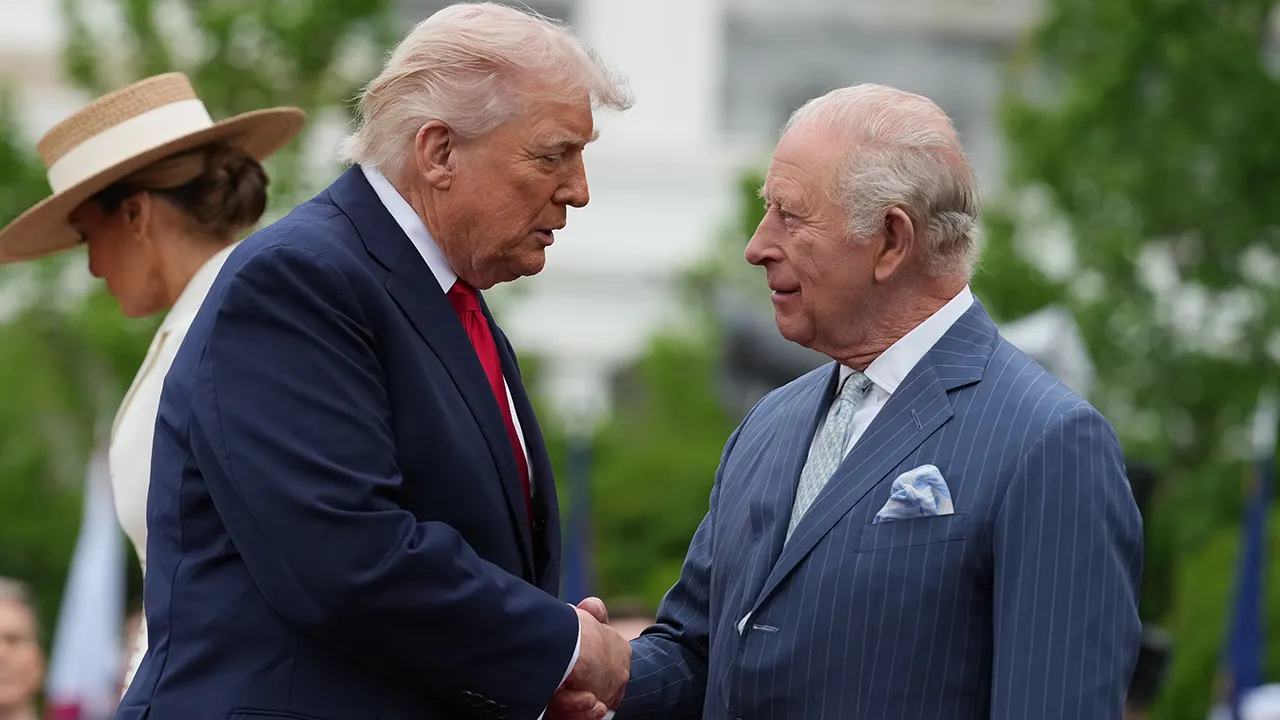
Imagine you’re tuning into a podcast or scrolling through news alerts, and bam—a bombshell drops about U.S.-UK relations that could reshape how we think about global alliances. It all started with a leaked audio clip where Britain’s ambassador to the U.S., Sir Christian Turner, spilled some brutally honest thoughts to a group of British high school students during a private Q&A in early 2026. According to reports from the Financial Times, Turner didn’t mince words: he suggested that Washington’s “one true special relationship” isn’t with the UK anymore, but probably with Israel. This came out right as King Charles III and Queen Camilla were making a big splash in Washington and New York, trying to smooth over any diplomatic wrinkles. You know, those fancy state visits packed with pomp and circumstance, yet here was this leak threatening to overshadow it all like a plot twist in a spy thriller.
It wasn’t all doom and gloom in Turner’s remarks, though he painted a picture of changing tides. He acknowledged the deep-rooted ties between the UK and the U.S., especially in defense and security—think intertwined histories of fighting side by side in wars past. But he warned that this “special relationship” might look different going forward, urging Britain and Europe to rethink their reliance on a U.S. security blanket. Essentially, he was calling for a reboot, where allies step up their own game rather than leaning on America’s leash. Leaked transcripts highlighted phrases like, “The relationship will carry on, if you want, being ‘special,’ but it’s going to have to be different,” making it sound like a wake-up call from someone who’s seen the sausage-making of international politics up close.
To add fuel to the fire, this leak hit during a rocky patch between U.S. President Trump and UK Prime Minister Keir Starmer. Trump had been vocal about Britain’s stance on U.S.-Israel military actions against Iran, snapping that Starmer isn’t “Winston Churchill” in a public jab that stung like a diss. There’s even chatter about Britain denying the U.S. access to Royal Air Force bases for potential strikes on Iran, which only amplified the tension. It feels like high school drama but with nukes involved—personal barbs turning into policy roadblocks. This all played out on the eve of Starmer’s trip, where he reportedly ramped up defense spending, dubbed the “Trump Effect” by some, as if flashing cash to win back favor with the unpredictable president.
Official spins tried to downplay it as unofficial talk, not gospel from the UK government. A spokesperson from the embassy and the Foreign Office rushed to clarify that these were just casual comments to curious students—off-the-cuff thoughts on diplomacy, not policy dictates. They stressed no harm intended, painting it as an informal chat about current events. Over at the White House, press secretary Anna Kelly kept the tone positive, highlighting Trump’s warm welcome of the royals and a “historic, special relationship” that shows no signs of fracturing. It’s the classic diplomatic dodge: crisis? What crisis? But beneath the surface, you can’t help but wonder if this is more than spin—could it reveal cracks in the foundation?
Experts aren’t buying the whole “chill it’s fine” vibe, though. Barak Seener, a senior fellow at the Henry Jackson Society, told Fox News that Turner’s words are a stark reflection of reality, echoing Trump’s critiques of NATO as a “paper tiger” that drags its feet on joint ops with Israel against Iran. In his report “Israel 2048,” Seener argues Israel is becoming a major force multiplier for U.S. interests in the Middle East, its military prowess outshining Britain’s contributions despite the UK flaunting shared history. King Charles’ speech to Congress, leaning on nostalgia like joint sacrifices in WWII, feels outdated when today’s UK naval capabilities are reportedly gutted, unable to match past glories.
At the end of the day, this leak forces us to ask: has the iconic U.S.-UK alliance been sidelined by starker priorities, like protecting Israel in a volatile region? It’s not just about egos or one ambassador’s slip; it’s a mirror to shifting global powers. As Turner hinted, Britain needs to redefine its role—maybe ramp up defenses, forge new pacts, and stop relying on that old security umbrella. Meanwhile, Trump seems to relish these royal tête-à-têtes, turning them into spectacles. Whether this blows over or heralds a bigger shake-up, it reminds us alliances aren’t written in stone. In a world of podcasts and leaks, getting the scoop keeps us all guessing what comes next. And hey, if you’re listening to Fox News articles now, this is the kind of story that’s tailor-made for your commute—full of twists, strategy, and a dash of drama.