


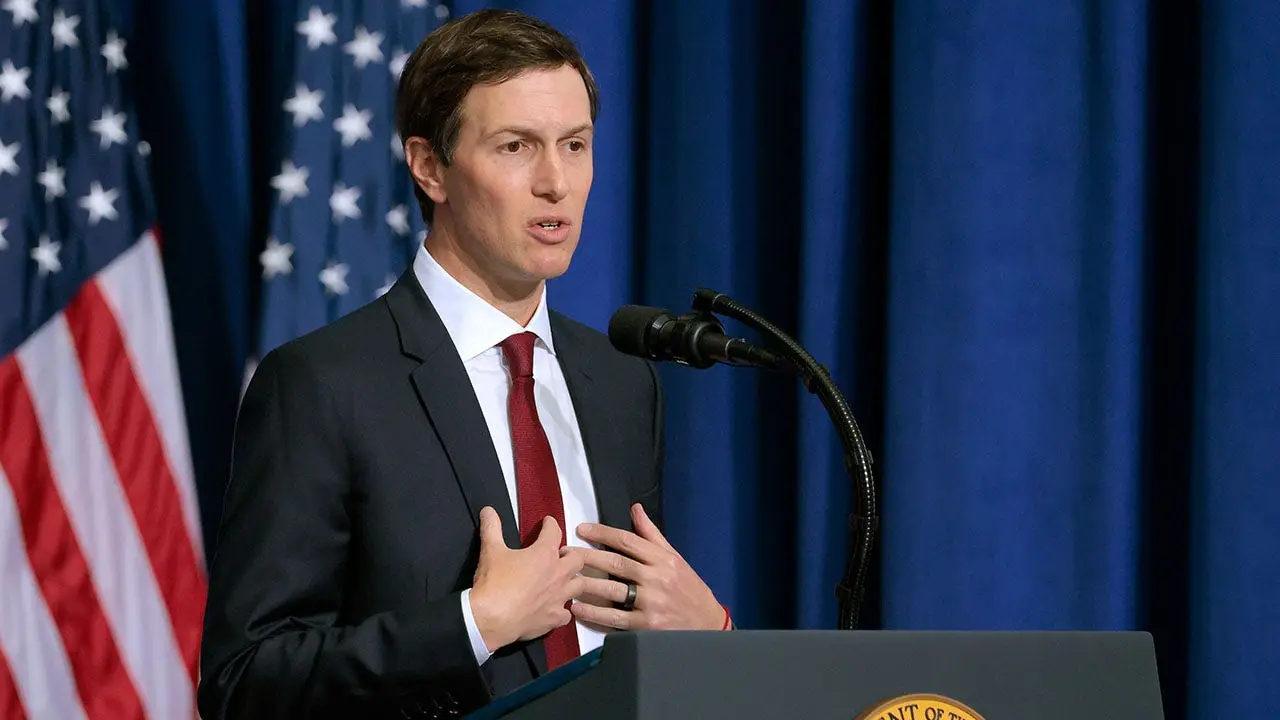
In the shifting, volatile landscape of Middle Eastern diplomacy, Jared Kushner, the U.S. special envoy and President Donald Trump’s son-in-law, delivered what can only be described as a decisive, categorical ultimatum to Hamas this past Monday. In a manner that left no room for ambiguity, Kushner served notice to the militant group that their window is shrinking. Speaking exclusively to Fox News chief foreign correspondent Trey Yingst, Kushner warned that if Hamas fails to live up to its commitment to disarm fully in Gaza, and if they renege on the promises made across months of quiet diplomacy, they will trigger a robust Israeli military operation designed to “finish the job” once and for all. The message was unmistakable: the world’s patience, and Washington’s patience, is not infinite. The directness of his language underscores a sharp break from the carefully calibrated, artfully vague diplomatic phrasing that usually accompanies such negotiations. In this instance, there is no hidden flexibility. There is only the choice between following through on the promise of disarmament or facing the devastating, unmitigated fallout of Israel’s fiercest, final push.
The warning came after a whirlwind 48 hours of highly sensitive shuttle diplomacy that whisked Kushner across the region, from cultural centers of Egypt to the political heart of Jerusalem and Tel Aviv. During this blitz, Kushner did the unthinkable and met face-to-face with Hamas representatives in Cairo, alongside the new, U.S.-backed National Committee that has been designated to manage Gaza’s governance. This meeting was only the second known, orchestrated meeting involving Kushner and the group. In these conversations, surrounded by silence and the weight of years of violence, the group asserted a commitment to the President’s grand, 20-point peace vision and a subsequent 15-point roadmap that has been under development for four months. The text on the table asks for disarmament, end of armed shadow, and demilitarization of the territory. Yet, as these pledges were made, one could sense the pervasive, chilling doubt hanging in the Cairo air. Kushner conceded as much, describing the words as positive, a significant concession, yet also admitting it is arduous, horrifically difficult, to afford any measure of trust to an organization that has planned, executed, and glorified devastating atrocities.
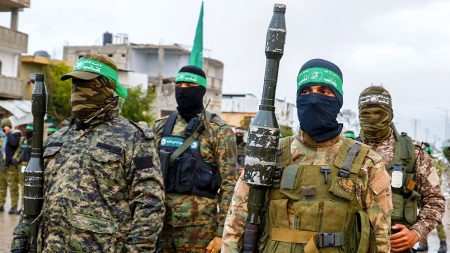
Delving deeper into context, this moment cannot be separated from the bloody echo of Oct. 7, 2023, a date that began this terrible chapter. The terrorist attack claimed the lives of almost 1,200 innocent civilians within southern Israel and dragged more than 240 innocent, frightened men women and children into the confines of Hamas captivity. That event, in a single morning’s horror, changed Israel’s security calculus, reestablished the intractable nature of the conflict, and triggered the chain reaction of a long war, the Weg. Now, some three years later, the psychological weight of that violence remains omnipresent; meanwhile, the physical reality is stark. Even after a ceasefire declared in October essentially grabbed a pause, Israel has carried out air strikes and seized more territory in Gaza, manifesting a posture-like inflection. In turn, Hamas does not creak; it refuses to disassemble its weapon are and maintain an arsenal. They maintain those armies of weapons. The fundamental clashing of wills persists. That’s what makes Kushner’s warning so immense: not as a mere diplomatic posturing, but as validating the stark truth that Israel’s military machine is latent.
Within the foreground of this strife, the “Board of Peace U.S.” proposal puts a structured, staged approach to a critical table. It imagines a facade of a phased ceasefire, demanded complete demilitarization of Gaza, gradual and secure Israeli troop withdrawals, of a neutral, technocratic Gaza govern, and an influx of international reconstruction dollars. Indeed, this is the most ambitious kind of hubris. Monday saw Kushner on a new shuttling between Jerusalem and Tel Aviv, meeting in detail with the stoic Benjamin Netanyahu. There they hashed out the enduring stubborn problem: how the phasing should be sequenced. Israel, with its survival instinct, demands complete demilitarization laid first, before the pulses of progress, before Israeli troop withdrawal, before the sparse Israeli defense posture is stripped away. Meanwhile, Hamas tokens that a disarmament must be a partnered, synchronized operation with these withdrawals, for they fear unilateral disarmament would be a fatal exposure. Netanyahu, with the political pressure heavy on him ahead of a critical election, is not looking to take decisive risky compromise with immobility in every agreement. He grants to cautious, partial steps to avoid public outcry.
Nevertheless, in the aftermath has been a four-hour session with Israeli officials, Kushner’s language unnaturaled to optimism, a quiet kind of relief; they spent a good deal of time walking, “through some of the unexpected duties that we have.” The indication is that some lost threaded halted misconceptions were corrected, and the walls begin to shift. Every future phase is tied and tethered; the official United States position remains frozen on a key edge. Rebuilding Gaza, providing aid, facilitating the expensive reconstruction—it will not be allowed to resume to be a foundation stone leveled before disarmament occurs. This stone evidently inherent to his plan. He emphasized the possibility of progress cloaked in a matter of mere weeks, perhaps thirty days seeing the agricultural begin to emerge and deweaponing wheels turn, followed by investments of the concrete, logic and action to fill tunnels, underground arteries, and movements that stretched vast underneath Gaza soil in 60 to 90 days. He calls this a “win-win situation” for Israel, for if Hamas complies, the removal of that security threat comes without a bullet, achieves an unthinkable military achievement through vacant offers, a commercial peaceful transition.
It is not only in a sterile paper of diplomacy that we find this story, but within the daily street lines of the very things Kushner took them by surprise. “Israel has a strong desire to live in peace,” he said. The war has torn at the fabric of Israeli society… A powerful “there is a lot of emotion in Israel and in the region.” That visceral weariness is evident. Yet, the permanent stumbling block: overcoming the trust deficit accumulated over decades. As he travels the region, Kushner pointed that people are worn, not by the throng of war and wish for a new prelude. The question that remains is who will be brave enough to take an initial step when a safety latch of doubt has been drawn so hard. Primed within this conflict, where could such leadership be brought to the pole of believable solution? He holds out high perspective for what President Trump can still accomplish, bringing a mantra: the President has brought miracles in the Middle East before, a negotiator who is not afraid to persist against the impossible. The undisputed analogy and marks. The cards are all points across the table, disarmament or default, and the clock’s tock becomes louder every day. The hope has been set, the forbidding message delivered, and now the ultimate Piedmont retreat of action and the warrior awaited by all directions in the months to come.