


A Nation Under Siege: The Harsh Realities of Iran’s Crackdown
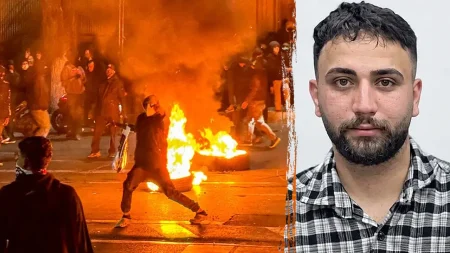
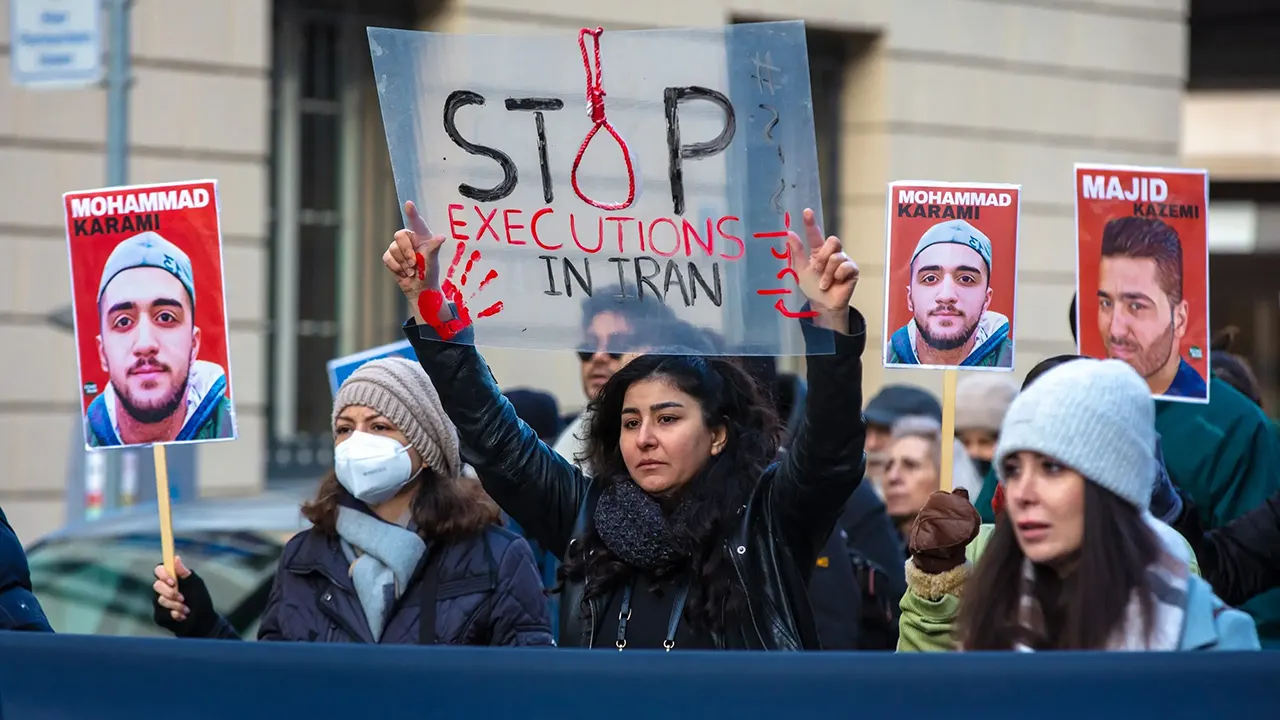
Imagine waking up in a country where voicing your dissent could mean the difference between life and death, where the simple act of gathering with family to mourn or protest spirals into a nightmare of arrests and dark cells. This is the grim reality for countless Iranians today, as vividly painted by U.N. High Commissioner for Human Rights Volker Türk in his stark Tuesday statement from Geneva. Türk didn’t mince words—he accused Iran’s regime of ramping up a brutal campaign against its own people following the February conflict, a period marked by executions, mass detentions on flimsy national security charges, systematic torture, and one of the longest internet blackouts on record. “I am appalled,” Türk declared, his voice carrying the weight of global outrage, “that the rights of the Iranian people continue to be stripped from them by the authorities, in harsh and brutal ways.” Since February 28, at least 21 individuals have met their ends via execution, over 4,000 have been swept up in arrests, and numbers suggest around 40,000 lives were extinguished during the January uprisings when regime forces unleashed lethal force. For everyday Iranians, this isn’t just news; it’s a chilling reminder of a government wielding power like a weapon, invoking “national security” to justify fast-tracked trials, denied lawyers, and confessions extracted under duress. Türk emphasized that even in the name of security, human rights can’t be trampled without necessity and proportion—yet in Iran, vague laws have become tools of suppression, leaving families shattered and futures uncertain. Picture a young parent arrested at a protest, their child left wondering why Daddy or Mommy never came home. Or a teacher silenced for criticizing the status quo, their colleagues whispering in fear. This human toll is immense, as dissidents turn to global leaders for solace, only to find the world’s gaze sometimes averted. Türk’s call for an immediate halt to executions and the release of arbitrarily detained souls echoes the cries of a people yearning for breath in a regime’s iron grip.
Diving deeper into the statistics, the U.N. report highlights a pattern of targeted violence that feels personal and relentless. Nine executions since the conflict’s start were tied to January’s protests, where unarmed citizens rose against oppression, only to be mowed down. Another 10 stemmed from alleged opposition group affiliations—think of activists deemed “enemies” simply for organizing online or in hushed gatherings, their lives erased in the name of preserving power. Two others faced the gallows on espionage accusations, a label that kunne easily be slapped on anyone questioning the regime’s narrative. These aren’t distant figures; they’re stories of real lives lost. Consider Sassan Azadvar Joonqani, a 21-year-old karate champion whose dreams of Olympic glory ended in execution after January’s protests—this young man, detained amid cries for freedom, was hanged as a warning to others. Just a month later, 19-year-old wrestling champ Saleh Mohammadi suffered the same fate for daring to challenge the establishment, his passion for sport twisted into a death sentence. These athletes weren’t just competitors; they were symbols of Iran’s youthful spirit, ambushed by a system that sees potential leaders as threats. The regime’s crackdown has intensified post-February, with arrests soaring on charges that stretch the definition of “security” to absurd lengths. Families endure the agony of not knowing—sons and daughters vanished into the night, only to resurface in televised confessions that many believe were coerced under torture or threat. Enforcement disappearances have become a terror tactic, families holding vigils by empty beds, praying for sign of life. Minorities like Bahá’ís, Zoroastrians, Kurds, and Baluch Iranians bear the brunt, their cultural identities flagged as insurgent, their communities decimated by arbitrary detentions. For an Iranian ex-pat reflecting on visits home, it’s heartbreaking: cousins arrested for sharing memes, childhood friends executed for whispers of rebellion. The U.N.’s Türk implores Tehran to end this cycle, imposing a moratorium on capital punishment and freeing those unjustly held, but the regime’s defiance looms large—what chance do ordinary voices have in a world where dissent invites death?
Inside Iran’s prisons, the darkness intensifies into a horror story that defies humanity, as Türk’s statement paints a vivid picture of administered brutality. Detainees aren’t just confined; they’re subjected to mock executions that echo with gunshots to break spirits, torture sessions that leave bodies broken and minds scarred, and televised “confessions” broadcast like macabre theater. Overcrowding turns cells into sardine cans, where hygiene is a luxury and infection spreads like wildfire. Imagine spending days without fresh water, meals reduced to scraps, medical care denied outright—even as illnesses rage, like the cardiac crises striking favorites of the world’s watch. Türk cited lethal violence in facilities such as Chabahar Prison, where at least five inmates were gunned down during protests over suspended food rations—a stark emblem of how hunger becomes a cause for slaughter. Ethnic and religious groups face accentuated perils, their faiths deemed subversive, their elders interrogated until they break. For one imprisoned dissident, the description rings painfully true: solitary confinement dragging on for months, interrogators wielding psychological warfare, families barred from visits. Prison doctors, often complicit or apathetic, fail to address emergencies, worsening conditions that some call premeditated murder. This neglect isn’t accidental; it’s a tool of control, designed to crush resistance before it even forms. Tales from survivors speak of comrades beaten for singing hymns or sharing stories of freedom, of women enduring degrading searches amidst screams. The mental toll cascades: paranoia sets in, hopes erode, and release, if it comes, leaves permanent shadows. Türk’s condemnation shines a light on these abysmal conditions, urging Tehran to overhaul its system—but for those inside, waiting is agony. One detainee’s letter to family might read, “Tell the world I didn’t die in vain,” a testament to the human endurance amid intentional dehumanization. In this web of abuse, prisoners aren’t numbers; they’re fathers, mothers, dreamers held hostage by a regime that views compassion as weakness.
Among the faces etched into this tragedy is Narges Mohammadi, the imprisoned Nobel Peace Prize laureate whose plight has become a beacon for Iran’s silent struggle. On Friday, her condition plummeted after months of denied specialized care, with her family describing a “catastrophic health crisis” that saw her lose consciousness twice in one day, wracked by severe heart issues. Rushed by ambulance from Zanjan Prison to a hospital—perhaps too late—Mohammadi’s emergency underscored the lethal neglect pervasive in detention. Her husband, Taghi Rahmani, speaking to Fox News Digital, painted a portrait of a woman whose spirit withstands even as her body falters. “She has sustained severe trauma and urgently requires medical attention,” he shared, recalling a violent arrest that has led to rapid deterioration. Despite heart surgeries in her past, authorities reportedly blocked transfers to Tehran hospitals until her plight was dire, a delay that endangered her life. Yet Rahmani emphasizes her resolve: “Spiritually and mentally, Narges remains steadfast.” For those outside Iran’s borders, this isn’t just a headline—it’s a reminder of the personal sacrifices made by activists like Mohammadi, who persist against the odds. Her story resonates as one of resilience: a mother, a scholar, a fighter refusing to bend under regime pressures, even as physical agony threatens to consume her. Family visits become lifelines, whispers of love carrying through glass partitions, but medical neglect poisons all attempts at hope. The Narges Foundation’s desperate plea amplifies the human element: here is a woman whose international accolades haven’t shielded her from beatings, isolations, and health crises designed to silence. If she falls, what of the countless others whose names remain unknown? Mohammadi’s case, highlighted by Türk, fuels global scrutiny on prison cruelties, drawing parallels to historical figures who changed the world from chains. Her husband’s voice breaks the silence: “She’s still fighting,” he says, embodying the unbreakable thread of Iranian resistance that weaves through darkness.
Dissidents and observers on the outside echo the despair, humanizing the U.N.’s report with intimate insights into Iranians’ lived fears. Banafsheh Zand, an Iranian-American journalist and Substack editor, called it “bad” in an interview with Fox News Digital—”They’re completely killing off the country.” For Zand, Türk’s words reflect a grim truth long felt by those ripped from home by oppressive tides. She’s witnessed relatives vanish into interrogations, heard tales of neighbors tortured for dissent, and tasted the bitterness of diaspora life, forever haunted by what could happen next. “They’re killing off the country,” she laments, a phrase laden with grief for a homeland losing its generation. Zand questions the U.N.’s resolve, pointing to perceived ineffectiveness despite strong condemnations. Why, she asks, should Iranians trust an organization that elevates Tehran to vice-chair on a nuclear nonproliferation committee even as bodies pile up? “The reason why Iranians just don’t trust, don’t like and don’t want to know from the U.N.,” Zand explains, is its failure “to rise to the occasion… holding their feet to the fire with the right amount of pressure.” For many, these statements feel performative, shallow against institutional backing of the regime. Zand’s raw emotion mirrors a collective heartache: ex-pats gathering virtually, sharing stories of lost loves and curtailed dreams, wondering if alliances will ever translate to action. It’s a human chorus of frustration—families reuniting only in memories, activists hiding identities to evade retaliation. Zand’s critique humanizes the global response, urging more than words, for without it, the cries of Iranian streets remain muffled. In her view, the U.N.’s “fine” declaration misses the mark when legitimacy shields oppressors. Sister, aunt, or friend—these dissidents are everyday warriors, their skepticism born from years of unheeded pleas.
Broader implications ripple outward, casting doubt on international accountability as Iran’s defiance stands firm. Türk’s unusually sharp rebuke has spotlighted not just violations but a regime’s escalation post-protests, yet critics like Zand argue that condemnations ring hollow without teeth—executions continue, arrests multiply, and Rule 35 classrooms imprison dissenters. Amid this, Iran’s elevation to U.N. roles feels like salt on wounds, a paradox where enforcers of chaos gain platforms. For global audiences, this humanizes the stakes: it’s not abstract geopolitics but fathers pleading for sons, women enduring solitary vigils. Türk’s appeal—for moratoriums and releases—carries hope, yet for Iranians, it’s a gamble on empathy that history has often betrayed. The conflict’s aftermath, with its blackouts stifling voices, reminds us of a populace cut off, whispering resistance through smuggled notes or foreign pleas. Minorities’ heightened vulnerabilities scream for attention, their cultures targeted as rogue elements. Mohammadi’s hospitalization amplifies the emergency, drawing family pleas into international discourse. Dissidents weigh hope against cynicism—is this the tipping point, or just another echo? Humanizing it means seeing beyond stats: a nation of poets, scientists, and dreamers suffocating under authoritarian weight, yearning for a world that acts, not just watches. As Zand pondered, “What are they gonna do about it?” the question lingers, a call to action for a humanity that must choose sides in this unfolding tragedy. In the end, Iran’s struggle isn’t isolated; it’s a mirror to global vigilance, urging us to humanize suffering lest it normalize.