


In a dramatic move that has reverberated deeply through the sprawling, politically charged streets of Miami, the United States government made a profound statement against the Cuban regime by arresting Adys Lastres Morera, a Cuban national who had quietly established a comfortable lifestyle in Florida. To the average onlooker, Morera was simply another resident navigating the lucrative world of Florida real estate, managing property assets under the warm American sun. However, beneath this facade of ordinary immigrant prosperity lay a direct pipeline to the highest echelons of Cuba’s authoritarian leadership. Morera is the older sister of the executive president of GAESA, the massive, military-run conglomerate that exerts a tight, suffocating grip on Cuba’s economy. Her presence in the United States, enjoying the very fruits of capitalist freedom, property rights, and safety that her family’s regime systematically denies to millions of Cubans, represents a painful irony that has long burned in the hearts of the Cuban exile community. For decades, victims of the Castro regime have watched in frustration as those connected to their oppressors find safe haven and financial success in the land of the free. This cycle of impunity was sharply interrupted when Immigration and Customs Enforcement (ICE) agents took Morera into custody following the direct intervention of Secretary of State Marco Rubio, who used his executive discretion to revoke her Lawful Permanent Resident status. Rubio’s decisive action serves as a stark reminder that the privileges of American residency are not guaranteed to those who comfort, support, or are structurally tied to repressive systems abroad. By pulling back the curtain on Morera’s quiet life in Florida, this arrest sends a clear and humanizing message to the diaspora: the pain of those who fled political persecution is recognized, and the American dream will no longer be exploited as a retirement haven for the elite enablers of communism.
To fully understand the gravity of Morera’s arrest, one must look closely at her sister, Ania Guillermina Lastres Morera, and the monstrous economic entity she controls. Earlier this month, Ania was heavily sanctioned by the United States for her prominent role as the executive president of GAESA (Grupo de Administración Empresarial S.A.). Far from a standard business venture, GAESA is a colossal, military-dominated cartel that owns nearly every profitable sector of the Cuban economy, including luxury international tourism, retail supermarkets, financial transaction services, and critical import-export operations. Since its inception, GAESA has functioned as an opaque parallel government, operating with zero democratic transparency and completely bypassing the national budget to directly enrich a tiny circle of Castro-era military elites. While the average Cuban citizen is forced to endure an agonizing daily battle for basic survival, GAESA operates as an economic giant, siphoning off billions of dollars from visiting tourists, foreign investors, and the financial remittances sent by hard-working exiles to their desperate families back home. Ania Lastres Morera sits at the absolute center of this financial spiderweb, orchestrating the complex movement of illicit funds to shield the regime’s interests from scrutiny. The deep connection between these two sisters highlights an insidious dynamic seen in many authoritarian systems around the globe: while one sibling manages the iron machinery of domestic extraction in Havana, the other was positioned in Florida to manage real estate assets, effectively diversifying and protecting the family’s wealth in the relative safety of a free-market democracy. This familial division of labor underscores how the ruling class in Cuba secures its own lavish future at the direct expense of its populace, utilizing global capitalistic networks to preserve their power and luxury while preaching the virtues of self-denial and revolutionary socialism to a starving nation. Through these intricate familial pathways, the regime successfully launders both its tarnished reputation and its stolen capital.
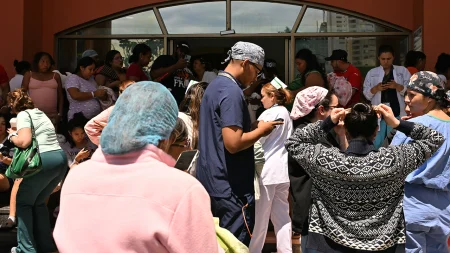
The human cost of this systemic economic plundering is written on the tired faces of everyday Cubans who are currently enduring some of the darkest, most agonizing days in their nation’s modern history. While GAESA is reportedly hoarding as much as $20 billion in highly secure, hidden overseas bank accounts to fund the extravagant lifestyles of the communist party’s ruling elite, the physical infrastructure of the island is literally collapsing into rubble. In vibrant historic cities and impoverished rural communities across the island, families are forced to survive through grueling, seemingly endless electrical blackouts that stretch for days on end, leaving young children to sleep in stifling, unbearable tropical heat and causing what little precious food people have salvaged to rot in powerless refrigerators. Local pharmacies are completely bare of medicine, forcing desperate mothers to beg on social media for basic antibiotics, aspirin, or fuel to transport their sick children to hospital clinics that often lack even clean running water or bedsheets. Crucial resources like milk, bread, and cooking oil are severely rationed, turning daily life into an exhausting, demoralizing cycle of standing in interminable, hot midday lines just to secure a single meal’s worth of nourishment. The stark, undeniable division between the horrific hardships of ordinary citizens and the immense luxury enjoyed by GAESA’s untouchable leadership is a profound humanitarian tragedy. The billions of dollars stashed away by Ania Lastres Morera and her associates are intentionally and systematically frozen away from the critical needs of the Cuban people. Instead of investing these extensive funds to repair the failing electrical grid or stock empty clinics, the military junta prioritizes building high-rise luxury tourist resorts, proving that the regime’s primary goal is to line its own pockets while leaving its citizens to starve in the dark.
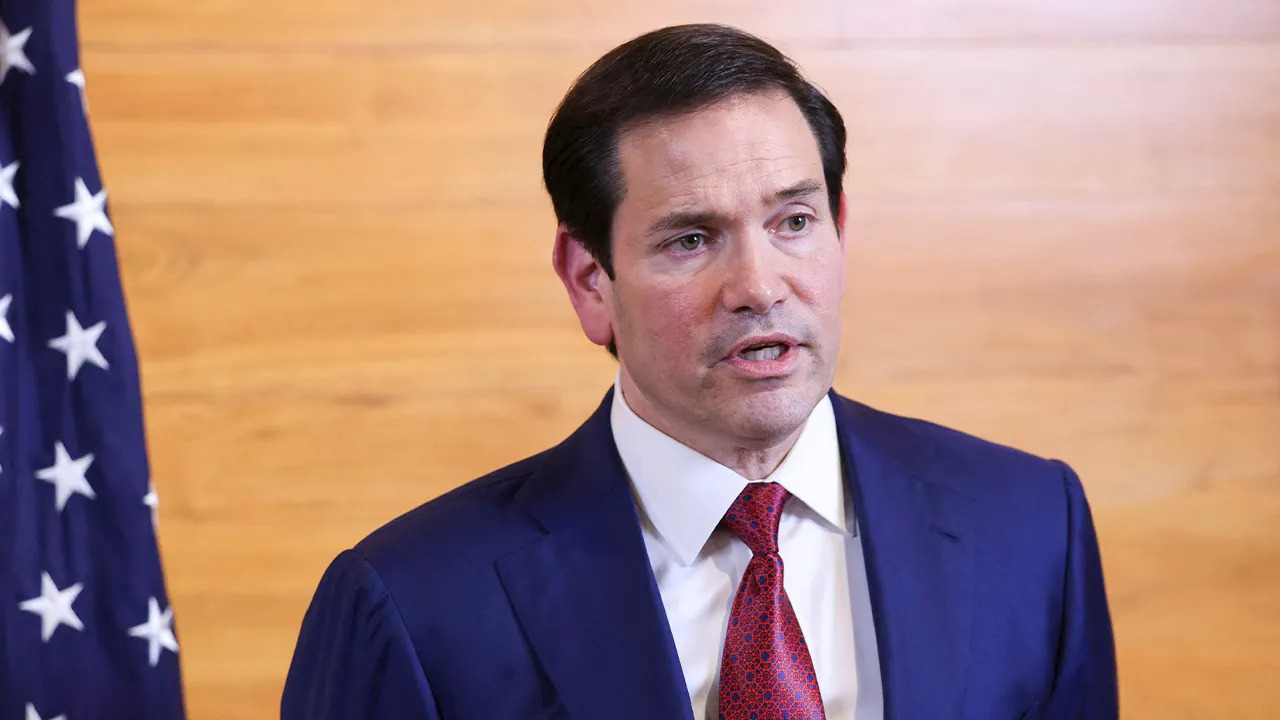
The decisive intervention by Secretary of State Marco Rubio to personally terminate Adys Lastres Morera’s legal residency status represents a significant, highly symbolic shift in how the United States handles the close relatives and financial enablers of oppressive foreign regimes. Rubio, a proud son of Cuban exiles who has dedicated much of his extensive political career to championing the cause of human rights and democracy on the island, recognized that allowing the direct family members of high-ranking military despots to live, work, and build property wealth in Florida is a profound insult to the millions of victims who have suffered under the Cuban communist party’s shadow. By utilizing his discretionary executive authority to strip Morera of her coveted green card, Rubio sent a clear and unmistakable signal directly to Havana’s ruling class: the era of absolute impunity and double standards, where regime elites can violently suppress their own citizens while quietly sending their loved ones to enjoy the safety, freedom, and prosperity of America, is officially coming to an end. This decisive action reflects a broader, far more aggressive foreign policy strategy designed to systematically dismantle the financial and social networks of foreign autocrats by actively isolating the specific individuals who biologically or financially support them. For decades, repressive governments across Latin America and beyond have utilized family members as convenient financial proxies, sending them to democratic nations to acquire prime real estate, establish overseas bank accounts, and integrate seamlessly into Western financial systems. By striking directly at these vital familial lifelines, the United States is effectively closing the cozy geopolitical harbors that these corrupt regimes rely on to park their stolen billions. Rubio’s strategic mandate demonstrates a deep, empathetic understanding of the human struggle, emphasizing that foreign diplomacy is not merely about cold, abstract economic sanctions, but about upholding the moral integrity of free nations.
Perhaps one of the most heartbreaking and insidious aspects of GAESA’s corporate operations, as highlighted by leading humanitarian organizations and international watchdogs, is its deliberate, calculated diversion of international aid meant to alleviate the profound misery of the Cuban people. At a time when foreign governments, non-governmental relief agencies, and compassionate global citizens send millions of dollars in medical supplies, emergency food packages, and essential lifestyle resources to the island, GAESA acts as a predatory financial gatekeeper, intercepting these precious shipments to serve the political and military survival of the regime. Instead of distributing these life-saving goods to the cold, dark homes of starving families who need them most, the ruthless military-run conglomerate routinely intercepts, controls, and repurposes these items to fund their own loyal state security forces and police departments. This systematic exploitation of global goodwill leaves ordinary Cubans trapped in an incredibly cruel paradox, where the very aid sent by the outside world to rescue them is actively weaponized by their rulers to further finance their domestic oppression. Furthermore, the immense profits generated from these diverted foreign resources are routinely channeled into underwriting Havana’s broader, highly aggressive campaign of regional espionage, intelligence operations, and political subversion aimed at destabilizing democratic governments across the Western Hemisphere. The communist regime acts as an ideological disruptor, using GAESA’s massive offshore cash reserves to fund surveillance networks, train foreign militants, and bolster allied dictatorships in places like Venezuela and Nicaragua. Consequently, this confrontation exposes the hypocrisy of a system that starves its own citizens while funding rebellion abroad. By shutting down Morera’s comfortable real estate operations in Florida, the U.S. government is taking a critical step toward cutting off the external economic engines that fuel this regional subversion, standing up for both regional security and the basic human rights of the Cuban citizenry.
Ultimately, the high-profile arrest of Adys Lastres Morera and the systematic exposure of GAESA’s dark economic empire represent a historic watershed moment for the Cuban diaspora and the long, painful struggle for a transition to democracy on the island. For over six decades, the resilient Cuban-American community has carried the heavy, generational burden of exile, constantly speaking out against the deep quiet injustices that occur when the wealthy relatives of regime oppressors find safe, luxurious refuge in the free society they actively seek to undermine from afar. This decisive enforcement action provides a powerful, emotional sense of justice and validation to those who have fought tirelessly to expose the deep hypocrisy of the Cuban dictatorship, proving that the silent cries of the oppressed are finally being translated into real, systemic action in the halls of American power. However, the path to true, lasting liberation for the Cuban nation will require far more than isolated arrests; it demands a relentless, coordinated international effort to completely dismantle the corrupt financial pipelines that keep the military junta entrenched in power. As the Cuban people on the island continue to demonstrate breathtaking courage by taking to the streets in peaceful protest despite the severe threat of violent crackdowns and political imprisonment, the rest of the democratic world must follow the United States’ bold lead by refusing to remain complicit in GAESA’s manipulative economic designs. By stripping away the foreign avenues, secret offshore banking accounts, and comfortable international hiding places of the ruling class, the global community can help starve the regime of its illicit resources, finally giving the Cuban people the opportunity to reclaim their country, their dignity, and their future. This step marks a crucial advance toward absolute freedom.