


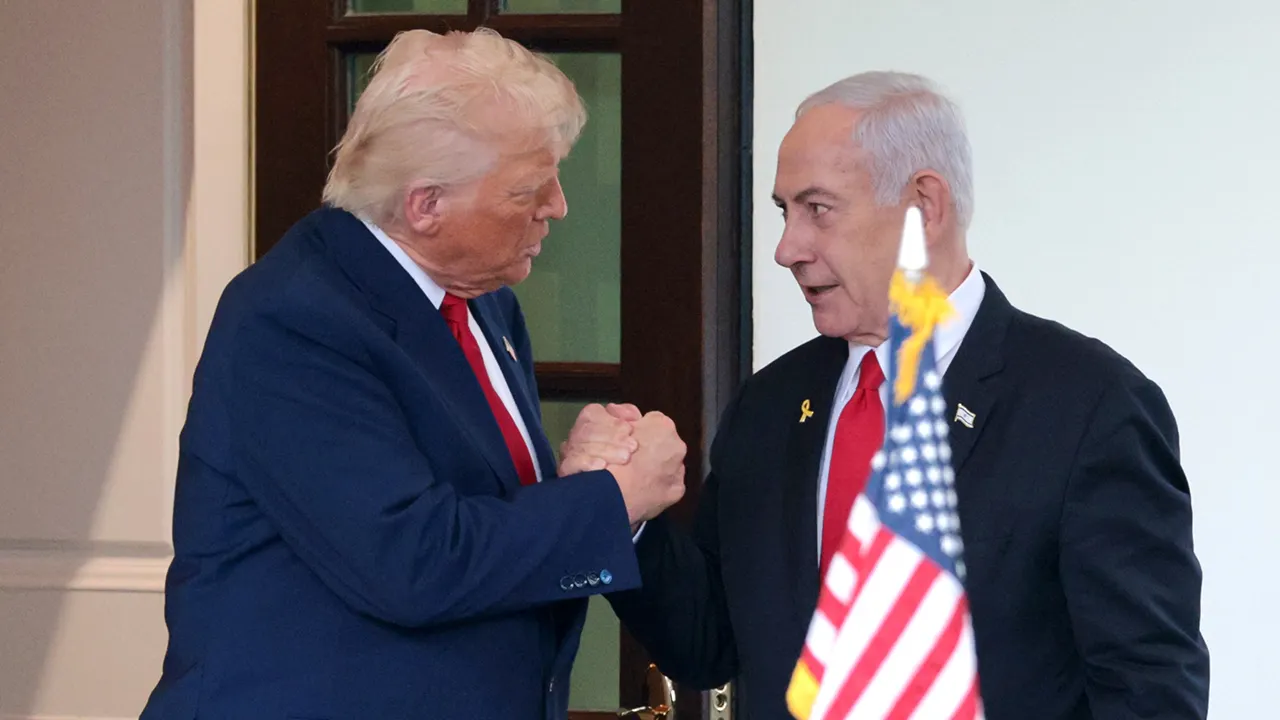
In the high-stakes theater of modern global diplomacy, things are rarely as simple as they appear on the surface. Recently, the international community watched with growing anxiety as a flurry of intense media leaks and reports of tense, friction-filled phone calls suggested a dramatic breakdown in the relationship between United States President Donald Trump and Israeli Prime Minister Benjamin Netanyahu. To outside observers, it seemed as though the historically ironclad alliance between Washington and Jerusalem was fracturing under the immense weight of how to handle a hostile and increasingly dangerous Iran. However, according to Kobi Michael, a leading defense expert and senior researcher at the Institute for National Security Studies and the Misgav Institute, this public display of diplomatic distance was not a sign of weakness, but rather a highly synchronized, calculated piece of geopolitical theater designed to keep their adversaries in Tehran completely off balance and guessing their next move.
The narrative of a growing rift first gained serious traction following a series of highly detailed and alarming reports. Most notably, Axios detailed a volatile phone call between the two leaders, during which Netanyahu reportedly reacted with extreme frustration to a revised American diplomatic proposal sent to Iran through Pakistani channels, preferring instead a swift military campaign to degrade Tehran’s vital infrastructure. The sheer intensity of their disagreement was captured by a United States source who vividly described Netanyahu’s temperament during the exchange as having his “hair on fire.” Adding fuel to the building fire, subsequent weekend reports suggested that Israeli leadership was being systematically shut out of critical U.S.-Iran negotiations, paintnig a picture of a marginalized Israel whose pre-war dreams of a joint coalition to topple the Iranian state had collapsed into diplomatic isolation. For a public watching these developments unfold, it felt as though a dangerous wedge was being driven between two of the world’s most critical security partners.
Yet, this apparent discord may have been a brilliant exercise in strategic deception. Kobi Michael suggests that both Trump and Netanyahu, far from being at war with one another, deliberately allowed—and perhaps even encouraged—the narrative of a diplomatic crisis to proliferate. By projecting a dynamic where Donald Trump appeared as the patient, peace-seeking diplomat willing to give negotiations one final chance, and Netanyahu as the hawkish leader eager for military engagement, they created a powerful “good cop, bad cop” routine on the world stage. This clever manipulation of media leaks served to lull the Iranian leadership into a false sense of security, making them believe they had successfully sowed discord between their Western adversaries. In reality, this manufactured friction ensures that if and when a decisive military action does occur, the regime in Tehran will be caught completely flat-footed, utterly surprised by the timing and the unified nature of the assault.
The grand illusion of a falling out reached its planned conclusion over a weekend filled with intense, quiet synchronization, culminating in a public display of absolute solidarity. Breaking his silence on the matter, Prime Minister Netanyahu took to the social media platform X to release a statement that shattered the rumors of a diplomatic divorce. He warmly reaffirmed that the partnership between the United States and Israel had been forged and proven on the battlefield, declaring it to be stronger than it had ever been. Furthermore, Netanyahu made it explicitly clear that his personal defense policy and that of President Trump remained completely identical and unshakeable on one paramount issue: under no circumstances would Iran ever be permitted to acquire nuclear weapons. This swift, coordinate pivot served as the ultimate closure to the rumors, reassuring an anxious Israeli public that their nation’s vital security interests were, in fact, fully aligned with Washington.
Behind the closed doors of this public resolution lay a series of concrete diplomatic assurances that went far beyond mere public relations. During their crucial weekend phone call, President Trump reportedly offered explicit reassurances to Netanyahu, promising that any final diplomatic agreement brokered with Iran would require the total and absolute dismantlement of Tehran’s nuclear development program. Furthermore, the White House reaffirmed its unwavering support for Israel’s fundamental right to defend its citizens against hostile threats on all active fronts, specifically highlighting the growing dangers along the Lebanese border. The United States also ensured that Israeli officials were kept fully in the loop regarding ongoing negotiations to establish a memorandum of understanding aimed at reopening the economically vital Strait of Hormuz, demonstrating that Israel was never sidelined, but was instead a central, co-authoring partner in the broader American regional strategy.
Despite this reassuring display of unity, a healthy dose of human skepticism and practical caution still lingers within the defense circles of Jerusalem. Many Israeli officials and analysts remain anxious about whether the fundamental differences between Washington’s diplomatic hopes and Tehran’s regional ambitions can truly be bridged, or if the U.S. might ultimately accept concession-heavy terms that put Israel at risk. This lingering doubt highlights the heavy emotional and strategic burden carried by those tasked with national survival, reminding us that statecraft is a complex, exhausting dance of public posturing and private resolve. In an era where information is weaponized and perceptions are actively manufactured, the saga of the Trump-Netanyahu relationship serves as a vivid reminder that in the realm of high-stakes international security, what looks like a fracturing alliance is often the quiet, synchronized building of a united front preparing for the storm ahead.