


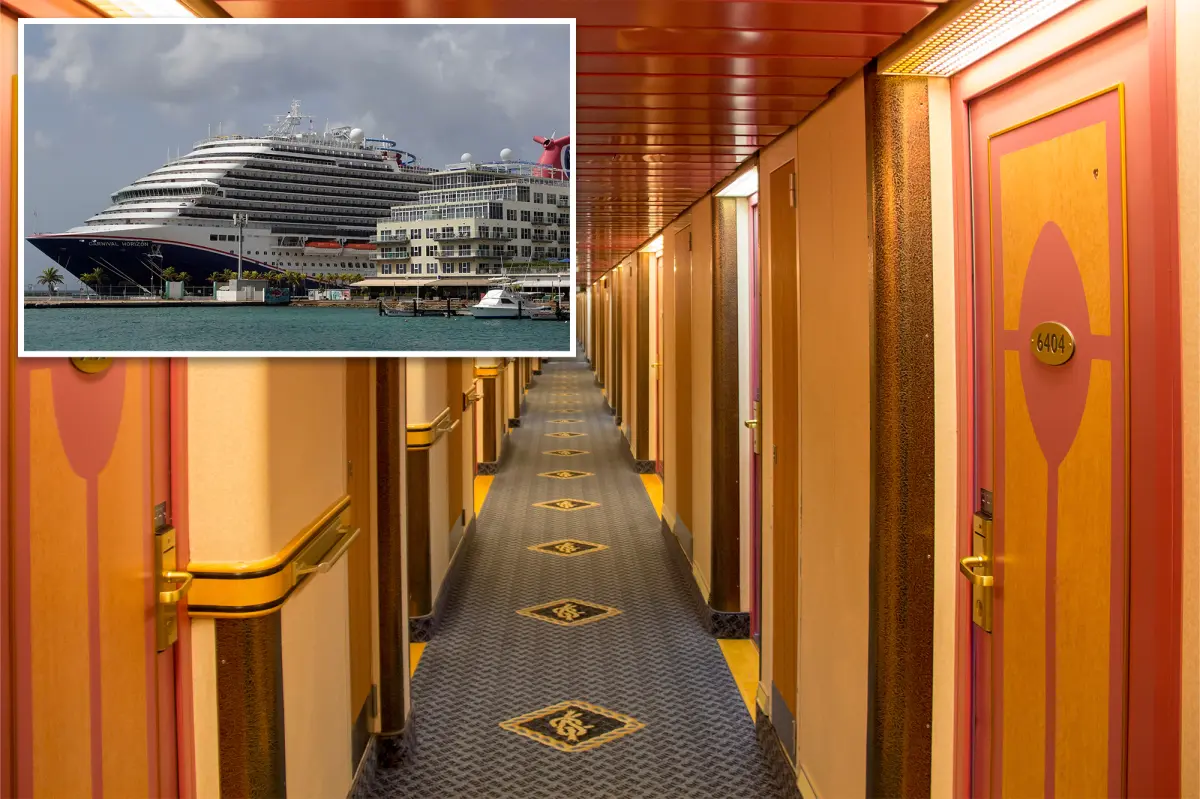
For decades, the standard-issue metal doors of cruise ship staterooms have served as blank canvases for a deeply beloved, uniquely communal maritime tradition that brings a touch of human warmth to the high seas. What begins as a simple vacation planning process soon transforms into a vibrant, creative gallery of human connection, as passengers from all walks of life adorn their cabin doors with personalized cardstock signs, colorful magnetic banners, and whimsical ornaments that celebrate golden wedding anniversaries, hard-earned retirements, landmark birthdays, and joyful family reunions. To slowly walk down the endless, quiet corridors of a modern mega-liner is to read a physical, highly visual scrapbook of the diverse souls sharing the voyage; you might pass a door celebrating a couple’s fifty years of marriage, immediately adjacent to an energetic display announcing a festive girls’ getaway, followed by a door covered in bright cartoon magnets specifically designed to keep young children entertained during the trip. Beyond its undeniable visual charm and the warmth it injects into an otherwise sterile, industrialized environment, this practice serves a vital, highly practical purpose for weary travelers trying to find their footing aboard. Cruise ship hallways are notoriously labyrinthine, defined by infinite, bewildering stretches of identical cream-colored walls, patterned carpets, and uniform cabin numbers that can leave even the most directionally savvy travelers disoriented after a long day of cruise activities. A personalized door decoration acts as a welcoming beacon, a cheerful visual anchor that successfully guides passengers back to their temporary homes after a tiring day of shore excursions in a foreign port or a lively night of onboard theater and dancing. For groups traveling together, these creative displays foster a comforting sense of place, offering a way to stitch friendship and family into the very metal fabric of a massive, drifting city. It is a custom built on joy, self-expression, and a simple desire to make a grand, impersonal ocean vessel feel intimately like home.
However, the warm nostalgia of this long-standing maritime custom has recently collided head-on with the cold, unyielding realities of strict maritime safety regulations and corporate property management, igniting an intense, highly polarized debate across the global cruise-going community. The quiet, long-brewing tension bubbling beneath the surface finally erupted into a full-scale controversy when passengers sailing aboard Royal Caribbean International’s massive and luxurious Symphony of the Seas received an unexpected official notice delivered directly to their cabins. The letter, which quickly went viral online, explicitly outlined revised guidelines prohibiting passengers from placing any decorative materials anywhere on the interior surfaces of the ship, including the corridor walls and the stateroom doors themselves. This stark and direct announcement, which was quickly acquired and reported on by major cruise news outlets like Cruise Hive, sent shockwaves through a passionate community of repeat travelers who have built entire vacation rituals around preparing, laminating, and packing their custom magnetic door packages months in advance of their sail dates. For many, this strict enforcement felt less like a minor administrative safety update and more like a direct, disheartening strike against the very spirit of camaraderie, fun, and personal expression that defines the modern family cruising experience. Cruising has always been marketed as a vacation of ultimate freedom and personalized joy, and to have a small slice of that personal touch stripped away caused instant friction. Dedicated cruiser forums and discussion boards, which are normally cheerful spaces reserved for sharing travel tips and destination recommendations, transformed into digital battlegrounds where thousands of passengers argued passionately about the boundaries between personal expression and corporate authority on a shared physical vessel, wondering if this was the quiet end to a cherished era of cabin customization.
Online platforms like Reddit and Facebook have become archives of this collective anxiety, filled with extensive threads where both first-time cruisers and seasoned mariners analyze the altering landscape of modern shipboard life. In one particularly viral discussion entitled “Door decorations, yea or nay?”, a user captured the heart of the dilemma by expressing their profound worry about being the only person to decorate their doorway, or worse, having their expensive, hand-crafted, or sentimental decorations targeted and stolen by passing guests over the course of the voyage. The hundreds of responses to this post highlighted the deeply practical ways these decorations rescue passengers from the dizzying, copy-paste symmetry of the ship’s interior architecture. One traveler shared a humorous but incredibly practical anecdote, explaining how a vibrantly decorated door was the only thing that successfully guided six friends, who had spent the evening fully utilizing their unlimited beverage packages, back to their correct cabin doors in the pitch-black silence of the middle of the night. Others echoed this exact sentiment, describing how young children, elderly family members, or those struggling with cognitive or physical challenges rely heavily on these distinct visual landmarks to navigate an environment where every single hallway looks exactly like the last. Despite these undeniable practical benefits, the fear of non-conformity, theft, or malicious vandalism hangs heavy over these modern cruise discussions. Cruisers swap frustrating stories of painstakingly designed, laminated family signs disappearing on the second night of a cruise, leaving children heartbroken and parents angry. This digital dialogue paints a vivid picture of a travel community caught in a delicate, difficult balance, desperately wanting to hold onto a sense of playful identity and close neighborly safety while grappling with the escalating stakes of traveling on ultra-modern, heavily managed super-ships.
To truly understand the cruise lines’ pivot toward stricter policy enforcement, one must look far beyond simple aesthetics or corporate control and delve deep into the complex, life-saving science of maritime engineering and fire safety. Modern cruise ships are absolute marvels of human architecture, but they are also closed, self-sustaining systems operating in isolated, remote ocean environments where fire is, and always has been, the single greatest threat to human life. Every single bulkhead, corridor ceiling, and cabin door is meticulously engineered, constructed, and certified with strict fire-resistance ratings designed to contain, slow, and ultimately extinguish smoke and flames during an onboard emergency. When passengers cover these heavy steel doors with paper signs, plastic streamers, synthetic banners, and flammable adhesives, they unwittingly introduce highly dangerous fuel sources directly to the critical path of egress, creating potential fire loads in corridors that must remain absolutely clear, uncontaminated, and safe for emergency escape. This critical safety hazard explains why Carnival Cruise Line, among others, has established incredibly strict parameters on its official travel platforms, explicitly mandating that any door decorations used must be fabricated exclusively from certified fire-retardant materials, while absolutely prohibiting high-risk electrical accessories like plug-in or battery-operated string lights of any kind. These policies are not arbitrary measures designed by corporate spoilsports to ruin vacation cheer; they are highly calculated safety protocols born directly from historical maritime tragedies, where containment was the difference between survival and disaster. A door covered in dry paper, heavy cardboard, or cheap polymer plastic can easily ignite from a minor corridor malfunction, instantly compromising the door’s fire-rating and allowing toxic smoke to spill into narrow escape routes, transforming a minor electrical failure into a catastrophic, life-threatening emergency at sea.
In addition to the paramount concerns of life safety, cruise operators are fighting an uphill battle against the severe physical degradation of their multimillion-dollar assets caused by well-meaning but highly destructive decoration methods used by passengers. While some passengers use harmless, low-power magnets on the metal door surfaces, a significant portion of travelers resort to industrial-grade adhesives, heavy-duty duct tape, superglues, and gel-based command strips to ensure their signs survive the constant vibrations and air drafts of a moving vessel. This practice has resulted in extensive, costly damage to the specialized wood veneers, high-gloss lacquers, and powder-coated protective paint finishes of stateroom doors. Disney Cruise Line, renowned for its highly thematic family experiences, has been forced to explicitly warn passengers against using any form of tape, gel adhesives, or sticky compounds on stateroom surfaces, pointing out that these heavy chemical glues strip the door’s protective coatings. When a voyage ends, hardworking crew members are left with the daunting task of scraping away stubborn, baked-on glue residue or preparing damaged surfaces for unplanned repainting, all within the tiny, incredibly pressured hours of a ship’s turnaround day. The cumulative financial cost of restoring hundreds of blistered, peeled, and scratched doors across a global fleet is staggering, diverting critical resources that could be used to improve other guest amenities. Furthermore, the physical labor required to remediate this damage places an unfair, exhausting burden on a ship’s housekeeping and maintenance staff, who are already stretched to their absolute physical limits preparing the vessel for the next wave of thousands of eager passengers arriving just hours after the last group departs, turning a simple turnaround day into a high-stress race against the clock.
The final dimension of this complex controversy is an unfortunate social reality: the notable rise in thefts, senseless vandalism, and interpersonal disputes directly linked to door decorations. The long corridors of cruise ships are high-traffic, highly public spaces where thousands of guests, occasionally fueled by alcohol and vacation uninhibitedness, walk past these displays day and night. Standard, high-quality, or deeply sentimental customized magnets have increasingly become tempting targets for malicious pranksters, drunk travelers, or light-fingered souvenir hunters, leading to disputes, heated online rants, and complaints that security staff must then spend time defusing. This social friction and potential for negative guest experiences is precisely what Royal Caribbean sought to manage when they explicitly stated in their notice that any decoration displayed outside a stateroom door is done strictly at the passenger’s own risk, effectively shifting the burden of security and loss entirely onto the guest. Ultimately, the future of this cherished, whimsical cruising tradition hinges on a collective commitment to empathy, mindfulness, safety, and mutual respect among all passengers. Rather than a total, heavy-handed ban that strips the ocean-going community of its unique color, joy, and warmth, the path forward must be paved with sensible compromise. Passengers must take it upon themselves to familiarize themselves with each cruise line’s specific guidelines, choosing to invest in fire-rated materials, lightweight, low-damage magnets, and simple, non-offensive designs that cause no harm to the vessel’s surfaces or crew workload. By honoring the thin, critical line between personal joy and collective safety, vacationers can actively preserve this magical, unifying ritual of maritime hospitality, ensuring that the hallways of the world’s great ocean liners remain as safe, secure, and structurally sound as they are welcoming for generations of future travelers to come.