


Paragraph 1: The Shocking Wake-Up Call at the Edge of Conflict
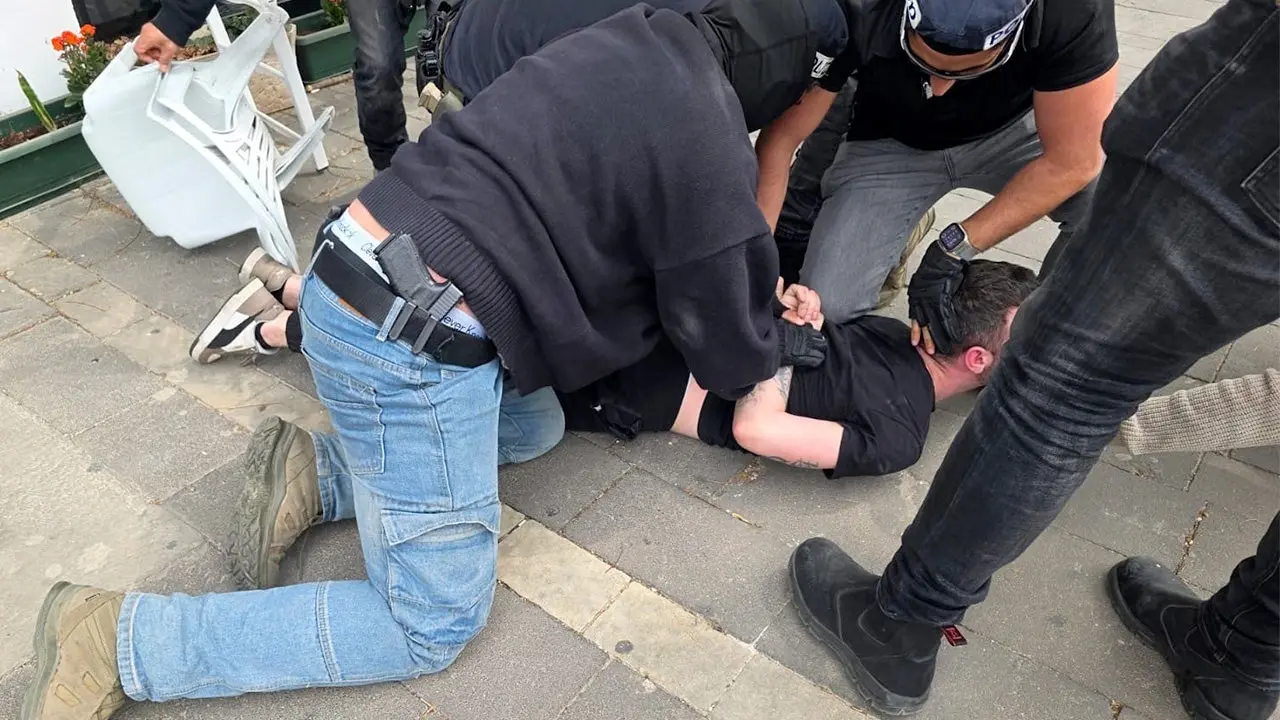
In the tense shadow of the Middle East’s ongoing rivalries, the arrest of two Israeli air force personnel on charges of espionage strikes a deeply personal chord. Picture a young soldier, sworn to defend his nation, grappling with secret temptations that lead to a betrayal that could shatter lives. This incident isn’t isolated; it’s part of a troubling pattern where Iran is weaving its influence into Israel’s very fabric by tempting those within the military ranks. Over the past year and a half, Israeli police and the Shin Bet have uncovered over 20 separate networks, implicating an estimated 40 to 50 suspects—ordinary people whose stories reveal vulnerabilities like loneliness, financial desperation, or ideological disillusionment. Most are now behind bars, but authorities whisper that others still lurk, undetected, perhaps seduced by promises of quick riches or ideological salvation. These aren’t faceless spies in a spy thriller; they’re fathers, sons, and reservists whose choices ripple through families, eroding trust at a time when Israel faces existential threats from afar. The human cost is profound: lives uprooted, careers destroyed, and a nation grappling with the realization that its defenses may be as fragile as the human heart. As one investigator puts it, Tehran doesn’t just want information; it craves the raw intelligence to plot attacks that could end innocents’ lives. This isn’t just geopolitics—it’s a battle for the souls of individuals amid the ruins of modern warfare, where social media and smartphones open doors to dangers once confined to spy novels. Imagine the internal turmoil of a reservist turning against his comrades, driven by a mix of greed and curiosity, only to face years in isolation. The arrests highlight how espionage has evolved into a psychological war, exploiting human desires for connection and validation in an era of digital alienation. Families of the accused live in fear, neighbors question loyalties, and the broader Israeli society wrestles with a creeping paranoia. Yet beneath the headlines lies a human drama: recruits often start as seekers of simple solutions to complex lives, lured by the allure of forbidden excitement or the weight of unmet needs. This surge in cases, unprecedented in scale, forces us to confront how global tensions seep into personal worlds, turning ordinary people into unwitting pawns in a high-stakes game. Experts warn that complacency isn’t an option; Iran’s tactics are adaptive, mirroring the very human flaws they’re designed to exploit. In homes across Israel, conversations shift to whispered fears—could my colleague, my friend, be hiding a dangerous secret? This espionage epidemic underscores a stark truth: in the world of intelligence, no one is impervious to the pull of temptation, and every compromise carries the potential for catastrophe. The individuals ensnared aren’t monsters; they’re flawed humans navigating turbulent times, their stories a cautionary tale of how isolation, financial woes, or fleeting thrills can lead down a path of irreversible regret. As investigations deepen, the mosaic of motivations emerges: some drawn by cash incentives that fade like mirages, others by emotional voids filled transiently by handlers posing as confidants. The arrests serve as a stark reminder that in this digital age, borders blur, and trust within can prove as perilous as any external enemy.
Paragraph 2: The Price of Betrayal: Rewards That Deceive and Divide
Delving deeper into these cases, the financial lures rustled by Iranian recruiters paint a portrait of desperation masked as opportunity. Think of a reservist from the Iron Dome system—often portrayed as Israel’s unyielding shield against missiles—who reportedly pocketed just $1,000, or even less, for risks that could cost him decades of freedom. One network of seven suspects allegedly split about $300,000, yet investigators note that these payouts rarely deliver the promised life-changing windfalls. In one haunting example, two soldiers divided a paltry $21 between them, only to languish in prison for over a year and a half, their youthful aspirations crushed under the weight of poor judgment. This isn’t mere greed; it’s a human folly where the spark of quick cash ignites inward struggles against poverty, debt, or unfulfilled dreams. Families face ruin: spouses left to fend alone, children growing up without fathers, and communities fracturing as word spreads. The irony bites hard—the money, meant to elevate lowly lives, instead plunges them into abyss, proving that espionage’s “rewards” are illusions crafted to exploit vulnerabilities. Picture the regret etched on a detainee’s face as he recounts how a WhatsApp group or a flashy social media post morphed from innocent networking into a snare. These transactions reveal a rigged game: handlers dangle incentives that seem luxurious but evaporate under scrutiny, leaving recruits with hollow exchanges—intelligence for fleeting comfort. Behind bars, these suspects reflect on shattered bonds; old friends turn away, fearing association, while loved ones bury their shame. The law is unforgiving, with sentences stretching to life or worse for aiding the enemy, yet the human pull persists, driven by narratives of easy solutions to hard times. In Israel’s diverse society, including Arab communities where job hunts through channels like Al Jazeera lead to unintended traps, the arrests expose how economic inequality fuels these betrayals. A Qalansawe resident, Miqdad Moder Hosni Natur, exemplifies this: seeking employment through a reputable outlet, he unwittingly connected with a handler, his life derailed by a momentary lapse. Financial incentives aren’t just payments; they’re emotional anchors for the disenfranchised, promising prosperity that crumbles like sand. Experts emphasize that not all recruits chase riches—some are coerced through threats or emotional ties, revealing layers of human complexity. The total payout in these networks might total millions, yet for the individual, it’s often a pyrrhic gain, exchanged for freedom and dignity. As arrests pile up, the toll on mental health mounts: depression, anxiety, and fractured identities plague those caught. Societally, this fosters distrust in online spaces, where genuine networking hides perilous paths. The “million-dollar question,” as former handlers call it, probes why anyone risks it all for such meager returns. The answers lie in human nature—loneliness amplifying the appeal of a distant “friend,” financial strain blurring moral lines. These stories compel empathy: beneath the espionage lies relatable struggles, urging vigilance against the seductive whisper of quick fixes in a world rife with uncertainty.
Paragraph 3: The Digital Goldmine: Recruitment’s Stealthy Shadows
Iran’s recruitment methods have adapted to the digital age, transforming everyday platforms into perilous arenas where human weaknesses are mined like ores. Envision a lone individual browsing job sites or clicking through social media, lured by innocuous ads that evolve into blackmail schemes involving compromising photos from pornography sites. WhatsApp groups for freelance gigs become echo chambers of manipulation, where emotional bonds form between handler and recruit—akin to a therapeutic session gone astray. Capt. Sefi Berger, a seasoned investigator from Israel’s Lahav Unit, describes this as a dance: agents cultivate relationships, offering the listener without judgment that recruits crave, filling voids left by family, friends, or society. For some, it’s seeking a father figure in a fractured world; for others, a friend who validates unvoiced frustrations. This humanizes the process—it’s not robotic; it’s deeply personal, exploiting trust’s fragility in an interconnected era. Stories emerge of recruits drawn in gradually: initial harmless chats escalate to secret meetups, where simple information requests mask lethal intents. Former Shin Bet handler Gonen Ben Itzhak recalls the labor-intensive effort, comparing it to herding reluctant subjects, avoiding suspicious profiles like known criminals. The process unfolds uncertainly—some recruits balk at sharing, others play double agents, trained to collect data invisibly. Indoctrination often begins subtly, as emotional levers pry open guarded hearts. One recruit might start with innocuous village queries about Hamas leaders, spiraling into broader espionage. Social media, a tool Ben Itzhak notes wasn’t leveraged thus, amplifies reach: algorithms identify motives, vulnerabilities laid bare in posts about hunts, grievances, or desires. This isn’t hyperbole; it’s a mirror to our lives, where digital isolation breeds susceptibility. Victims’ backstories reveal pain—immigrants navigating cultures, youths facing unemployment, individuals with moral compasses skewed by trauma. Handlers meticulously build rapport, feigning empathy to coax cooperation, turning lonely souls into compliant assets. The ethics erode quietly: recruits rationalize actions as harmless, unaware of the catastrophic chain reactions. In communities, whispers erode brotherhood, as neighbors suspect those with sudden affluences or secretive behaviors. Pornography and social platforms weaponize shame, coercing the weak-willed into defection. Yet,humanity shines in refusals—some walk away, fortified by introspection, while others double-cross, risking all for loyalty. Ben Itzhak’s experiences with Palestinians resonate: recruitment demands patience, recognizing that not everyone succumbs, preserving their humanity amidst duress. This digital theater highlights how modern life erodes barriers, inviting espionage into private domains. Recruits aren’t caricatures; they’re us—vulnerable to flattery in echo chambers, seeking belonging in fractured times. Warnings echo: anyone could be next, targeted by masters of manipulation who exploit curiosities and heartaches. The cycle repeats, a reminder that in espionage’s web, personal stories intertwine with global plots, each thread human, each rupture felt.
Paragraph 4: Voices from the Frontlines: Experts Unveil the Human Undercurrents
Interviews with those who’ve navigated espionage’s trenches offer empathetic glimpses into its human core, far from sanitized reports. Capt. Berger, embodying the grim reality of Iran-focused probes, shares anecdotes that tug at heartstrings—soldiers duped by paltry sums, families fractured by unforeseen consequences. His warnings cut deep: deceitful claims to agents, even in jest, endanger innocents, like a hotel worker fabricating Israeli arrivals near the Dead Sea, unwittingly painting targets on lives. “People unfamiliar with this world should not engage,” he stresses, evoking the raw fear of unknowing risks. Former handler Ben Itzhak, once recruiting in Palestinian realms, confesses amazement at the scale—cases he’d never seen, underscoring attrition’s persistence. “The million-dollar question is who makes a good recruit,” he ponders, lacking universals but identifying social media as a fulcrum unveiling motives. His role involved casting wide nets, nurturing gradual trust: secret rendezvous, probing questions evolving from trivial to treacherous. Some recruits refused, preserving integrity; others trained to evade detection, their humanity tested in secrecy’s crucible. Gad Shimron, a veteran Mossad operative, weighs in cautiously: while damage is tactical, not strategic, underestimating Iran invites peril. “They’re investing immensely, with successes unseen,” he cautions, urging eternal vigilance. These voices humanize abstractions: Berger, likely a family man haunted by cases; Ben Itzhak, reflective on ethical quandaries; Shimron, battle-scarred yet optimistic. Their insights bridge professional worlds to personal realms—reactions to arrests mingle relief with sorrow, as suspects’ realities clash with national security. In chat groups, experts dissect profiles: financially strained, emotionally adrift, blinded by ideology. Emotional manipulation emerges as empathy’s dark twin, handlers as surrogate caregivers exploiting voids. Double agents illustrate resilience, reclaiming agency amid coercion. Law’s gravity looms—15 years for contacts, life for wartime aid—yet recruits gamble, idealism clashing with consequences. Testimonies reveal regret’s pangs: prisoners lamenting lost years, families grieving illusions. This chorus pleads for awareness, transforming cold facts into heartfelt narratives of fallibility. Society’s response: enhanced monitoring of digital spaces, fostering dialogues on vulnerabilities. Experts’ stories inspire precaution, reminding that espionage preys on our shared humanity—loneliness, ambition, discontent—necessitating empathy alongside enforcement.
Paragraph 5: Real Lives In Play: Case Studies of Betrayal and Redemption
Specific cases illuminate the emotional wreckage of these espionage rings, transforming statistics into relatable sagas. Consider 70-year-old Moti Maman, a convicted man sentenced to 10 years for clandestine Iranian sojourns, discussing terrorism and even assassinating Prime Minister Benjamin Netanyahu. His story reeks of tragic aspiration: an aging figure, perhaps disillusioned, seeking meaning in risky alliances, his family enduring the fallout—a wife deceased, legacy tainted by ire. Contrast with Ami Gaydarov, a mere 22-year-old from Haifa, arrested for crafting explosives under Iranian direction to target a leader. Visualize his youthful naiveté, curiosity morphing to danger, life’s potential extinguished in custody’s grim confines, dreams deferred in a juvenile detention’s shadow. Then there’s the Qalansawe man, Miqdad Hosni Natur, ensnared via Al Jazeera’s job leads, his innocence shattered by unforeseen connections. These aren’t distant dramas; they’re tales of ordinary men caught in webs spun from everyday pursuits—job hunting, online browsing—escalating to existential horrors. Families narrate agony: parents pleading ignorance, spouses grappling abandonment, children left with legacies of secrecy. Recruitment’s human touch lays bare: handlers evoke paternal bonds, recruits confessing attractions to “listeners” addressing pains. Financial lows intertwine with emotional highs, then plummet—$21 splitting two soldiers, a life-changing farce. Prisons echo remorse, some inmates ruminating on blackmail’s grip or manipulation’s sway. Legal ramifications evoke terror: death penalty for extremes, but mercy appeals highlight rehabilitation hopes. Society mourns: communities rally support, questioning how good people err. Double agents’ bravery inspires awe, turning tables on oppressors. Experts tie cases to broader patterns: social media’s role in ungluing morals, emotional voids enabling defections. Yet, glimpses of redemption emerge—some testify, aiding justice, easing burdens. Networks reveal interconnectedness: seven suspects splitting funds, their debts manifesting hidden ties. These narratives humanize espionage, reminding that behind accusations lie people—flawed, regretting, sometimes heroic in confession. Awareness campaigns aim to educate, preventing future heartbreaks. Cases serve as warnings, urging reflection on how personal crises invite external intrusions in a borderless digital realm. Ultimately, these lives underscore resilience: even betrayed, some rebuild, their stories cautioning against solitude’s siren calls.
Paragraph 6: Guarding Tomorrow: Warnings, Impacts, and Paths Forward
As prosecutions proceed, the looming threats demand collective introspection, emphasizing prevention over punishment. While most suspects await trial, concluded verdicts like Maman’s exemplify justice’s inexorability, his decade-long sentence a testament to espionage’s toll. Yet, the focus shifts humanely: how to shield the vulnerable from Iran’s relentless incursions. Gad Shimron’s counsel resonates—tactical hits may not alter grand strategies, but unseen successes lurk, mandating humility. “Never underestimate the enemy,” he implores, a veteran wisdom born from bloodied experience. For citizens, Berger’s caveats echo: avoid all contacts, as deception escalates risks, endangering unsuspecting lives like hotel patrons or leaders. This isn’t paranoia; it’s praiseworthy caution in a world arming digital arsenals. Human impacts pervade: psychological scars on agents of conviction, societal trust eroded in multicultural tapestries. Emotional aftermaths weigh heavy—regrets, isolations, familial ruptures urging support networks. Proactive measures emerge: heightened scrutiny of social platforms, education on recruitment ruses, fostering emotional wellness to counter voids. Israel bolsters “electronic Iron Dome,” adeptly intercepting schemes, yet innovation demands. Globally, allies discern lessons: espionage exploits universal frailties—financial woes, ideological leanings, digital anonymity. Stories of refusals inspire hope, showing agency amid temptations. Communities unite, sharing vigilance, transforming fears into fortitude. Long-term, these efforts cultivate resilience, humanizing national security as communal guardianship. Recruits’ motivations—friendships forged in deceit, payouts dissolving into despair—highlight empathy’s role in deterrence. As Iran persists, sensitivity to individual plights curtails defections, reinforcing that true defense lies in nurturing solidarity. Emerging tales of redemption, like reformed informants, fuel optimism, proving that even deep betrayals can catalyze course corrections. In this narrative, espionage evolves from covert ops to a mirror reflecting our shared susceptibilities, urging perpetual awareness in an impermanent world.