






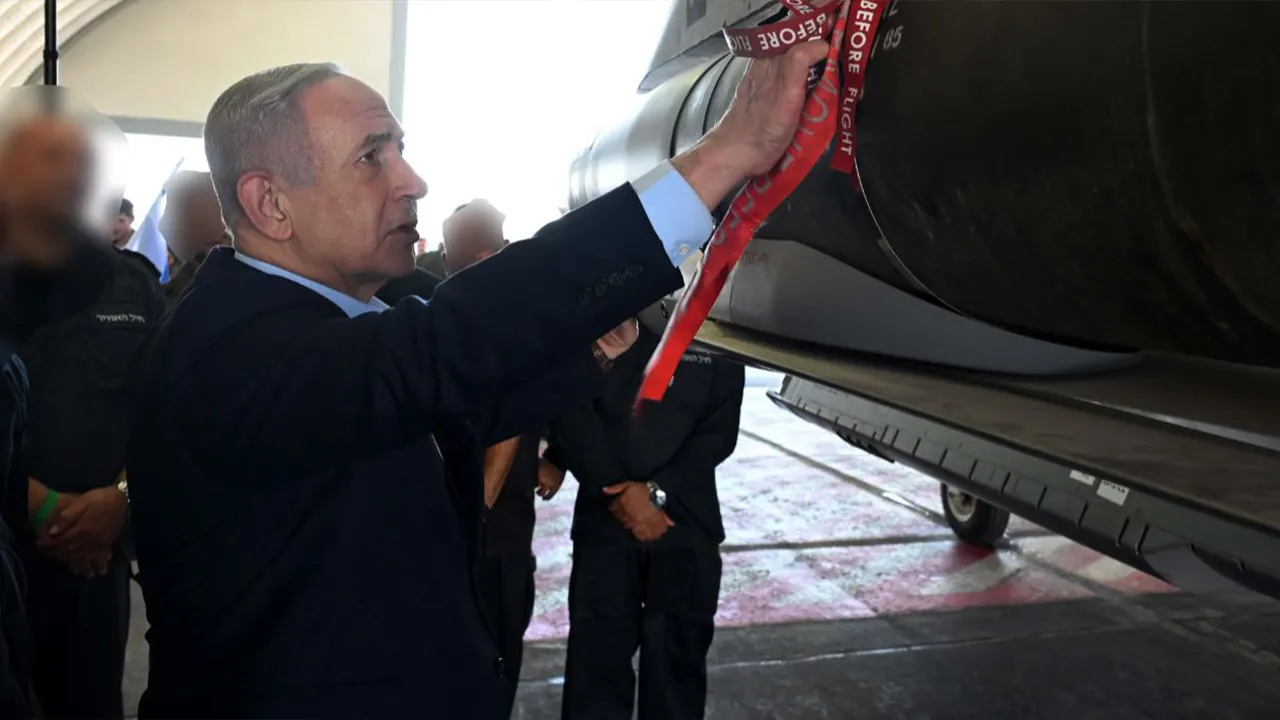
The Middle East is once again teetering on the edge of a major escalation as Israeli leaders publicly declare their readiness to launch a third military campaign against Iran. Behind the scenes, however, a complex web of diplomatic posturing, domestic political anxiety, and strategic coordination with the United States is shaping the region’s precarious future. Defense Minister Israel Katz and Prime Minister Benjamin Netanyahu recently delivered stern warnings at an Israeli Air Force graduation ceremony, asserting that the military is prepared to strike independently at any moment. This public show of force is bolstered by recent history, specifically the joint U.S.-led operations that targeted Iran’s nuclear infrastructure and maritime threats. While the rhetoric is fierce, the reality on the ground reflects a deep caution, as both allies and adversaries weigh the massive costs of another round of open warfare.
Despite the public bravado, some Israeli analysts suggest that Jerusalem is privately hesitant to trigger another immediate conflict. Nadav Eyal, a prominent Israeli journalist, points out that any direct Israeli strike on Iran would inevitably invite retaliatory ballistic missile barrages, forcing civilians back into bomb shelters. For Prime Minister Netanyahu, who is navigating a highly sensitive domestic political landscape with upcoming elections, a military action that fails to produce a definitive, strategic victory could be politically devastating. Israelis are weary of disrupted lives and economic instability, meaning that Netanyahu must balance the geopolitical pressure to look strong against the very real domestic backlash of starting a war that offers little more than temporary closure.
On the geopolitical stage, the partnership between the United States and Israel remains a critical axis, though rumors of friction occasionally surface. A recent report suggesting that the Trump administration wants to exclude Israel from current operations in Iran was swiftly labeled as “fake news” by a U.S. official, who emphasized the seamless coordination between the two nations. This alignment was highlighted in a recent phone conversation between Trump and Netanyahu, where the two leaders agreed to maintain close contact across various regional fronts. Despite the mutual public support, Israel has historically viewed U.S.-led diplomatic compromises, such as the memorandum of understanding with Tehran, with deep skepticism. Israeli security experts, such as Brigadier General Yossi Kuperwasser, argue that such agreements have never provided adequate guarantees, reinforcing Israel’s belief that it must ultimately rely on its own military capability to prevent a nuclear Iran.
The international diplomatic arena is experiencing concurrent waves of tension and outreach as the United States navigates the collapse of the previous ceasefire. President Trump declared the ceasefire officially over via social media, even as he acknowledged that back-channel talks with the Islamic Republic would continue. In a bid to de-escalate the situation, Qatari negotiators have traveled to Iran, active under U.S. coordination, attempting to revive viable conditions for peace talks. This delicate diplomacy is further complicated by recent intelligence shared by Israel with the United States regarding a fresh Iranian plot targeting President Trump, illustrating that the threats extend far beyond the physical borders of the Middle East.
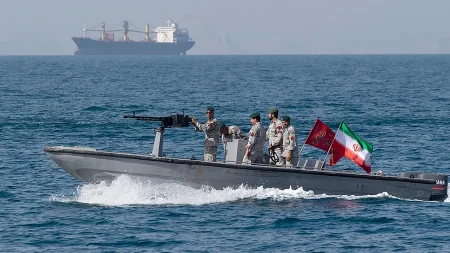
Adding to the instability is the volatile situation in the Strait of Hormuz, where fresh attacks on commercial shipping have forced U.S. and international naval forces to maintain a state of high alert. The U.S. military has characterized these maritime attacks as acts of terrorism and a direct violation of previous agreements, prompting Washington to walk back key concessions previously granted to Iran. While the U.S. maintains that a peaceful resolution remains the ultimate goal, officials have made it unequivocally clear that Iran will never be permitted to obtain a nuclear weapon. This shared red line keeps the military option firmly on the table for both the U.S. and Israel, regardless of the ongoing diplomatic maneuvers.
Ultimately, the region finds itself at a historical crossroads where public messaging serves as a powerful shield against perceived weakness. Israel’s public declarations of military readiness are designed to deter Iranian aggression and signal resolve to Washington, even if the appetite for an immediate war is limited in Jerusalem. Whether the current friction transitions into a broader, devastating regional conflict rests largely on the coordination between Trump and Netanyahu, and whether Iran decides to push past the final diplomatic boundaries. Until a clear strategic path is established, both nations remain poised to strike, keeping the entire world on edge.