

Iran’s Crackdown on Nationwide Protests Intensifies Amid Growing Unrest
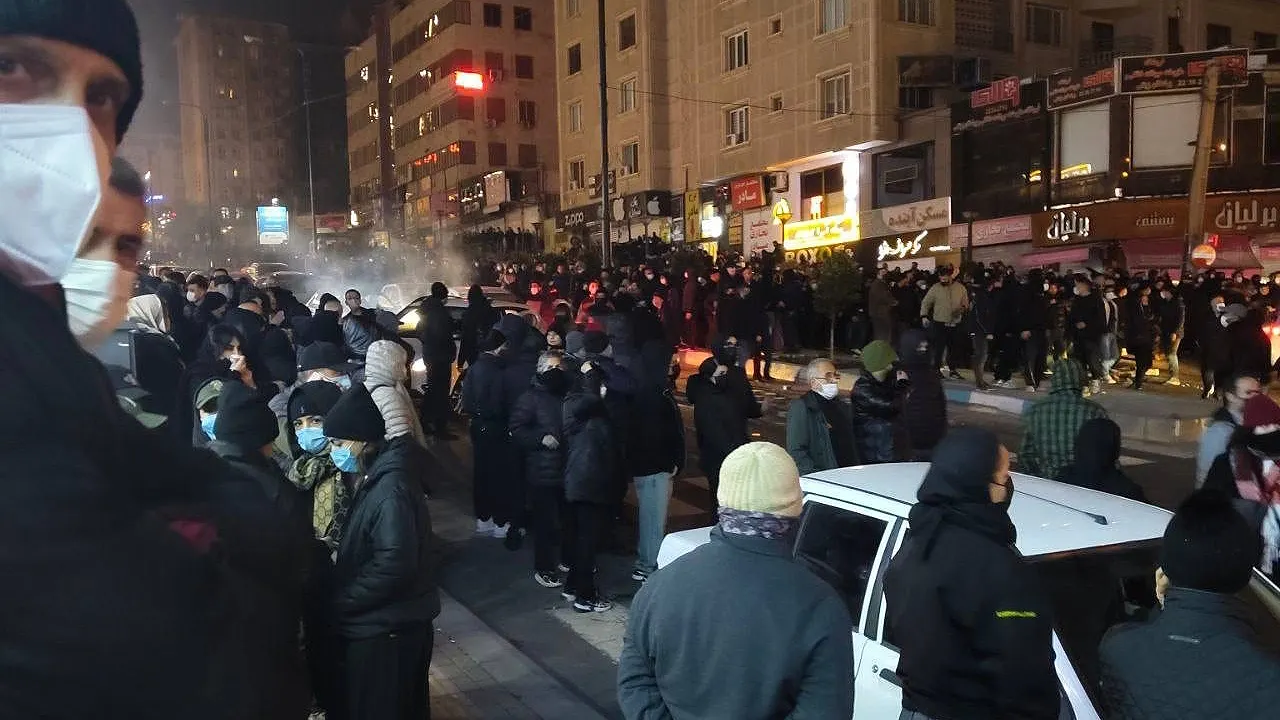
The Iranian regime’s harsh response to widespread protests has escalated dramatically in recent days, with human rights organizations reporting what they describe as a “massacre unfolding” across the country. As demonstrations spread through cities and towns, authorities have deployed sophisticated surveillance tactics, including drones hovering over protest sites, to monitor and control the growing opposition movement. This technological advantage has provided the government with enhanced capabilities to track and target demonstrators who continue to voice their frustration despite the brutal crackdown.
The full extent of the violence remains difficult to verify due to an almost complete internet blackout, with Iran’s connectivity to the outside world reduced to approximately 1% of normal levels according to NetBlocks monitoring service. Despite these information barriers, reports suggest the death toll may be staggering – with conservative estimates indicating at least 2,000 people killed over a mere 48-hour period. Human Rights Activists News Agency (HRANA) has confirmed 544 deaths directly related to the protests, with many more cases still under investigation. The scope of the government’s response extends beyond fatal force, as more than 10,600 individuals have reportedly been arrested and transferred to prisons across the country, underscoring the regime’s determination to quash the uprising through mass detention.
The protests, which began on December 28 primarily over economic grievances, have evolved into the largest anti-regime demonstrations Iran has witnessed in years. The movement has shown remarkable resilience and geographic spread, with HRANA documenting protests in 585 locations across 186 cities spanning all 31 Iranian provinces. Eyewitnesses report varying levels of force being employed by security personnel, who appear “overstretched in some areas” and are relying on intimidation tactics and warning shots. However, in other regions, particularly southeastern Iran, rights groups have documented security forces firing directly at protesters, such as in Zahedan following prayer services, resulting in numerous injuries and casualties.
Military drone expert Cameron Chell explains that Iran’s deployment of unmanned aerial vehicles represents a significant tactical advantage for the regime. “Drones are indispensable reconnaissance, surveillance and intelligence tools,” Chell told Fox News Digital. “They have given the Iranian government a distinctive upper hand in combating the protests.” While Chell doubts drones are being used for direct strikes at this stage, he notes they likely help position snipers and create psychological impact among protesters. The Iranian government primarily relies on small, domestically produced systems like the Bina, which has a range of up to 40 kilometers and carries optical and infrared cameras to monitor movement and transmit imagery to ground stations. This technological deployment “100% signals more danger” according to Chell, as it enables the regime to strategically deploy resources and track specific individuals or groups who flee protest sites.
The international response has included strong statements from former U.S. President Donald Trump, who renewed warnings to Tehran while expressing support for the protesters. “Iran is looking at FREEDOM, perhaps like never before. The USA stands ready to help!!!” Trump wrote on his Truth Social platform. He further cautioned Iranian authorities against using lethal force against demonstrators, suggesting there would be severe consequences if the violence continues. Ali Safavi, a member of the National Council of Resistance of Iran, reported that drones were observed monitoring demonstrations in Tehran, saying: “The regime, in fear of the people, deployed drones to monitor and control the demonstrations.”
As the situation continues to unfold, the Iranian government’s extensive use of surveillance technology and increasingly violent tactics highlight the regime’s determination to maintain control at all costs. The deployment of drones over protest sites not only represents an immediate threat to demonstrators but signals the potential for further escalation in the use of force. Despite these dangers, protesters have shown remarkable courage and persistence in continuing to demand change in the face of brutal repression. The coming days may prove critical in determining whether the momentum of the protests can overcome the regime’s technological and military advantages, or whether the crackdown will succeed in suppressing what has become one of the most significant challenges to Iran’s ruling authorities in recent memory.