


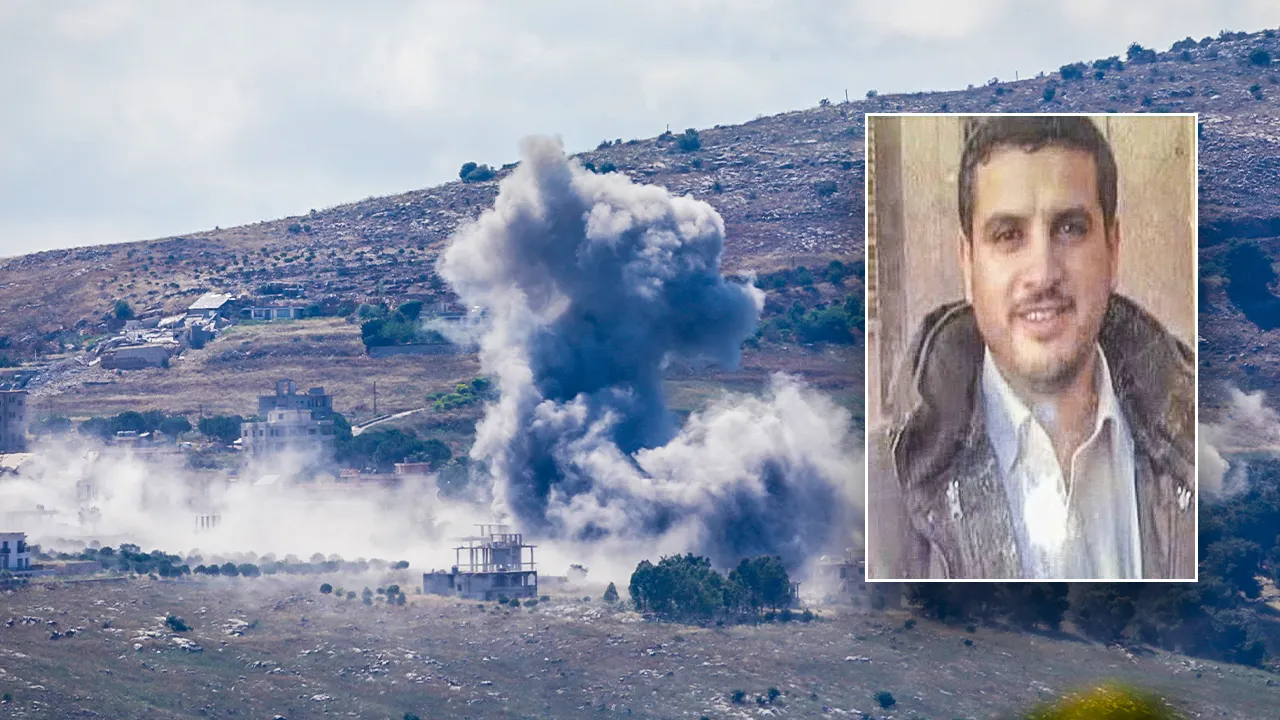
The elimination of Ali Musa Daqduq by the Israel Defense Forces south of the Litani River represents far more than a tactical milestone in a modern border war; it is the closing of a long, painful chapter of military history that began in the dust of Iraq nearly two decades ago. For the families of five American soldiers who were captured and brutally executed during a sophisticated raid on the Karbala Provincial Joint Coordination Center in January 2007, the name Daqduq has long been synonymous with unresolved grief and a glaring miscarriage of international justice. The IDF’s clinical, modern announcement on social media declaring the senior Hezbollah commander “ELIMINATED” stood in stark contrast to the deeply human, enduring trauma of those who remembered the victims of that cold-blooded ambush. By executing a precise airstrike in southern Lebanon, Israeli forces did not simply remove a high-ranking operative from the modern battlefield; they finally caught up with a ghost of the Iraq War, illustrating the unyielding memory of modern intelligence and sending a powerful message that the passage of time does not grant amnesty for acts of terror against American and allied servicemembers.
To truly comprehend the gravity of Daqduq’s demise, one must trace his deceptive journey through the shifting sands of Middle Eastern geopolitics and the legal loopholes that repeatedly allowed him to escape justice. As a highly adaptive militant, Daqduq rose rapidly through the ranks of Hezbollah, eventually commanding the personal security detail of the late Hassan Nasrallah, leading the elite Radwan Force, and directing Hezbollah’s Infantry Unit. When he was captured by U.S. special operations forces in Iraq in 2007, military intelligence discovered his deep ties to Iran’s Quds Force, mapping out how he trained elite Shiite militias to kill American troops. Yet, instead of facing permanent imprisonment or military tribunal, Daqduq became a victim of diplomatic transition during the 2011 American military withdrawal under President Barack Obama. Transferred to Iraqi custody under sovereign legal agreements, he was quickly acquitted by Iraqi courts under intense political pressure from Baghdad and Tehran, walking free in 2012 to the absolute outrage of the Pentagon and the families of the fallen. His return to Lebanon allowed him to rebuild his terror career, transforming his survival into a glaring symbol of the frustrations of asymmetric warfare, where geopolitical shifts can casually erase years of hard-fought intelligence and battlefield sacrifices.
Upon his return, Daqduq did not retire into the shadows; instead, he weaponized his freedom to lay the groundwork for Hezbollah’s next major confrontation with Israel. He became the chief architect of the “Golan Terrorist Network,” an underground operations cell exposed by Israeli intelligence in 2019 that sought to entrench Hezbollah’s military infrastructure deep within Syrian territory, right along Israel’s northern border. The IDF emphasized that in his final years, Daqduq played a central role in planning cross-border incursions and rocket attacks designed to terrorize northern Israeli communities, essentially serving as a bridge between Hezbollah’s historic guerrilla roots and its modern, state-backed rocket campaign. His sudden elimination represents an existential blow to the organization’s senior command structure, stripping Hezbollah of a rare, battle-tested strategist who understood both conventional warfare and subterranean, proxy operations. For Israel, neutralizing Daqduq was an act of national survival, demonstrating to their adversaries that no matter how deeply they bury their operations in neighboring sovereign states, their past and present actions will eventually catch up with them.
However, the ripple effects of this target-specific strike quickly escalated into a much broader, terrifying exchange of fire that has shattered any lingering hope of a quiet ceasefire. Almost immediately following the strike, Israeli warplanes launched a series of intense, thunderous aerial bombardments on the Dahieh district of Beirut, targeting buried Hezbollah command centers and weapons caches. Standing side-by-side in a rare display of unified wartime resolve, Prime Minister Benjamin Netanyahu and Defense Minister Israel Katz issued a joint statement taking direct ownership of the escalation, declaring it an uncompromising retaliation for Hezbollah rocket fire aimed at Israeli civilian centers over the preceding days. “Israel will not tolerate fire into its territory,” they asserted, reminding the world that ceasefire terms are not a shield under which terrorists can continue to launch sporadic attacks without facing devastating consequences. For the civilians huddled in the basements of Beirut’s suburbs and the families in northern Israel rushing to bomb shelters, this escalation serves as a tragic reminder of how quickly historical vendettas can reignite active, destructive combat, reducing the abstract diagrams of military strategists to the terrifying reality of concrete rubble and shattered lives.
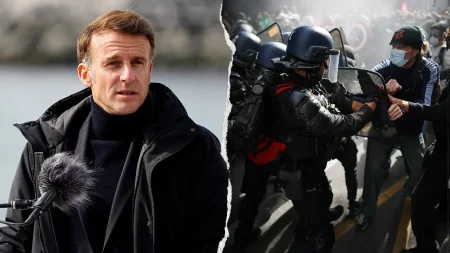
This sudden explosion of violence has collided head-on with a parallel, incredibly fragile diplomatic drama unfolding in Washington, where former President Donald Trump has been aggressively attempting to broker a sweeping, historic regional deal with Iran. Trump’s frustration with the timing of the Israeli airstrikes was raw, public, and characteristically blunt, as revealed by Fox News’ Middle East correspondent Trey Yingst, who reported Trump’s profane confrontational warning to Netanyahu: “What the f–k are you doing?” Trump’s ambitious diplomatic vision involves a high-stakes, fast-paced bargain where the United States would immediately lift maritime blockades on Iranian ports in exchange for a binding agreement from Tehran to cease hosting and launching missiles toward Israel. The collision between Israel’s immediate, tactical security strikes on the ground and Trump’s grand, transactional diplomatic maneuvers reveals a profound, friction-filled disconnect between allies, where Israel prioritizes the immediate neutralization of threats on its borders, while the incoming American administration views unilateral military operations as a direct threat to a broader, legacy-defining geopolitical peace deal.
As the smoke hangs heavy over Beirut and negotiators scramble to salvage the faltering peace talks, a bitter international blame game has emerged, highlighting the complex, often irreconcilable realities of the actors involved. Diplomats close to the negotiation table have privately accused Israel of deliberately utilizing military force to sabotage President Trump’s impending deal, fearing that a hasty, diplomatically convenient agreement might leave Hezbollah’s infrastructure intact and drag the United States into a prolonged, unwanted pacification campaign. On the other hand, senior Israeli officials have fiercely rejected this narrative, arguing that they cannot allow diplomatic timelines or international pressure to dictate their duty to protect their citizens from ongoing, unprovoked rocket barrages. This profound disagreement exposes the central, tragic paradox of the Middle East: while global leaders strive to construct sweeping, optimistic peace treaties on paper, the actors on the ground remain hopelessly locked in an existential struggle of blood, survival, and memory, where the unavenged ghosts of 2007 continue to dictate the violent, unpredictable trajectory of tomorrow.