






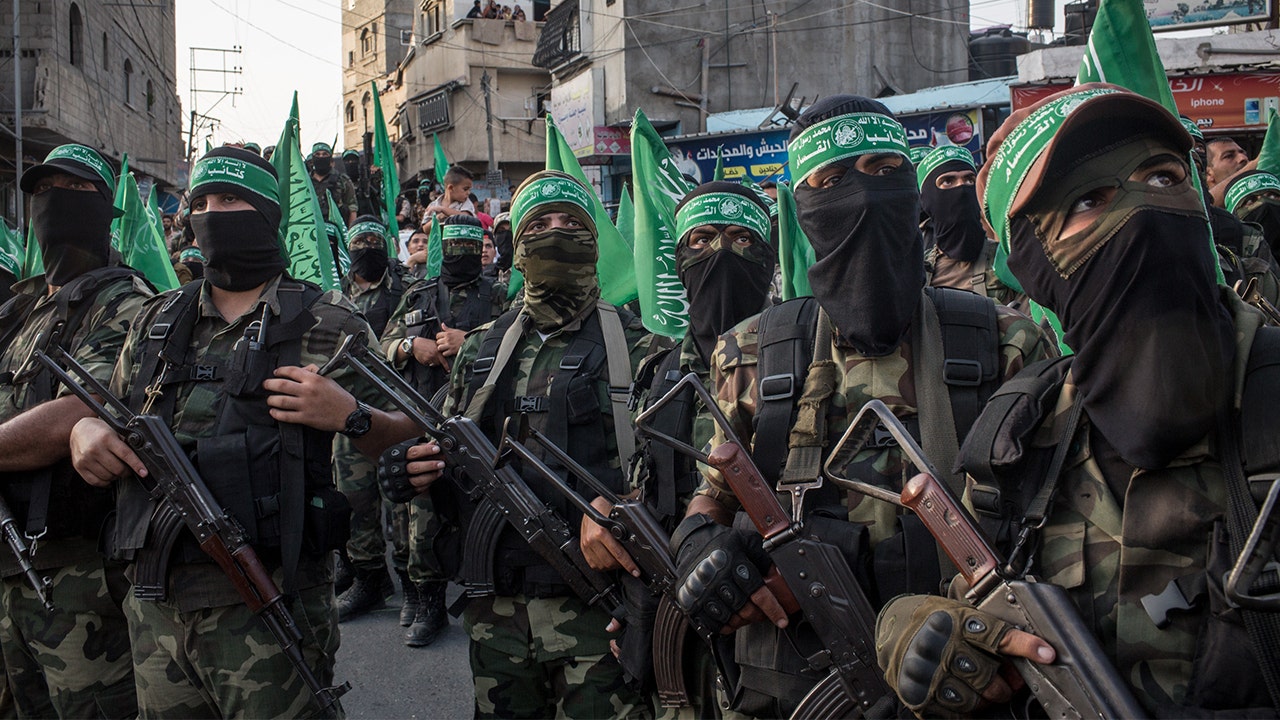
In a move that has sparked intense debate over the future of the Middle East, Hamas announced on Monday that it is dissolving the emergency committee that has overseen Gaza’s civilian government. This administrative shift is designed to pave the way for a proposed, U.S.-backed governing body known as the National Committee for the Administration of Gaza (NCAG). Designated by the United States as a foreign terrorist organization, Hamas has ruled the Gaza Strip with an iron fist since seizing control of the territory in 2007. Its brutal October 7, 2023, attack on Israel ignited the current war, leading Israel to declare that Hamas will have absolutely no military or political role in post-war Gaza. This sudden announcement has thrust regional diplomacy into a critical testing phase, putting President Donald Trump’s post-war framework under a microscope as international observers watch to see if a genuine transition of power is truly underway, or if the region is witnessing a highly calculated political maneuver.
For a battle-weary population, the announcement offers a glimmer of hope for a transition to civilian normalcy, but local residents and seasoned political commentators remain deeply skeptical. Alaa Abo Naddi, a schoolteacher and political activist living in Gaza, explained that the bureaucratic committee being dissolved was never the true source of Hamas’ power. He views the announcement as a transparent attempt to buy time and deflect international pressure, pointing out that civilian administrators have always operated under the thumb of Hamas’ security forces. In Gazan daily life, even a low-ranking Hamas security official can easily overrule or arrest a civilian administrator. Without a commitment to disarm and dismantle its armed militias—which remains the central demand of both Israel and the Trump administration’s post-war roadmap—many locals fear that any new civilian government will simply serve as a puppet regime.
This skepticism is shared by regional experts who see the move as a highly calculated, performative gesture. Hadeel Oueis, the editor-in-chief of Jusoor News, argues that the announcement was likely encouraged by Hamas’ regional patrons to send a strategic message directly to Washington. By ostensibly stepping down from civilian administration, Hamas hopes to position itself as a cooperative cooperative partner that has fulfilled its obligations, thereby shifting the blame onto Israel for any diplomatic standstill. Because the technical municipal workers are expected to remain in their jobs during the transition, the administrative framework will remain unchanged. Unless the underlying security apparatus is dismantled, Hamas will continue to rule Gaza in everything but name, maintaining its grip on society while escaping the day-to-day burdens of municipal governance.
However, some diplomatic observers see a more complex strategy at play behind the scenes, suggesting the dissolution could be part of a coordinated push by regional mediators. Michael Milshtein, head of the Palestinian Studies Forum at Tel Aviv University’s Moshe Dayan Center, suggests that Turkey, Qatar, and Egypt may be working with Hamas to break the diplomatic deadlock. Instead of demanding an immediate, unconditional surrender of weapons, these mediators might be proposing a gradual, phased disarmament process that Hamas finds politically palatable. By taking this step, Hamas has effectively thrown the ball into Israel’s court, presenting itself as willing to compromise on civil governance while leaving the highly contentious issue of military control for future negotiations.
This potential strategy of partial concessions has drawn sharp condemnation from Israeli leadership, who fear a dangerous political precedent. Israeli Foreign Minister Gideon Sa’ar vociferously rejected the transition proposal, warning that Hamas is attempting to replicate the “Hezbollah model” used in Lebanon. Under this dynamic, a heavily armed militant organization retains ultimate military dominance and veto power over the state, while leaving the mundane, resource-draining tasks of municipal governance—like trash collection and utility management—to civilian bureaucrats. Sa’ar insisted that Israel will settle for nothing less than the complete demilitarization of the Gaza Strip and the total disarmament of Hamas and all other terrorist factions, a position strongly supported by international allies like German Foreign Minister Johann Wadephul.
Meanwhile, the international community has responded with cautious optimism, hoping this political shift might finally open doors for humanitarian relief and long-term stability. United Nations spokesperson Stéphane Dujarric stated that the U.N. has taken note of the decision and welcomes any measure that could facilitate a lasting ceasefire, protect vulnerable civilians, and allow for the unhindered flow of humanitarian aid. The U.N. continues to advocate for a unified Palestinian governance structure under the Palestinian Authority. Ultimately, the true test of this transition will not be found in official decrees, but on the ground in Gaza. The world now watches to see if the newly proposed civilian committee will be allowed to enter the territory and exercise genuine, independent authority, or if Hamas will continue to cast its long, armed shadow over the war-torn enclave.