







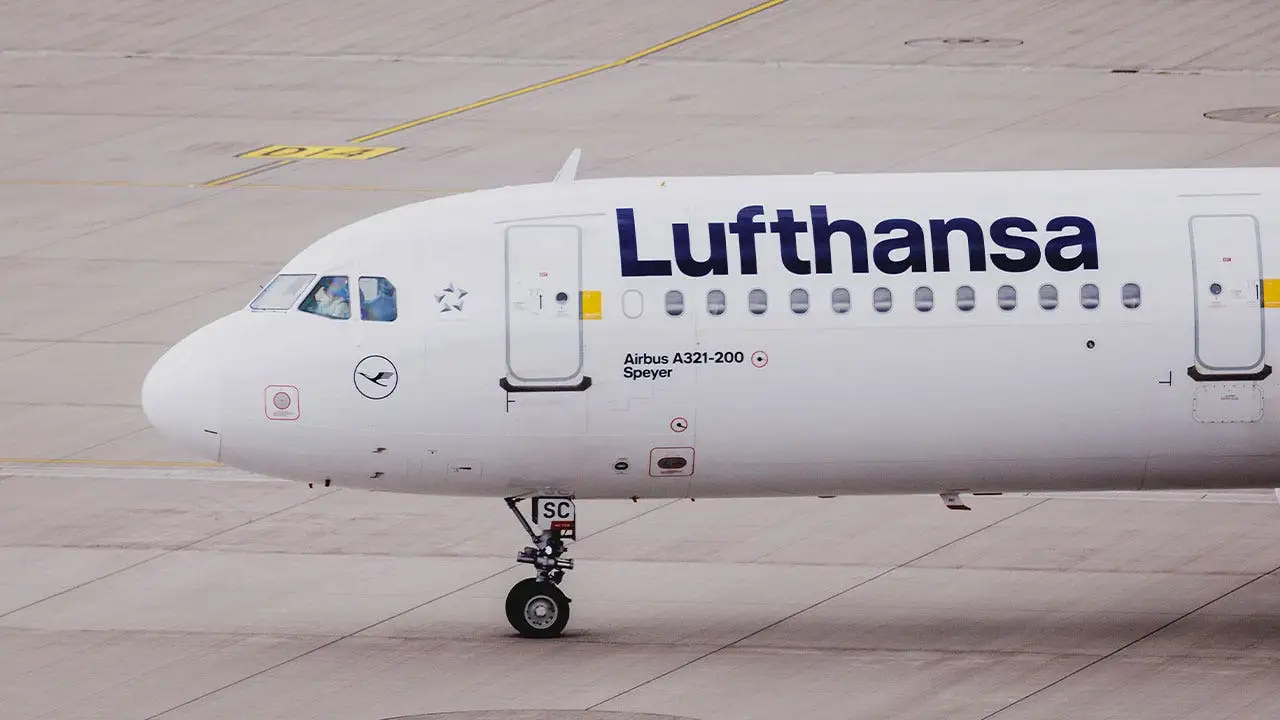
Imagine standing in a bustling airport terminal, the stifling summer heat pushing temperatures to a sticky 30 degrees Celsius (86 degrees Fahrenheit). For 24-year-old fitness influencer Edda Elisa Pilz, what was supposed to be a routine Lufthansa flight from Berlin to Austria quickly transformed into a frustrating and humiliating ordeal. Equipped with nothing more than her carry-on and a comfortable, matching athletic two-piece set designed to beat the heat, Pilz found herself at the center of an unexpected confrontation that would soon spark a viral conversation about how airlines police their passengers’ bodies.
When Pilz stepped up to have her boarding pass scanned, the last thing she expected was to be barred from the aircraft. Instead of a routine welcome, a Lufthansa gate agent stopped her in her tracks, declaring that she could not board the plane in her current state. In a series of events that Pilz later described as deeply demeaning, the employee repeatedly asserted that she was “naked” and insisted that her athletic top and shorts did not constitute “normal clothes.” The public accusation left the influencer bewildered, questioning why a standard fitness outfit was suddenly deemed inappropriate for a hot summer day.
What followed was a frustrating display of authority. To resolve the impasse and catch her flight, Pilz complied by pulling a jacket from her luggage, but even that was not enough to satisfy the gate agent. She was instructed that she had to zip the jacket all the way to the top before she would be allowed to set foot on the plane. To make matters worse, the employee then shifted the blame onto Pilz, publicly accusing her of delaying the entire aircraft and holding up the queue simply because the young traveler dared to ask for an explanation of the rules.
The sting of the incident was made even sharper by what Pilz witnessed happening around her. As she stood there sweating in her fully zipped jacket, she watched male passengers easily boarding the exact same flight in casual shorts and t-shirts without receiving a single glance or reprimand. This apparent double standard transformed the situation from a confusing policy dispute into a disheartening moment of gendered scrutiny, leaving Pilz feeling singled out and unfairly targeted by an employee’s personal biases.
Turning to her digital community of over half a million followers on Instagram and TikTok, Pilz shared a video recount of the confrontation that quickly went viral. Her message was clear: she was not necessarily angry about the existence of rules, but rather the condescending and rude manner in which she was treated. “I can accept rules,” she explained to her audience, “but the attitude was unacceptable.” By sharing her story, she aimed to hold the major airline accountable for how its representatives treat paying customers who are just trying to travel comfortably.
A look at Lufthansa’s official General Conditions of Carriage reveals a surprising truth: the airline does not actually have a formal passenger dress code listed in its policy. While the airline reserves the right to refuse service for safety, security, or the well-being of other passengers, it makes no mention of restricting athletic wear. As both Pilz and the online community await an official comment from Lufthansa, the incident stands as a stark reminder of the arbitrary power gate agents hold, and the growing demand for empathy and respect in modern customer service.