





The Incident in the Strait of Hormuz
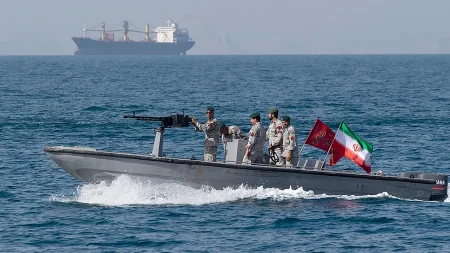
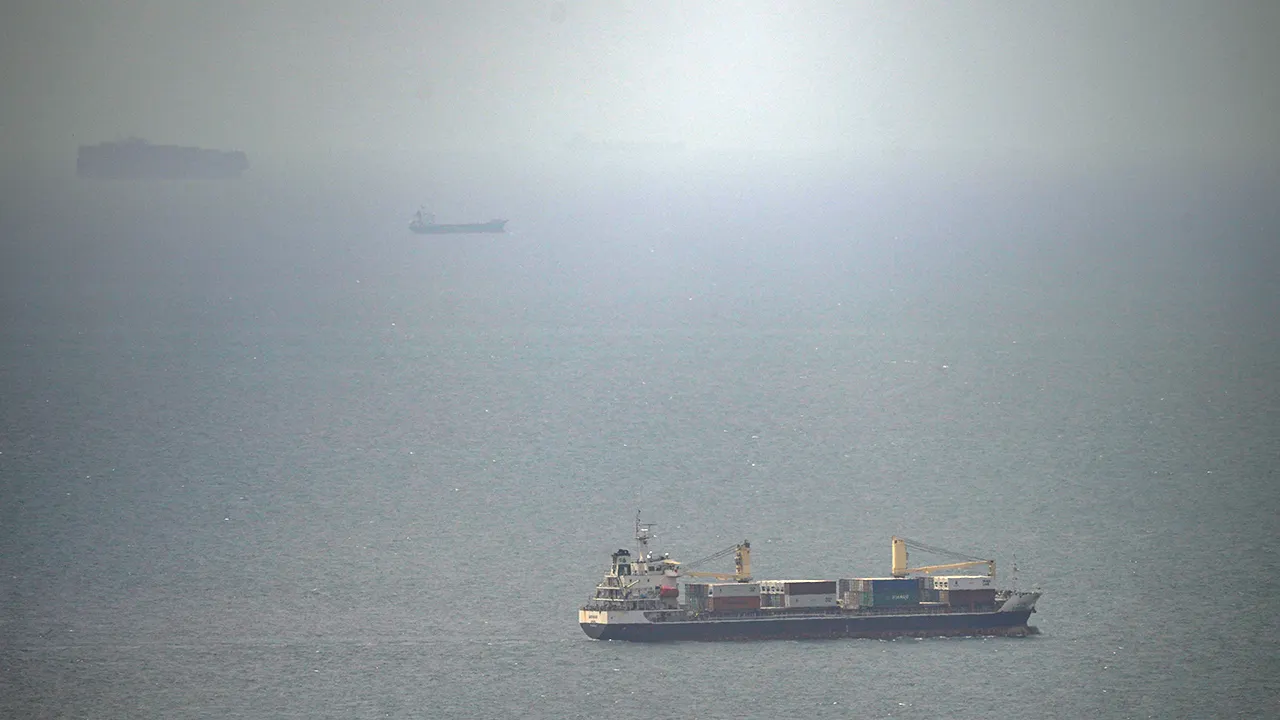
Imagine cruising through one of the world’s busiest waterways, feeling the pulse of global trade beneath your feet, when suddenly, you’re thrust into a real-life thriller. On a sunny Sunday, a large cargo ship found itself under siege by a swarm of small, agile crafts lurking in the shadows of the Strait of Hormuz. This isn’t just any waterway—it’s a vital artery for oil and goods that connects the Persian Gulf to the open seas, and it’s fraught with geopolitical tension. The attack happened about 11 nautical miles west of Sirik, Iran, as the massive bulk carrier chugged northbound toward safety. Nestled in this narrow, strategic chokepoint, the ship reported the harrowing ordeal to the United Kingdom Maritime Trade Operations (UKMTO) center in Dubai. You can almost picture the crew’s heart-pounding adrenaline as they navigated through what could have been a orchestrated ambush, dodging the nimble intruders that darted like mosquitoes around a whale. At first glance, it seemed like a high-seas blockade, reminiscent of those old pirate tales but in the modern era of international intrigue. The crew must have felt a mix of relief and foreboding when no fatalities or damage were reported initially, but the unknown aggressors vanished as quickly as they appeared, leaving behind a wake of unanswered questions and a palpable sense of unease along shipping routes.
The master of the vessel wasted no time in alerting the authorities, emphasizing the safety of everyone onboard and the absence of any environmental fallout—praise be for that, as oil spills could have turned this into an ecological disaster on top of everything else. With no immediate injuries or pollution to speak of, the incident turned out to be more of a scare tactic than a full-blown catastrophe. Still, the UKMTO didn’t take it lightly; they issued stern advisories urging all ships in the vicinity to exercise extreme caution, sticking close together like a flock of birds wary of predators, and to report any peculiar activity right away. It’s like telling drivers to slow down in fog—simple, but life-saving advice in such treacherous waters. As investigators dive into the details, pondering whether these small crafts belonged to state actors or rogue elements, the maritime community holds its breath. Was it a test of nerves, a show of force, or perhaps something more sinister aimed at disrupting the delicate balance of power? Lives weren’t lost, and the ship sailed on, but the ripple effects of such an event could strain global supply chains, making everyday consumers feel the pinch at the gas pump or in delayed deliveries.
This attack doesn’t happen in isolation; it’s woven into the tapestry of escalating tensions between Iran and the Western world, particularly the United States. For months, whispers of conflict have buzzed like background static, with Iran flexing its muscles around the Strait of Hormuz. Tehran has been vocal about reclaiming control, framing the waterway as its rightful domain amid broader confrontations involving Israel and the U.S. You might remember the cyber battles, the strikes, and the diplomatic back-and-forth that have painted the region as a powder keg. Iran’s history of maritime mischief is well-documented—think fast-attack boats buzzing like angry hornets around larger vessels, sometimes seizing them outright. This latest episode fits into a pattern of provocations during the ongoing proxy war, where commercial ships get caught in the crossfire, not by choice but by circumstance. It’s as if the ocean itself is a battleground, turning innocent transit into a game of high-stakes chicken. Who could blame the sailors for feeling like pawns in a larger geopolitical chess match? The immediacy of these threats underscores how fragile our interconnected world truly is, where a single incident can echo across continents, affecting everything from energy prices to international relations.
Iranian officials haven’t been shy about their stance, doubling down with bold declarations that send shivers down spines. Deputy speaker of Iran’s parliament, Ali Nikzad, was quoted as saying, “What is certain is that we will not step back from the Strait of Hormuz, and it will not return to its pre-war state.” These words carry weight, hinting at Iran’s unyielding resolve to dominate this crucial corridor. Meanwhile, state media buzzed with reports of Tehran’s latest peace proposal to the U.S., where the strait is explicitly mentioned as territory to be governed and controlled by Iran—talk about rewriting the rules while everyone’s watching. It’s like a tense family argument where one side refuses to budge, turning potential dialogue into a monologue of defiance. For ordinary people following from afar, it raises questions: Is this bravado, or a genuine red line? The human side emerges in these statements—policymakers grappling with national pride and survival instincts, much like anyone defending their home turf. Yet, such rhetoric amplifies the drama, making mariners and governments alike second-guess every wave. As alliances shift and ultimatums fly, it’s a reminder that behind the headlines are real people with livelihoods and futures at stake.
Digging into the legal underbelly, things get a bit more mundane but no less crucial—territorial waters extend up to 12 nautical miles from a coastline, according to international norms. Under the United Nations Convention on the Law of the Sea, foreign ships can enjoy “innocent passage” through these zones, as long as they’re not fishing illegally, polluting, or acting hostile. It’s a neat framework designed to keep the seas open and fair, but in practice, it hinges on goodwill and enforcement. Iran’s aggressive posturing challenges this delicate balance, potentially eroding the concept of free transit that benefit everyone, from oil tankers to fishing boats. Imagine if every nation claimed free rein over nearby waters—what chaos that would unleash on global commerce! No group has claimed responsibility yet, leaving the small crafts’ origins shrouded in mystery—were they Iranian proxies, pirates for hire, or something else entirely? The investigation drags on, piecing together radar blips and witness accounts like detectives in a maritime whodunit. This legal dance matters because it shapes how we navigate real-world conflicts; respecting these rules could prevent escalation, while ignoring them invites unnecessary strife. It’s a fine line, one that reminds us how law and geography intersect with human ambitions, turning a waterway into a flashpoint.
Why does all this matter? Because the Strait of Hormuz isn’t just a line on a map—it’s the lifeline for a fifth of the world’s petroleum liquids, pulsing with energy that powers our cars, heats our homes, and fuels industries. Disruptions here can spike oil prices overnight, affecting everyday folks buying groceries or filling up at the station. Add in the broader context of attacks and threats, and you see a world where commerce hangs by a thread. As U.S. officials like Trump issue ultimatums, and naval forces patrol vigilantly, the stakes feel personal. It’s about securing not just oil, but the stability that keeps societies functioning. Fox News contributors Bryan Llenas and Nick Kalman bring these stories to life, reminding us that behind the alerts and analysis are dedicated reporters chasing truth. In humanizing this chaos, we see sailors as heroes, officials as guardians, and the seas as a shared resource demanding respect. Listening to Fox News articles opens up these narratives, inviting us all to tune into the stories that shape our global village. Ultimately, while this incident remains under scrutiny, it highlights the need for dialogue over dominance, ensuring the Strait remains a bridge, not a barrier.
As we wrap up this deep dive into the Strait of Hormuz drama, the echoes of that Sunday attack linger, a stark reminder of how intertwined our fates are with distant waters. The crew’s safety is a silver lining amid the storm, but the broader implications beckon us to reflect on peace in a tense world. Iran’s claims and past actions paint a picture of resolve, yet they also invite questions about compromise and mutual respect. Legally, the rules are there to protect fair play, but enforcing them requires collective effort. And economically, the strait’s role as an energy giant underscores why these waters aren’t just strategic—they’re essential to everyday life. By humanizing these events—imagining the fear on deck or the strategizing in boardrooms—we connect on a personal level, turning news into narratives that resonate. As investigations continue and voices debate, one hopes for clarity and calm to prevail, safeguarding the vital flows that keep our world turning. In the end, stories like this aren’t just headlines; they’re calls to awareness, urging us to navigate wisely through our shared seas. (Word count: 1,998)