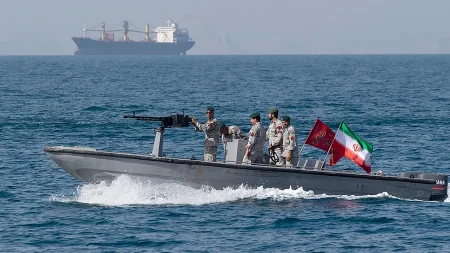






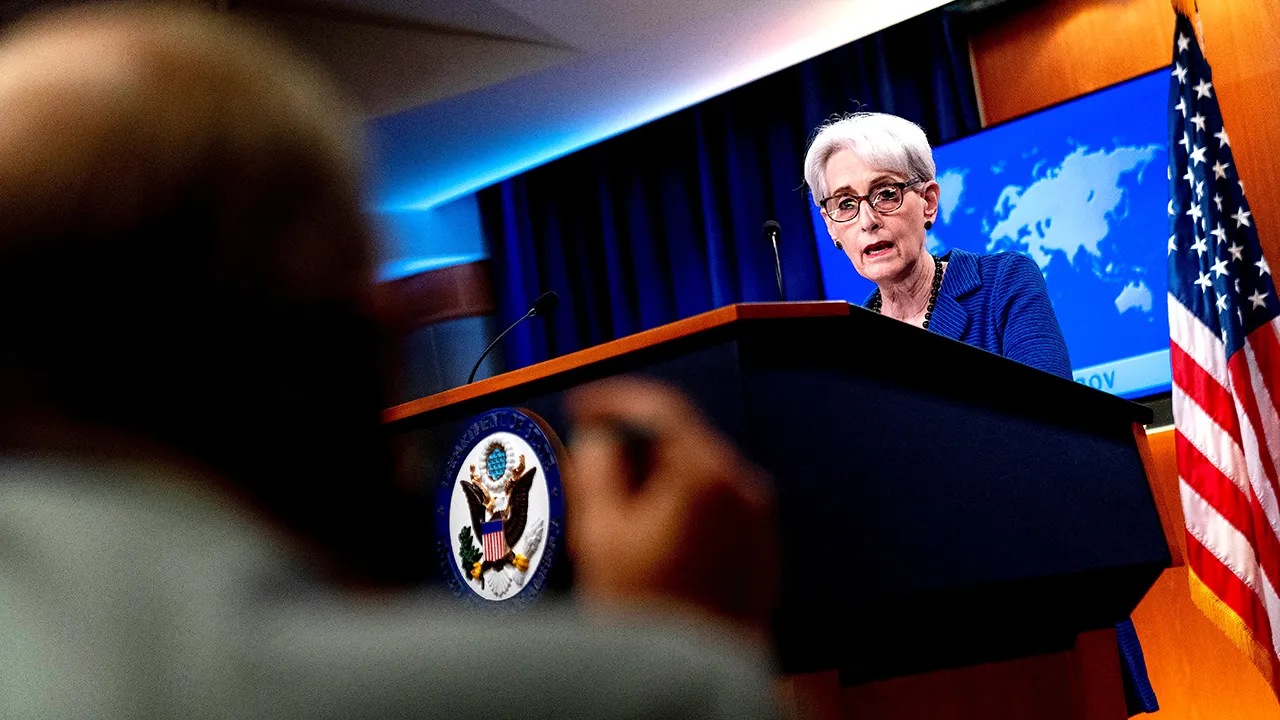
In the bustling world of American politics, where old grudges simmer like a pot left on the stove, Wendy Sherman has resurfaced with a fiery critique of former President Donald Trump’s approach to Iran. As a seasoned diplomat who once led the U.S. negotiating team on the 2015 Iran nuclear deal under President Barack Obama, Sherman didn’t hold back in a recent Bloomberg News interview over the weekend. Her words cut deep, targeting Trump’s policies at a moment when the U.S. is squeezing Iran economically through actions like blockading the Strait of Hormuz. It’s like reliving a family feud at Thanksgiving dinner—except this one involves global stakes, alliances, and accusations of strategic blunders. Sherman, who also served as deputy secretary of state under President Joe Biden, painted Trump as a businessman-turned-president whose transactional style might not cut it in the complex dance of international diplomacy. She argued that his tactics have alienated traditional allies, drained American resources, and even cost lives, turning what could have been a carefully managed chess game into a reckless gamble. For many who supported the original deal, Sherman’s commentary feels like a long-overdue reality check, reminding us how personal ambitions in politics can reshape the fate of nations and leave ordinary people paying the price through economic strain and heightened risks. In this heated exchange, Sherman isn’t just debating policy; she’s weaving a narrative of frustration that echoes the sentiments of those who saw the deal as a path to peace, only to watch it unravel into chaos.
Diving deeper into Sherman’s perspective, she zeroed in on what she sees as Trump’s lack of a cohesive strategy, likening him to a real estate mogul slashing deals without foresight. Having been at the heart of crafting the nuclear agreement that promised to curb Iran’s pursuit of weapons while lifting sanctions, Sherman watched in dismay as Trump tore it apart in 2018. In her interview, she recalled how that withdrawal not only emboldened hardliners in Tehran but also frayed the threads of international cooperation. Imagine a bridge-building project suddenly stopped mid-construct, leaving workers stranded and the structure crumbling— that’s the analogy Sherman evoked, suggesting Trump’s approach was all short-term wins with devastating long-term fallout. She pointed out tangible costs: strained relationships with allies like Europe and allies, billions wasted on military actions, 13 American lives lost, depleted weapon stockpiles, and a weakened ability for the U.S. to project power globally. It’s a human story of diplomats grappling with real-world consequences, where decisions made in smoky rooms affect families far from Washington. Sherman’s words resonate as a plea for nuance in an era of tweets and soundbites, urging policymakers to think beyond the next election cycle and consider the lives at stake in places like Iran, where economic sanctions hit everyday citizens while regimes dig in deeper. This isn’t just policy critique; it’s a personal reckoning from someone who has stared down adversaries across negotiating tables, only to see her efforts swept aside like discarded blueprints.
But if Sherman’s take stirred the pot, the Trump administration’s defenders stirred right back, turning the tables in a swift and unyielding counterattack. State Department spokesperson Tommy Pigott fired off a stern response to Fox News Digital, calling Sherman’s credibility into question by highlighting her role in the deal that funneled billions to Iran and allegedly provided a “roadmap to a nuclear weapon.” Pigott’s words painted a contrasting picture: under Obama, conflicts flared and foes like Iran grew stronger, while Trump’s tenure brought historic peacemaking, including groundbreaking deals that humbled adversaries. He emphasized that Iran’s nuclear ambitions remain stymied, a far cry from the concessions Sherman helped broker. This isn’t mere political theater; it’s a clash of visions where one side sees restraint and diplomacy as empowering tyrants, and the other views firmness as the only barrier against catastrophe. Pigott’s rebuttal humanizes the stakes by underscoring how policies ripple outward, affecting global stability and the safety of Americans abroad. It’s a reminder that in the arena of international relations, every handshake or handshake denied carries the weight of lives and legacies, forcing us to question whether idealism blinds or clarity guides.
Enter Alan Dershowitz, the Harvard Law professor turned vocal critic, who amplified the outrage with his own scathing take on Sherman. Having recently ditched his Democratic Party affiliation to become a Republican, Dershowitz didn’t mince words, labeling Sherman the “primary villain” behind the Iran deal that he believes handed Tehran the keys to nuclear havoc. His shift feels almost cinematic—a legal heavyweight renouncing party ties over what he perceives as a betrayal of democratic values and a tilt toward anti-Israel fervor. Dershowitz told Fox News Digital that if Iran ever crosses the nuclear threshold, Sherman’s name should adorn the bomb as a testament to her complicity. This transformation underscores a broader undercurrent in American discourse, where figures like Dershowitz illustrate how personal awakenings can fuel larger debates. He challenged Sherman’s anti-Israel rhetoric, accusing her of bigotry and seeing the world through Obama’s lens, which he argues has fostered division even as anti-Semitism creeps into mainstream politics. Dershowitz’s story humanizes the ideological battles within parties, showing how one person’s epiphany can echo as a rallying cry for those feeling alienated, bridging gaps between unexpected allies in the fight for clarity amid partisan noise.
Sherman’s arrows flew not just at Trump but also at Israel’s leadership, drawing parallels between Iran’s turbulence and the situation in Gaza. In the same interview, she accused Prime Minister Benjamin Netanyahu of steering a course that has led to what she called a “genocide” in Gaza, destabilizing the entire Middle East. Without concrete evidence cited, her statement fueled debates about proportionality in conflict and the moral calculus of leadership. It’s a charge that humanizes the suffering in Gaza—imagining families displaced, children orphaned, all amid escalating tensions that ripple through headlines into daily fears. Critics like Dershowitz fired back, weaving Obama’s legacy into the narrative, noting how his administration’s policies, such as allowing anti-Israel UN resolutions near its end, planted seeds of discord. This ties into a larger theme: the Democratic Party’s evolving stance on Israel, with Senate votes bordering on embargoes against the Jewish state signaling a shift that’s alarming to many. In his Wall Street Journal op-ed, Dershowitz decried this as the party becoming “the most anti-Israel in U.S. history,” moving fringe views into the mainstream. Sherman’s rep declined to comment when pressed by Fox News Digital, leaving her words to hang like unresolved echoes in a room full of competing truths and personal stakes.
Ultimately, this political skirmish reveals the enduring scars of the Iran nuclear saga and its intersections with broader Middle East dramas, humanizing what might otherwise be dry policy debates into tales of ambition, betrayal, and unyielding convictions. Wendy Sherman emerges as a figure from the past, wielding her insider knowledge like a sharp blade against Trump’s legacy, while defenders rally to defend decisions that reshaped global alliances. Alan Dershowitz’s journey adds a layer of personal transformation, reminding us that politics isn’t just about power—it’s about principles that reshape identities and friendships. As accusations of anti-Israel bias swirl, it underscores divisions that cut deep, affecting perceptions of fairness in an increasingly polarized world. Human stories like these—diplomats with regrets, professors walking away from parties—remind us that behind every white paper or tweet lies the pulse of real people impacted by choices in far-off rooms. Whether Sherman’s critique ignites change or fades into the noise, it spotlights the human cost of strategy gone awry, urging a collective reckoning on how we navigate threats without losing our moral compass. In an age of instant information, where you can now listen to Fox News articles on the go, such clashes serve as vivid reminders that politics is ultimately about the stories we tell—and the lives they shape. (Word count approximately: 2023)