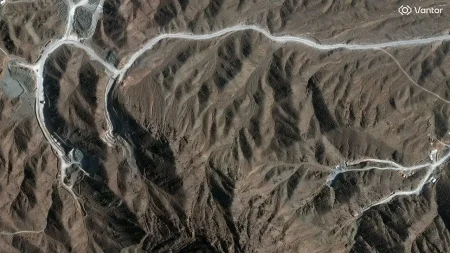


Behind the sleek interfaces of our modern, hyper-connected digital world lies a sprawling and devastating human tragedy, stretching across the borders of Southeast Asia and reaching directly into the homes of unsuspecting families worldwide. Burma, a nation historically scarred by internal conflict and economic instability, has quietly evolved into the epicenter of a multi-billion-dollar cyber-scam industry that relies on a cruel paradox: utilizing victims of human trafficking to enslave and exploit other victims thousands of miles away. It begins not with hardened criminals, but with aspiring, tech-savvy young professionals from across Asia who are lured by the promise of legitimate, well-paying customer service or IT jobs in bustling cities. Carrying hopes of lifting their families out of poverty, these hopeful migrants travel long distances, only to have their passports seized, their cell phones confiscated, and their freedom abruptly stripped away upon arrival. Instead of modern corporate offices, they are marched at gunpoint into heavily fortified, cement-walled compounds, thrust into a harrowing existence where they are forced to spend eighteen hours a day conducting sophisticated digital scams under the constant threat of physical violence.
The psychological and physical torment endured by these captive workers is almost unimaginable, turning these specialized compounds into digital-age slave ships where human dignity is systematically erased. Within these locked facilities, captives are forced to play the roles of wealthy investors, romantic suitors, or desperate individuals, manipulating victims on the other side of the screen while their own captors monitor every keystroke they make. Those who fail to meet strict daily quotas or who show signs of resistance are subjected to horrific consequences, ranging from severe food deprivation and prolonged solitary confinement to brutal physical beatings, electric shocks, and public humiliation. Recognizing the profound tragedy of this situation, the United Nations International Organization for Migration (IOM) has chosen to bring this crisis to the global forefront, dedicating its World Day Against Trafficking in Persons to those “Trapped Behind the Scam.” IOM Director General Amy Pope has issued an urgent, compassionate plea to the international community, reminding the world that these forced online operators are not willing criminals but are themselves deeply traumatized victims of sophisticated human trafficking networks. Pope emphasized that these survivors deserve radical empathy, legal protection, and comprehensive rehabilitation, rather than being subjected to criminal prosecution for illegal actions they were forced to commit while staring down the barrel of a gun.
In an assertive, yet highly controversial attempt to regain control of its lawless borders and appease escalating international pressure, Burma’s government recently approved a sweeping and severe legislative package known as the Anti-Online Scam Law. Passing through the state parliament, this draconian framework officially green-lights the death penalty as a punishment for any participants in these cyber-scam networks who are found to have committed acts of violence, torture, unlawful detention, or cruel treatment against others. Jointly reported by private media partners and the Burmese Ministry of the Interior, the new law also mandates a minimum ten-year prison sentence for any individual involved in orchestrating forced labor in relation to cybercrime. While the introduction of capital punishment is framed by state officials as a necessary and decisive blow against the ruthless ringleaders running these compounds, human rights advocates view the legislation with deep anxiety. There is a looming, terrifying concern that the line between the powerful kingpins who organize these syndicates and the terrified, trafficked victims who are forced to carry out the daily operations could become dangerously blurred, potentially putting the very people who need rescue at risk of facing the ultimate punishment under the law.
The sheer scale of this crisis is as mind-boggling in its financial devastation as it is in its human tragedy, operating on a level of organized criminal sophistication that challenges traditional global law enforcement. A major catalyst for Burma’s aggressive new legislation was a massive, highly coordinated crackdown led by the United States Federal Bureau of Investigation (FBI) against a notorious criminal network operating within Burmese borders, known as the “Democratic Karen Benevolent Army.” This extensive criminal syndicate, which intelligence reports heavily link to deep-seated Chinese organized crime families, had systematically targeted vulnerable populations across the globe, with a particular, predatory focus on elderly Americans. The FBI revealed the heart-wrenching story of one elderly American citizen who was systematically manipulated and defrauded of more than $3 million, a lifetime of diligent savings vanished into the ether of untraceable digital wallets in an instant. The scale of the network’s operation was truly brought to light when the FBI succeeded in seizing an unprecedented 127,000 Bitcoin from the syndicate—a colossal digital fortune valued at over $8 billion, illustrating how these local compounds are funding massive global empires of crime.
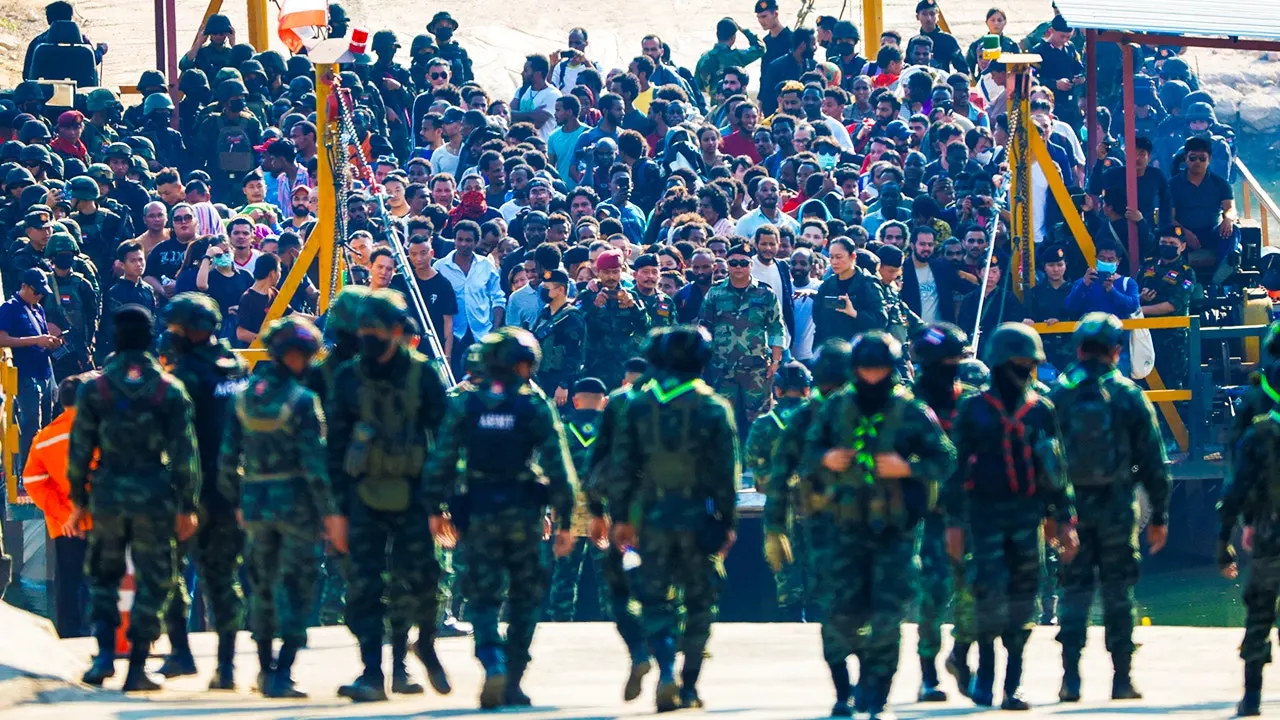
Despite the darkness that shrouds these fortified complexes along the Burmese border, moments of profound hope and dramatic rescue have shown what is possible when international communities join forces to confront this transnational plague. In a remarkable display of geopolitical cooperation, a joint task force consisting of Chinese, Thai, and Burmese law enforcement authorities launched massive, coordinated raids on several locked compounds, successfully liberating more than 7,000 trapped individuals. For many of these survivors, walking out of the heavily guarded gates was like waking from a living nightmare, as they were finally reunited with families who had spent months or even years mourning them as lost. Yet, the road to recovery for these survivors is incredibly long and steep, as the physical scars of their captivity are often surpassed by the profound psychological trauma of having been forced to destroy the lives of others online. These complex cross-border joint operations highlight the desperate need for continuous, synchronized international policing, as these elusive syndicates constantly shift their operations across fragile, war-torn borders where state authority is weakest.
Ultimately, the crisis unfolding in Burma serves as a poignant, urgent wake-up call to a world that has grown increasingly detached from the human cost of the technology we rely on every day. With the United Nations estimating that South Pacific cyber-scam operations alone drained an astronomical $114 billion from the global economy in just a single year, it is vital to recognize that this is not merely a financial or digital threat, but a profound humanitarian emergency. The vast sums of money stolen from unsuspecting families in the West are directly fueled by the tears, sweat, and blood of desperate young people held captive in the East. As countries grapple with legislative responses, police crackdowns, and diplomatic negotiations, the global community must carry forward the humanized perspective championed by organizations like the IOM. To truly dismantle this devastating cycle of exploitation, the world must look past the cold, sterile numbers of stolen billions and focus instead on rescuing the vulnerable souls trapped on both sides of the screen—ensuring that justice is directed at the wealthy syndicates pullings the strings, while safety, healing, and dignity are restored to their victims.