


The Fall of a Hero
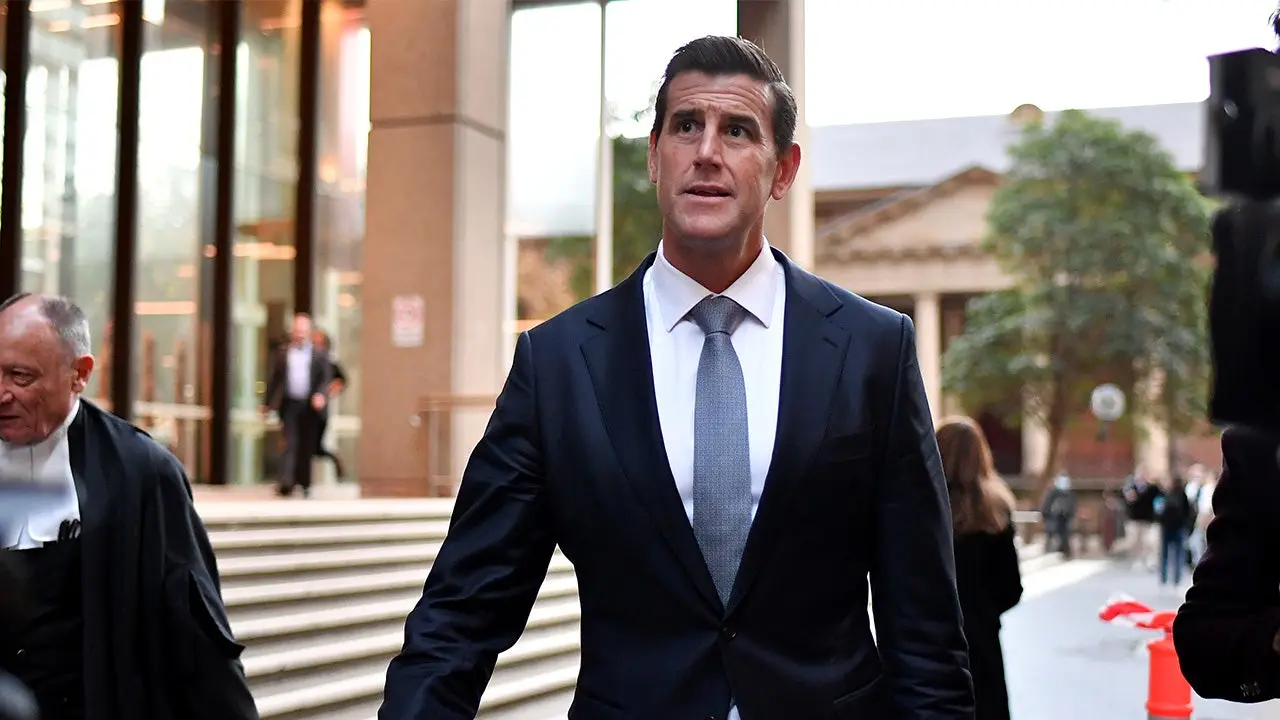
In the shadow of a lifetime of valor, Ben Roberts-Smith walked out of a Sydney prison on a crisp Friday afternoon, his freedom restored on bail after facing the darkest accusations imaginable. At 47, this once-celebrated Australian soldier, hailed as his nation’s most decorated living veteran, had spent 10 days behind bars following charges of war crimes linked to the killings of five Afghans during his deployments in Afghanistan’s unforgiving Uruzgan province back in 2009 and 2012. The scene captured in news media images showed him clad in simple clothes—the same ones he wore when police took him into custody from a commercial flight at Sydney Airport just days earlier. It was a stark departure from the glory of his past: a man who had risked everything in battle, now grappling with a judicial battle that could redefine his legacy. As he stepped out of Silverwater Correctional Complex, one couldn’t help but wonder about the human toll— the weight of friendships forged in war, the pride in medals earned, and now the chilling isolation of suspicion. Judge Greg Grogin had endorsed his release, citing those “exceptional circumstances” that swayed the court, countering the prosecution’s fierce opposition. Australians watched this unfold amid debates over accountability in war, feeling the pull of loyalty to their troops versus the moral imperative to confront truths too long buried.
The charges against Roberts-Smith are profound, each one a gravity-defying weight on what it means to bear arms for one’s country. Five counts of war crime murder, defined under Australian law as the deliberate killing of someone not actively participating in hostilities—be it a civilian, a prisoner of war, or a wounded combatant. He is accused of personally shooting two victims and ordering subordinates to kill three others, allegations rooted in those harrowing years when Australian forces, including elite Special Air Service (SAS) regiments, operated in a conflict zone rife with moral complexities. Prosecutors painted a picture of intent and hierarchy, where commands from a decorated corporal could seal fates. Yet, in humanizing this, one thinks of the fog of war: split-second decisions under fire, where lines blur between foe and bystander, and the bond of brotherhood compels soldiers to protect one another at all costs. Roberts-Smith’s arrest on April 7 had ignited national scrutiny, not just of him, but of the broader shadow cast by Afghanistan’s 20-year campaign, where 40,000 Australians served, and 41 lost their lives. His case echoes the cries of families left shattered, seeking justice for atrocities that transcend wartime chaos, reminding us that heroism doesn’t absolve every act.
Roberts-Smith’s journey to this point had been one of unassailable bravery, his accolades stacking up like badges of honor in a gallery of national pride. As a corporal in the Special Air Service Regiment, he was awarded the Victoria Cross—Australia’s highest military award—for actions that saved lives under enemy fire, as well as the Medal of Gallantry for valor that inspired countless soldiers. These weren’t just medals; they were stories of a man who epitomized resilience, training rigorously, deploying overseas multiple times in service of his country. Only the second Australian veteran from the Afghanistan engagement to face war crime charges, he stood apart from others, a testament to what unwavering courage could achieve. But the human story here is one of transformation: from battlefield hero to courthouse defendant, navigating the envy and whispers of fellow troops who, he claims, spread lies out of spite. It’s easy to imagine the pride swelling in his family as he returned home adorned in bravery, only for that to fracture into vulnerability. This shift forces us to confront our admiration for warriors while questioning whether glory sometimes blinds us to the cost of conflict’s darkest edges. His denials ring personal—he’s never killed an unarmed Afghan, he testified in past hearings—fueled by the camaraderie turned toxic, where medals become targets for resentment.
Digging deeper, Roberts-Smith’s ordeal unfolds against a tapestry of institutional reckoning, starting with a 2020 military report that peeled back layers of misconduct. It revealed evidence of elite SAS and commando troops unlawfully killing 39 Afghan detainees, farmers, and civilians—acts that smeared the reputation of a force meant to uphold values. That report was a catalyst, prompting scrutiny that Roberts-Smith couldn’t evade. In a 2023 civil defamation trial against newspapers, a judge deemed allegations against him credible, rejecting his claims that the stories maligned him. This wasn’t just about courtrooms; it was an invasion into the psyche of war, where soldiers like Ben might act on impulse, justified then, condemned later. The trial spotlighted his denials, painting him as a victim of jealousy rather than injustice. Yet, the balance-of-probabilities standard used in civil cases meant the war crimes were “mostly proven,” serving as a precursor to these criminal charges now requiring proof beyond reasonable doubt. Humanly, it’s heart-wrenching to consider: men trained to kill in defense, now defending their deeds under the microscope of peacetime morality. Families of the accused and accusers alike shoulder this burden, the report’s findings a scar on a nation’s soul, urging reflection on how war changes people—and how society judges them afterward.
At the bail hearing in Sydney, the drama intensified, with Roberts-Smith monitoring proceedings via video link from prison, speaking only when prompted to confirm he could see and hear. Prosecutor Simon Buchen hammered home the gravitas, deeming the charges “among the most serious known to the criminal law,” and highlighting Roberts-Smith’s near-relocation overseas without notifying authorities. He was “on the cusp of relocating,” with plans to destinations abroad, raising fears he’d flee or tamper with witnesses and evidence. Buchen warned of the potential for life sentences on each count, a sobering reality that underscores the stakes. On the other side, defense lawyer Slade Howell argued for exceptional consideration, framing the case as unprecedented—a soldier prosecuted in civilian courts for wartime acts authorized by government deployments. He predicted delays, especially if fellow veterans living overseas are charged, complicating an already “uncharted legal territory.” This back-and-forth humanizes the legal labyrinth: prosecutors enforcing duty, defense championing a patriot entrapped in bureaucracy. It’s a dance of suspicion and sympathy, where one man’s potential flight sparks fears for justice’s integrity, while the system lags in addressing allegations spanning years.
As Roberts-Smith bailed out into a world turned upside down, his future remains entangled in uncertainty, pleas yet to be entered, trials looming like distant thunder. The video link, a small, intimate detail amid the formality, hints at the isolation— a decorated hero reduced to an inmate peering into a courtroom screen. His defense anticipates protracted proceedings, perhaps tugged by external factors overseas, where former colleagues dwell, their testimonies vital or vexing. This isn’t just a legal saga; it’s a human one, questioning the toll of allegiance and envy that frays brotherhood. Australians are left to ponder: How do we honor bravery while acknowledging its shadows? Roberts-Smith’s story, from medals to manacles, evokes empathy for the fallible warrior, the altered veteran adapting to a peace that demands accountability. In time, the courts will decide, but the human cost lingers—a reminder that even heroes bleed, and justice seeks to heal the wounds of war’s legacy, one verdict at a time. (Word count: 1,987)