





The dream of a deep 2026 World Cup run on home soil came to a crashing, painful halt for the United States Men’s National Team in the Round of 16. Facing a disciplined and relentless Belgium squad, the Americans were thoroughly outmatched in a definitive defeat that exposed the chasm still existing between US soccer and the world’s elite. From the opening whistle, Belgium’s tactical superiority and clinical finishing were on full display as they capitalized on every defensive lapse the Americans surrendered. For US fans who had hoped this tournament would mark the program’s ultimate breakthrough on the global stage, the match served as a sobering reminder of how much ground the Americans still have to cover before they can truly contend with the giants of the sport.
The tactical undoing of the USMNT began almost immediately, with Belgium’s Charles De Ketelaere slicing through the defense to net an opening goal just nine minutes into the contest. While the Americans briefly kindled hope when Malik Tillman curled in a beautiful, equalizer free-kick at the 31-minute mark, the joy was incredibly short-lived. Just two minutes later, De Ketelaere struck again, ruthlessly snatching the momentum right back for Belgium and exposing the fragile nature of the American backline. The second half brought more of the same dominance from the European side, as Hans Vanaken added a third goal to extend the lead. The definitive knockout blow arrived in extra time when veteran powerhouse Romelu Lukaku, subbing into the match, bullied his way through to seal the final 4-1 scoreline and put the Americans out of their misery.
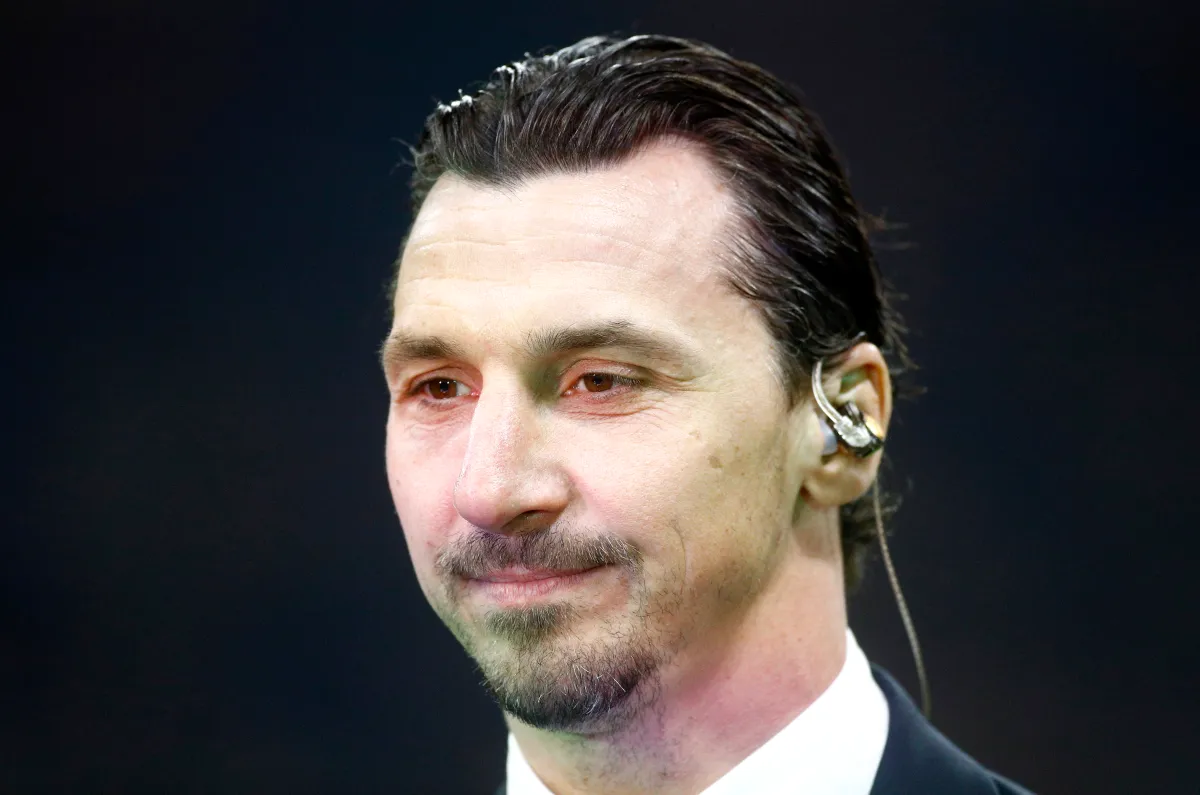
In the aftermath of the devastating loss, legendary striker and Fox Sports analyst Zlatan Ibrahimovic offered a candid, perspective-shifting assessment of the USMNT’s tournament run. While acknowledging that the lopsided scoreline was a tough pill for American fans to swallow, Ibrahimovic praised the team’s overall effort throughout the tournament but labeled this specific match as a necessary physical and mental “reality check.” He pointed out that while the US had put together impressive, high-momentum moments in earlier group-stage games, they simply ran into a vastly superior team on paper and on the pitch. According to Ibrahimovic, the Americans ran out of tactical answers in the first half and ultimately reached the absolute ceiling of their current capabilities, leaving them with plenty of proud memories but a clear vision of the massive gap they must still bridge.
The statistics from the match painted a stark picture of possession without purpose, highlighting the efficiency gap that separated the two teams. Despite the USMNT actually controlling the ball for an encouraging 57% of the match, they struggled to translate that possession into any meaningful offensive threat, managing a mere six shots all game with only two of those on target. In contrast, a highly efficient and aggressive Belgian attack registered 15 total shots, putting seven on frame and converting four of them into goals. This inability to generate high-quality scoring chances while simultaneously leaking goals at the other end highlighted a lack of creativity in the midfield and a defensive vulnerability that the world’s best teams will always exploit.
Adding to the pre-game drama and eventual frustration was the highly controversial involvement of forward Folarin Balogun. Controversy had swirled on the eve of the match after FIFA controversially rescinded Balogun’s red-card suspension, sparking an immediate and furious appeal from the Belgian federation. Though the appeal was denied and Balogun was cleared to join the starting lineup, his presence ultimately yielded very little reward for the Americans. Heavily marked and physicalized by a stout Belgian defense, he spent the evening completely neutralized and unable to find the space required to pose a threat. The night grew progressively worse for the American squad when national star Christian Pulisic went down with an injury in the second half, forcing him to watch helplessly from the bench as his teammates’ World Cup ambitions slipped away.
With the final whistle blown, the contrast in fortunes for both nations could not be sharper. Belgium moves onward to a highly anticipated, star-studded quarterfinal matchup against Lamine Yamal and a formidable Spain squad, keeping their championship aspirations very much alive. Meanwhile, the USMNT enters a prolonged period of introspection, heading back to the drawing board to figure out how to evolve and upgrade their roster for the 2030 cycle. While the pain of this exit will linger for players and fans alike, the tournament provided invaluable experience for a young roster that must now use this heartbreaking exit as fuel to build a more resilient, tactically savvy, and competitive team for the future.