






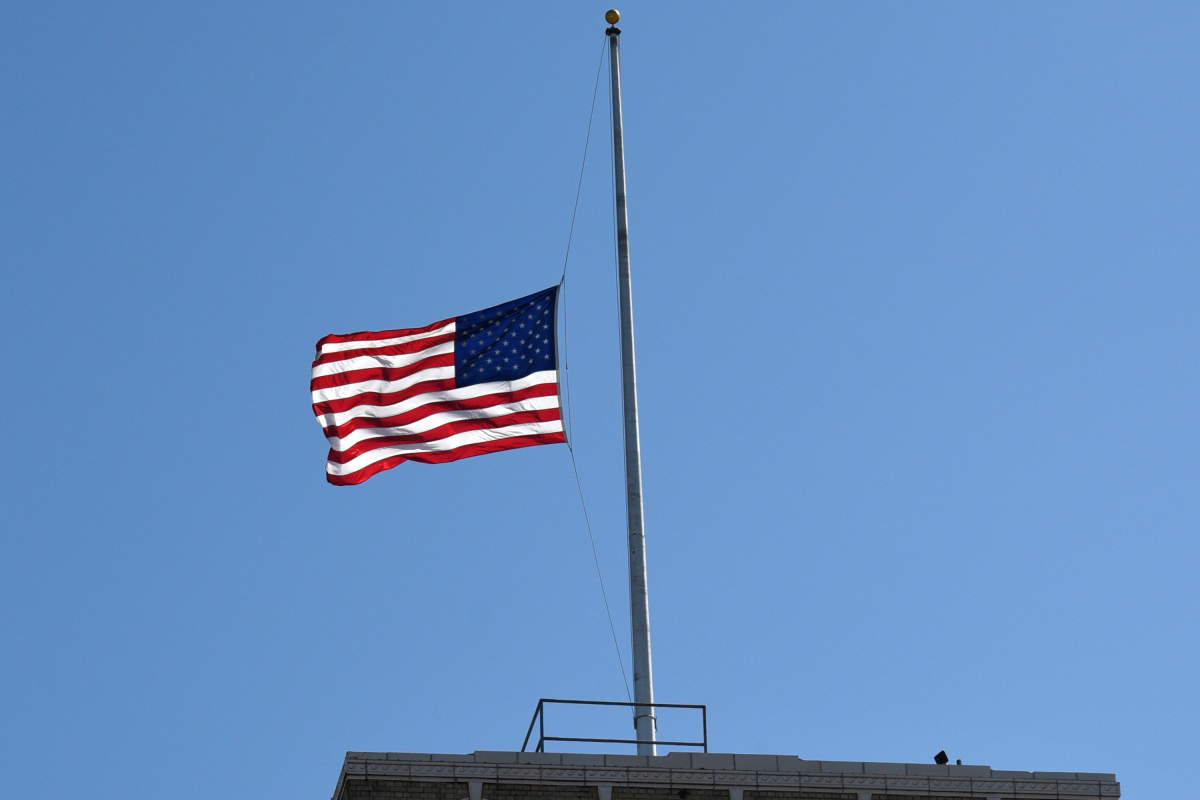
The American flag is more than a mere combination of dyed fabric and stitching; it is a living, breathing chronicle of the nation’s collective consciousness, rising in moments of triumphant celebration and falling in silent, shared grief. This week, across the historic Commonwealth of Massachusetts and the evergreen landscapes of Washington State, flags are flying at half-staff, transformed into quiet sentinels of mourning that command the attention of every passerby. This physical lowering of the colors is a profound visual pause in our fast-paced world, an invitation for communities to collective reflection and a raw acknowledgment of deep human loss. In these two disparate regions of the country, the governors have issued separate mandates that transcend mere bureaucratic protocol, reflecting instead the intimate heartbeats of communities mourning their champions. Here, the flags do not just honor abstract titles; they honor the lived experiences, the grueling sacrifices, and the daily devotion of three remarkable individuals who dedicated their lives to the service of others. From the bustling, politically charged corridors of Washington, D.C., to the smoke-filled, perilous active fire scenes of Boston, and onto the quiet, civic-minded legislative chambers of Olympia, these tributes weave together a tapestry of diverse public service. We are reminded that a nation’s strength is not found in its institutions alone, but in the sheer human will of those who choose to stand in the gaps—whether by drafting monumental financial reforms, rushing headlong into burning buildings, or patiently defending the delicate machinery of democratic voting access. As the wind catches these half-lowered banners against the changing spring skies, citizens are prompted to look upward, to contemplate the immense weight of the legacies left behind, and to recognize that the fabric of our society is held together by the quiet, enduring threads of individual courage and lifetime dedication to the common good.
In Massachusetts, the skies above historic Faneuil Hall will soon echo with the memories of a political giant whose razor-sharp intellect and fierce, uncompromising moral compass permanently reshaped the legislative landscape of the United States. Former U.S. Congressman Barney Frank, who passed away at the age of eighty-six, was a legendary figure whose legacy is etched into the very foundations of modern American governance and civil rights. Representing the citizens of Massachusetts for over three decades, Frank was a master of legislative strategy, possessing a rare combination of policy brilliance and biting humor that could disarm opponents and rally allies in equal measure. In 1987, during an era defined by deep societal prejudice and the devastating shadow of the HIV/AIDS epidemic, Frank made the historic and incredibly courageous decision to voluntarily come out as gay, becoming the first member of Congress to do so. This act of profound personal vulnerability was a watershed moment in American history, shattering barriers and humanizing the struggle for LGBTQ+ equality within the highest levels of federal power. Decades later, during the catastrophic global financial crisis of 2008, Frank rose to the occasion once again, serving as the co-architect of the landmark Dodd-Frank Wall Street Reform and Consumer Protection Act, a sweeping piece of legislation designed to protect ordinary citizens from predatory financial practices and prevent future systemic economic collapses. Even as he transitioned out of public office and entered his twilight years, his brilliant mind remained restlessly engaged with the world, as he spent his final chapters dissecting the complicated rise of modern populism and warning of the ongoing challenges facing liberal democracy. To remember Barney Frank is to remember a man who refused to be a bystander to history, choosing instead to use his voice as a powerful instrument of justice, proving that political courage can indeed bend the moral arc of the universe toward equality.
Flying alongside the tributes to a legislative titan, the flags in Massachusetts also droop with deep, localized sorrow for a local hero whose bravery was measured not in speeches, but in his willingness to risk everything for his neighbors. Boston Firefighter Robert “Bobby” Kilduff Jr. represented the very soul of the city’s frontline protectors, carrying forward a proud, generational legacy as a third-generation firefighter who understood that answering the call was not just a job, but a sacred family calling. For twenty-four years, Kilduff walked into the firehouses of Boston with the quiet confidence of a seasoned United States Marine veteran, bringing with him a magnetic presence and an infectious energy that his colleagues described as being far larger than life itself. When a devastating, fast-moving blaze erupted in the neighborhood of Dorchester, Kilduff did what he had always done—he put himself in harm’s way, ultimately suffering a fatal fall in the line of duty that left an irreparable void in the hearts of his two adult children and his sprawling firefighting family. Bobby was the kind of person who intuitively knew when someone was struggling, the first to lend a hand, and the last to ever ask for recognition, embodying a selflessness that defined the tight-knit brotherhood of the fire service. In the heartbreaking days following his sudden passing, the true impact of his life became visible as a massive wave of solidarity swept through the region, with firefighters traveling from every corner of the United States and Canada to pay their respects to a man who had dedicated his life to maintaining the dignity of others’ final send-offs. His colleagues, speaking through tears, noted that whenever tragedy had struck the department in the past, Bobby was always the anchor who guided them through the darkness, making it their solemn duty to ensure he receives the hero’s farewell he so richly deserved.
The decision by Massachusetts Governor Maura Healey to merge these two distinct observances into a singular, extended period of statewide mourning serves as a beautiful and poetic reminder of the diverse nature of public service. From May 20 through June 8, the state’s flags will remain lowered, bridging the gap between the national policymaker who worked in the halls of Congress and the local firefighter who patrolled the streets of Boston. On the surface, Barney Frank and Bobby Kilduff Jr. walked vastly different paths in life, operating in entirely different spheres of influence and utilizing different talents to serve their fellow citizens. Yet, the joint executive order forces us to look past these external differences and recognize the fundamental, unifying truth that both men laid their lives, their energy, and their safety on the line for the greater community. One fought to protect the economic security and human rights of millions through the power of written law, while the other fought to protect individual families from the physical elements of destruction in the dead of night. By extending the half-staff order until Frank’s memorial service in June, which follows Kilduff’s traditional interment, the state ensures that neither sacrifice is overshadowed, allowing both legacies to stand shoulder-to-shoulder in the public consciousness. This period of quiet reflection highlights the delicate ecosystem of a functioning society, which requires both the macro-level visionary and the micro-level protector to thrive and endure. As citizens look up at the lowered flags during their daily commutes, they are invited to appreciate this beautiful synthesis of service, realizing that a community is built both by the laws that govern it and by the brave souls who defend it from physical harm, creating a legacy of safety and progress.
Meanwhile, on the opposite side of the country, the misty skies of Washington State are filled with a similar spirit of solemn remembrance as communities gather to honor the remarkable life of former State Senator Sam Hunt. Passing away at the age of eighty-three after a courageous and dignified battle with leukemia, Hunt left behind a profound legacy of quiet leadership, untarnished integrity, and deep administrative wisdom that spanned nearly half a century of active public life. Long before he walked the corridors of the state capitol in Olympia, Hunt began his journey of service as a dedicated schoolteacher, instilling the values of curiosity and civic responsibility in the minds of the next generation before stepping into local government as a councilmember and mayor pro tempore. When he eventually transitioned into state politics, serving first in the House of Representatives and later in the Senate, he channeled his passion for the democratic process into becoming one of the state’s foremost champions of voting rights and election modernization. Hunt believed with every fiber of his being that a healthy democracy is one where every eligible citizen has a voice, and he worked tirelessly to break down barriers to the ballot box while ensuring the absolute security and fairness of the voting system. Beyond his legislative achievements, however, it was Hunt’s extraordinary character that endeared him to everyone he met, earning him the deep respect of political allies and fierce ideological opponents alike. In an era often characterized by bitter partisan hostility, Hunt remained a refreshing beacon of civility and warmth, with Republican colleagues like Senator Drew MacEwen publicly expressing profound respect for his character and celebrating a friendship that easily transcended political divides. To his loving family, who described him as an irreplaceable husband, father, and grandfather, his loss is immeasurable, but his quiet, steady example of kindness and public decency will continue to illuminate the path forward for Washington State.
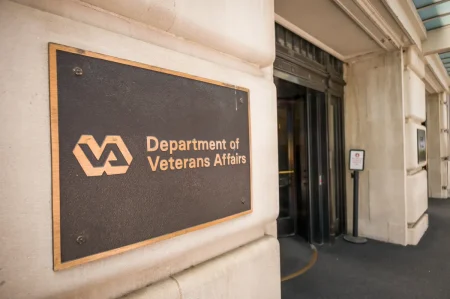
The complex, highly synchronized rituals that govern the handling of the flag during these periods of statewide half-staff are not merely rigid guidelines, but are themselves a beautiful, physical manifestation of our psychological transition through grief. According to the strict protocols outlined by the U.S. Department of Veterans Affairs, a flag must never simply be raised halfway; instead, it must first be hoisted briskly and triumphantly to the very top of the staff before being slowly, deliberately lowered to the middle position. This initial, rapid ascent is a deliberate celebration of the peak of the individual’s life—a vivid visual reminder of their achievements, their vitality, their laughter, and the full height of their service before they were taken from us. Only after we have acknowledged this highest point of their humanity do we allow the flag to descend into the heavy, quiet space of half-staff, where it hangs in solidarity with our earthly sorrow and collective mourning. At the end of each day, the protocol reverses, requiring the flag to be raised once more to the peak of the pole before it is completely lowered for the night, a symbolic gesture suggesting that even in death, the final word belongs to their legacy of honor rather than the tragedy of their departure. This beautiful, rhythmic choreography of wood, rope, and fabric serves as an active, daily promise that we will not allow the memory of Barney Frank, Bobby Kilduff Jr., or Sam Hunt to fade into the quiet background of history. By lifting them to the highest peaks of our collective memory before placing them in the quiet rest of history, we ensure that their examples of courage, selflessness, and integrity remain permanently etched into the soul of the nation, guiding future generations to serve with the same grace and devotion.