






The Big Island of Hawaii is globally renowned as a sanctuary of unparalleled natural beauty, a paradise where emerald volcanic landscapes meet the infinite blue of the Pacific Ocean, and where life typically moves at a serene, measured pace. In the rustic, close-knit district of Puna—particularly around the bohemian enclave of Pahoa—residents pride themselves on a lifestyle deeply connected to the land, defined by mutual trust, open doors, and a shared commitment to the spirit of aloha. Yet, this idyllic existence was abruptly shattered recently by a dark cloud of dread that descended upon the community, transforming their peaceful paradise into a landscape of fear and suspicion. News of three separate, violent deaths of elder community members trickled through the valleys and lava fields, sending shudders through a population unaccustomed to such profound tragedy. What was once an open community where neighbors watched out for one another suddenly felt isolated, as residents locked their doors and cast wary glances at the dense tropical foliage that borders their homes. The realization that a killer could be walking among them, utilizing the island’s rugged terrain to evade capture, created an atmosphere of palpable tension, turning the comforting rustle of palm fronds and the gentle evening breeze into sources of anxiety. This was not just a police investigation; it was a deeply emotional collective trauma for a peaceful island community that found its sense of security torn away in an instant, replaced by the harrowing reality that violence had penetrated their sacred sanctuary. As local authorities began to piece together the gruesome puzzle, the island was forced to confront a nightmare that seemed entirely incompatible with the gentle rhythm of life in Hawaii, leaving families and friends grieving in the shadows of the volcano. The chilling realization that peace could be so easily stolen ignited a quiet but fierce determination among the locals, who refused to let their beloved home be defined by the shadows of fear, even as they navigated the initial, overwhelming shock of the tragedy.
At the heartbreaking core of this tragedy are three lives abruptly and violently extinguished—men who had reached their twilight years, eras of life that should have been defined by rest, reflection, and the quiet enjoyment of Hawaii’s natural beauty. The stark, disturbing details of how their bodies were found speak to a cruelty that has shaken the entire island chain to its foundation. The first victim, a sixty-nine-year-old man, was discovered in a chillingly surreal scene, his body partially submerged in a quiet cement pond, a place that should have been a peaceful garden feature but instead became a monument to violence. Only a few hundred feet away, in an area that many would assume was safe and familiar, the body of a seventy-nine-year-old man was found, raising immediate and terrifying alarms that a predator was stalking the immediate vicinity. The horror of the situation deepened significantly when investigators discovered a third victim, another sixty-nine-year-old man, whose life was taken and left approximately nineteen miles away, suggesting a calculated path of destruction that spanned a vast geographical area of the Big Island. These three men were fathers, grandfathers, neighbors, and friends—men who had contributed to the fabric of their respective neighborhoods and whose absence leaves irreparable voids in the lives of those who loved them. The vulnerability of these elderly victims has struck a particularly sensitive nerve among local residents, who traditionally hold their kupuna, or elders, in the highest regard, viewing them as keepers of wisdom and the heart of the community. To have them targeted and taken in such a brutal fashion is a devastation that transcends the physical losses, challenging the community’s deeply held cultural values of respect, care, and protection for the elderly. The grief of their sudden loss reverberates through every household, as neighbors remember their friendly waves, their shared life stories, and the quiet dignity with which they lived their everyday lives.
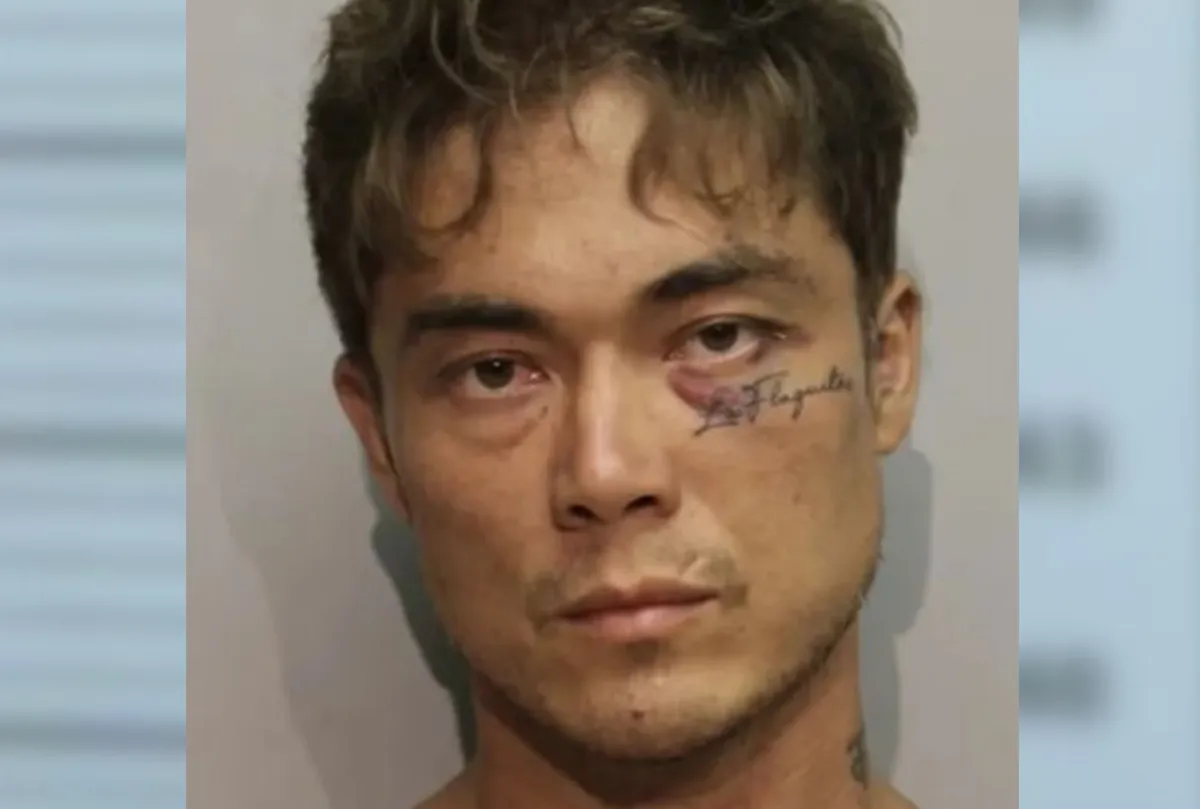
As fear threatened to paralyze the district, the lens of law enforcement focused sharply on a single local resident, thirty-six-year-old Jacob Daniel Baker of Pahoa. To many in the area, the realization that the suspected perpetrator of such heinous acts was one of their own—a younger man living within the very boundaries of the Pahoa community—was a bitter pill to swallow, adding a layer of betrayal to the ongoing grief. Baker, now facing a litany of severe charges including murder and burglary, quickly became the target of an intensive, highly coordinated manhunt that rallied resources far beyond the typical scope of local policing. The gravity of the situation required a massive, unified front, bringing together not only the dedicated officers of the Hawaii Police Department but also state resources and federal authorities who lent their specialized expertise to the pursuit. The sudden influx of tactical gear, sirens, and federal agents on the narrow, canopy-covered roads of Pahoa created a stark visual contrast against the backdrop of rural Hawaii, symbolizing the high-stakes battle to restore order and safety. For days, Baker’s name and face dominated local headlines, his photograph shared countless times on social media as terrified residents warned one another to remain vigilant and report any suspicious activity. The psychological weight of knowing that an alleged triple murderer was actively evading law enforcement in their own backyard drove the community into a state of hyper-vigilance, where every unfamiliar vehicle, every unusual sound after dark, and every locked door became a silent testament to the suspect’s disruptive impact on their daily lives. Families kept their children indoors, businesses adjusted their operating hours, and the usual evening strolling that define island life was suspended. The collective consciousness of the Big Island was completely consumed by the search for Baker, as people grappled with the disturbing question of how someone from their own community could be accused of committing such incomprehensible acts of violence against vulnerable elders, turning what should have been a peaceful home into a zone of high alert.
The manhunt itself was an arduous, exhausting endeavor, characterized by high-stakes tension and the relentless persistence of law enforcement personnel operating under extreme pressure. Searching for a fugitive on the Big Island is a logistical nightmare, given the complex and often treacherous geography of the region, which features dense rainforests, jagged lava fields, deep ravines, and vast swathes of uninhabited wilderness that provide countless places to hide. Officers, wearing heavy tactical gear under the humid tropical sun, worked tirelessly through the rugged terrain of Puna, knowing that every hour Baker remained at large was another hour the community remained in imminent danger. Overhead, the constant drone of police helicopters sliced through the warm island air, scanning the thick green canopy from above while ground crews, canine units, and tactical teams searched abandoned structures, dense thickets, and remote paths. The search was fueled by a sense of absolute urgency, as the specter of a killer on the loose cast a dark shadow over schools, businesses, and homes throughout the island. Neighbors stayed in constant communication, utilizing community forums and group texts to share updates, double-check on those living alone, and bolster one another’s spirits during a period of unprecedented anxiety. This collective solidarity became a crucial shield against the encroaching fear, as the people of the Big Island refused to let terror dictate their lives, instead channeling their nervous energy into absolute vigilance and cooperation with the massive law enforcement apparatus working to bring the nightmare to a swift and safe resolution. Every tip was investigated with utmost seriousness, and patrol cars lined the highways, creating a visible ring of security that sought to hem in the suspect and prevent any further tragedy. The pressure on the responding officers was immense, as they carried the weight of a terrified public on their shoulders, motivated by the singular goal of ensuring that no more innocent lives would be lost to the darkness that had descended so suddenly upon their beloved home.
The breakthrough that everyone had been praying for finally materialized on a tense Thursday afternoon, when the power of community vigilance and swift police action converged to bring the grueling manhunt to an end. The turning point came from alert members of the public, who spotted a suspicious figure matching Baker’s description behaving erratically in a grassy area adjacent to a local roadway, attempting to evade detection by ducking down low whenever traffic passed by. This crucial piece of intelligence was immediately relayed to the authorities, allowing Hawaii Police Chief Reed Mahuna and his dedicated team to quickly close in on the location with calculated precision. The dramatic climax of the search unfolded not in a high-speed chase, but in a quiet, claustrophobic hiding spot, as officers discovered Baker concealed within the dark recesses of a small, natural lava cave—a geological feature common to the volcanic island but now serving as a temporary, desperate hideout for a fugitive. The arrest was executed swiftly and without further bloodshed, a testament to the professionalism and restraint of the law enforcement officers who confronted a man suspected of extreme violence. As handcuffs clicked into place and Baker was escorted out of the darkness of the cave and into the bright Hawaiian sunlight, a wave of profound relief swept across the island, instantly dissolving the suffocating tension that had gripped the community for days. Chief Mahuna’s subsequent announcement of the capture was met with widespread gratitude from an exhausted population, signaling the end of a terrifying chapter and the beginning of a return to safety. For the officers who had worked sleepless shifts, the arrest was a hard-won victory; for the residents who had lived in fear, it was the moment they could finally take a deep breath and unlock their doors. The image of the suspect being led away in custody served as a powerful reminder that even in the face of deep terror, the collective resolve of a community united with law enforcement can overcome the darkest of threats, restoring order to a land that values peace above all else.
While the immediate threat has been neutralized with Baker’s arrest, the long and painful journey of healing and seeking justice is only just beginning for the grieving communities of the Big Island. The legal system will now take its course, as Baker faces the serious judicial consequences of his alleged actions, with prosecutors preparing a complex case to address the charges of murder, burglary, and other offenses that shattered three innocent families. Yet, beyond the courtroom walls, the true work lies in repairing the broken spirits of the victims’ loved ones and restoring the fundamental sense of safety and trust that has always defined life in rural Hawaii. The names and memories of the three elderly men must not be overshadowed by the violence of their endings; instead, the community is rallying to honor their legacies, ensuring that their lives are remembered with dignity, respect, and love. Vigils, community gatherings, and quiet moments of reflection are beginning to replace the fear-fueled conversations of the past week, as neighbors come together to support the bereaved families and reaffirm their commitment to one another and the spirit of aloha. This tragic episode has served as a stark reminder of the fragility of life, but it has also highlighted the indestructible resilience of the Big Island’s people, who have demonstrated that their bond is far stronger than any act of malice. As the island slowly heals, the memory of this dark time will undoubtedly linger, but so too will the memory of a community that stood strong together, refused to succumb to fear, and emerged from the crucible of tragedy more united, compassionate, and determined to protect one another than ever before. The physical scars on the landscape may fade, and the daily rhythms of life will eventually return to normal, but the lesson of this tragedy remains clear: the true strength of Hawaii lies not just in its beautiful scenery, but in the hearts of its people, who hold fast to their values of community, respect, and mutual care even in the face of the most unimaginable grief.