





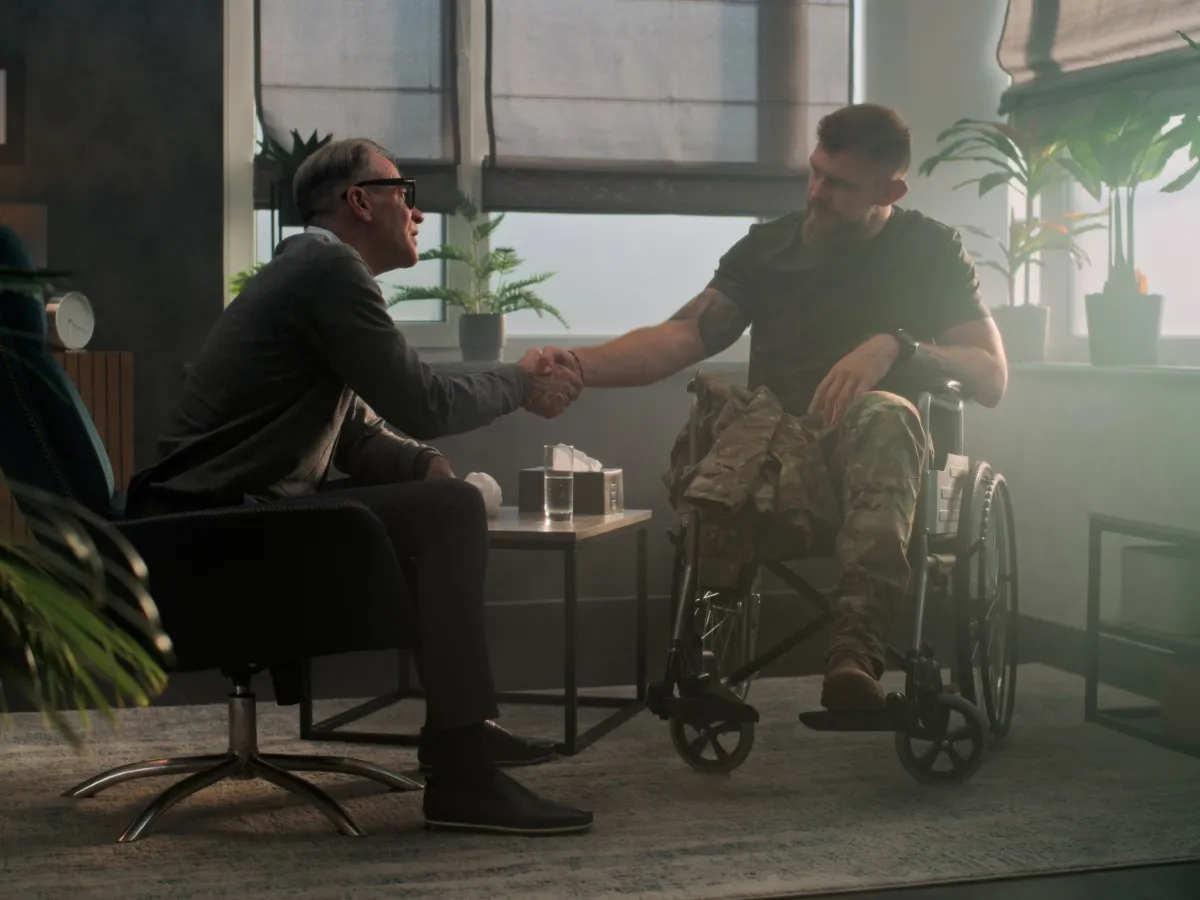
Navigating the aftermath of military service can be a daunting journey, especially when dealing with physical injuries or psychological scars like post-traumatic stress disorder. Historically, the path to securing earned disability and survivor benefits has been paved with daunting, multi-page obstacles. In a welcome move toward empathy and efficiency, the Department of Veterans Affairs (VA) recently announced a major initiative to slash the heavy paperwork burden currently facing veterans and grieving families. By simplifying the application process, the agency hopes to transform what has long been a source of bureaucratic frustration into a smoother, much more compassionate experience for those who have sacrificed so much for their country.
Under the leadership of VA Secretary Doug Collins, the agency is tackling the red tape head-on by drastically shortening its standard forms. For those applying for disability compensation, the standard application is slated to shrink by two-thirds, dropping from a formidable fifteen pages down to just five. This change is expected to cut the average completion time from twenty-five minutes to fifteen. Even more dramatic is the relief planned for grieving families applying for Dependency and Indemnity Compensation (DIC). Their application will be reduced from a staggering twenty pages to just seven, sparing grieving relatives the exhaustion of a forty-minute form and allowing them to complete it in about twenty-five minutes. Secretary Collins emphasized that no veteran or surviving family member should ever have to face unnecessary bureaucratic hurdles to receive the benefits they have rightfully earned, reaffirming the agency’s commitment to placing families first.
These proposed revisions target two of the VA’s most critical lifelines: disability compensation and survivor benefits. Disability compensation provides essential, tax-free monthly payments to veterans struggling with service-connected physical or mental health conditions, while DIC offers vital financial support to the families of those who made the ultimate sacrifice. Currently, the VA is inviting the public to share their thoughts on these changes. If the proposals are approved after the public comment period, these streamlined, user-friendly forms are projected to be officially rolled out and ready for use by December 2026. This timeline represents a concrete goal toward modernizing a system that has historically struggled to keep pace with the needs of the community it serves.
This push for administrative simplicity arrives at a moment of intense legislative activity and debate surrounding how America cares for its heroes. In Congress, lawmakers are currently advocating for several high-profile veterans’ benefits bills. Among the most notable is a proposed piece of legislation that could grant eligible claimants up to $150,000 in compensation. Additionally, the “Take Care of America’s Veterans Act” is gaining traction. This extensive bill seeks to broaden healthcare and financial benefits not only for disabled veterans but also for the devoted caregivers, military survivors, and families who support them, representing a potential sea change in how veterans’ welfare is managed nationwide.
To understand the impact of these changes, it is helpful to look at the current rigorous criteria required to qualify for VA disability benefits. To be eligible, a veteran must struggle with a current illness, injury, or mental health condition—ranging from chronic back pain and severe hearing loss to cancers, depression, and PTSD—linked directly to their active, inactive, or training service. The applicant must prove that they became sick or injured during their service, that an existing condition was worsened by their time in the military, or that they developed a service-related disability that only manifested after their service concluded. This process requires clear documentation, connecting the dots between their medical reality today and their past service.
Today, securing these benefits remains a complex process that demands more than just filling out the primary application, currently known as VA Form 21-526EZ. To build a successful claim, veterans must gather a mountain of supporting evidence. This often includes official VA medical and hospital records, private civilian doctor reports, and deeply personal written statements. These corroborating accounts come from family members, close friends, law enforcement officers, or fellow service members who can vouch for the veteran’s struggles. By shrinking the primary forms, the VA is taking a crucial first step toward easing the psychological and administrative weight carried by veterans and their families as they gather this vital evidence to secure their future.