





For decades, the sun-drenched shores of Crimea served as a coveted sanctuary, a place where generations of families escaped the harsh realities of daily life to bask in the warmth of the Black Sea. Under the canopy of azure skies, children laughed in seaside summer camps, and tourists filled the bustling boardwalks, viewing the peninsula not as a geopolitical flashpoint, but as a haven of peace, nostalgia, and natural beauty. Today, however, that postcard image has violently shattered, replaced by the grim and tense atmosphere of an active combat zone. In a sobering admission of the creeping dangers of the war, the Kremlin-aligned governor of Crimea, Sergey Aksyonov, announced a total suspension of all children’s summer camps and tourist activities until September. The move is a heartbreaking blow to the ordinary citizens and families who clung to the illusion of normalcy amidst the ongoing conflict. With the stroke of a pen on Telegram, the vibrant energy of the summer season was extinguished, replaced by an eerie quiet. For the locals whose livelihoods depend entirely on the seasonal influx of visitors, this decision is not merely a logistical adjustment; it is an economic catastrophe and a psychological reckoning, signaling that the safety once promised by Russian authorities is rapidly evaporating.
This sudden freeze on civilian life is the direct consequence of a highly coordinated, relentless Ukrainian military offensive designed to sever Crimea’s ties to the Russian mainland and choke its strategic viability. Kyiv’s forces are no longer merely defending their own sovereign lines; they have aggressively taken the fight to the annexed peninsula, utilizing highly sophisticated, medium-range drones to systematically dissect Russia’s logistical network. According to Ukrainian Defense Minister Mykhailo Fedorov, the overarching ambition is to effectively transform Crimea “into an island,” isolating it physically, militarily, and psychologically from the Russian Federation. This campaign is not limited to land-based supply chains; Ukraine has waged a remarkably successful and asymmetric war at sea, aggressively targeting Russia’s Black Sea naval fleet. By utilizing innovative sea drones and missile technology, Kyiv has managed to severely damage or destroy at least a third of this once-dominant naval force, forcing Russian warships to retreat from their traditional harbors. For the residents of Crimea, the psychological weight of this campaign is immense; the distant rumble of explosions and the sight of smoke rising from naval bases are constant, terrifying reminders that the water surrounding them is no longer a barrier of protection, but a theater of relentless hostility.
The consequences of these strikes have now seeped into the most basic elements of daily survival for the peninsula’s inhabitants, rendering the mundane acts of commuting and heating an agonizing struggle. Over the weekend, fuel pumps across Crimea ran completely dry for the civilian public, as Aksyonov declared that remaining gasoline reserves would be strictly rationed for government agencies and essential services. In Sevastopol, the region’s cultural and maritime heart, the Russian-appointed governor, Mikhail Razvozhaev, went even further, imposing a strict ban on fuel sales to private citizens for days on end, reserving what little remained exclusively for emergency vehicles. The physical landscape of the region has transformed overnight into a bleak, post-apocalyptic scene: all outdoor public events are banned, the glow of streetlights has been snuffed out to conserve power, and public transportation schedules have been aggressively slashed. For the average citizen, this means navigating darkened, silent streets in a state of suspended animation, wondering how they will get to work, how they will feed their families, or how they will flee if the conflict escalates further. The Kremlin’s press secretary, Dmitry Peskov, attempted to project strength by promising “intensive” state efforts to restore fuel supplies and counteract what he labeled as the “barbaric actions” of the Kyiv regime, but official rhetoric offers cold comfort to people shivering in the dark, waiting in endless queues for basic necessities.
At the heart of this escalating crisis lies the unresolved wound of the 2014 annexation, when Russia illegally seized and claimed Crimea under the guise of historical destiny, a move that the international community and Ukraine have never recognized. For Kyiv, reclaiming Crimea is not just a territorial objective; it is a moral imperative, a non-negotiable symbol of national sovereignty and the restoration of international law. Conversely, for Moscow, the peninsula has been framed as a crown jewel of modern Russian power, a symbol of national pride personally heralded by President Vladimir Putin, who famously inaugurated the multi-billion-dollar Kerch Bridge in 2018 to physically anchor the territory to Russia. Consequently, control over Crimea has become the absolute thorniest, most intractable issue preventing any realistic prospect of peace negotiations between the two warring nations. What was once celebrated by Russian state propaganda as an unbreakable, eternal union is now a heavily fortified, vulnerable outpost. As the battlefield dynamics shift, the civilian population finds itself trapped in the crossfire of these two unyielding national narratives, where a land once cherished for its beauty is now treated as the ultimate prize in a devastating war of attrition.
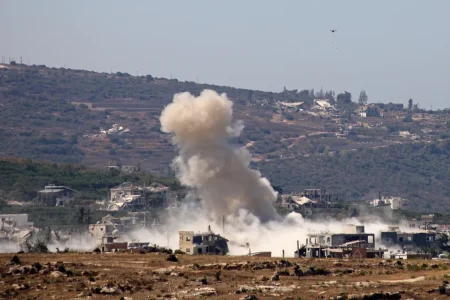
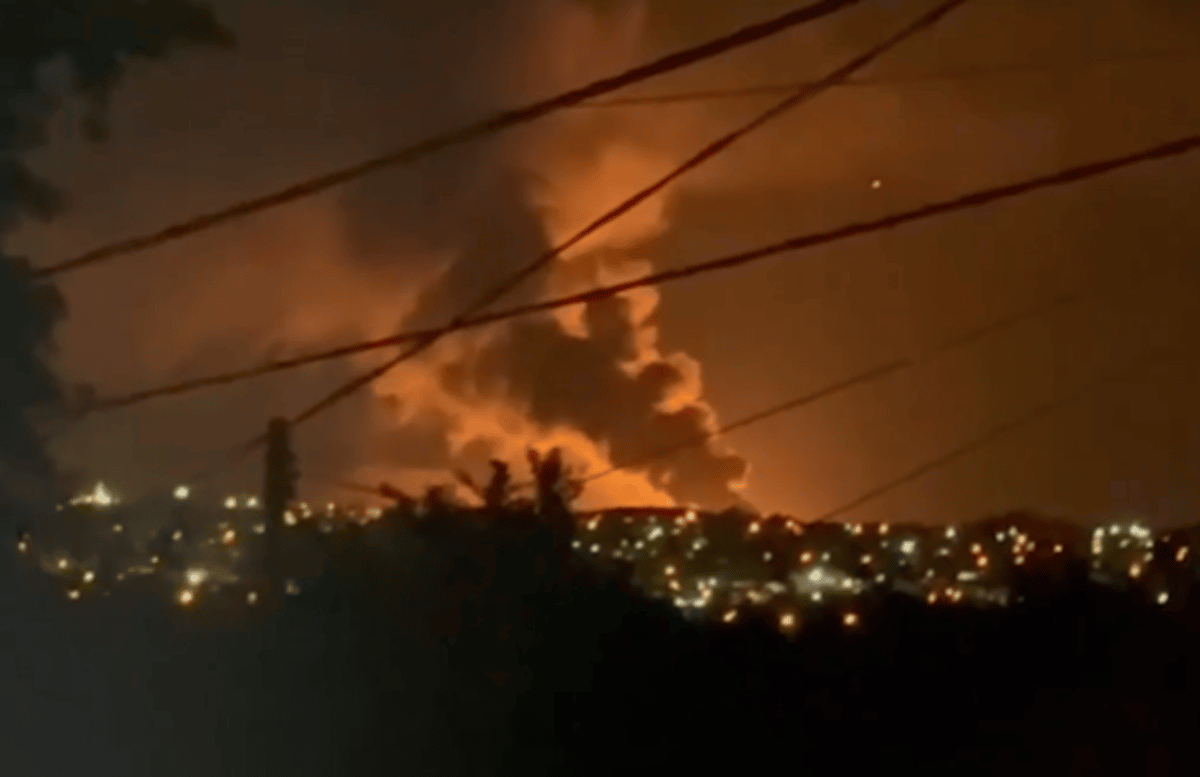
The physical manifestation of this struggle reached a dramatic climax over the weekend when Ukrainian forces launched a devastating series of coordinated strikes directly targeting the critical lifelines connecting Crimea to the Russian mainland. The focus of the assault was the immediate vicinity of the legendary Kerch Bridge, a structure that is as much a propaganda target as it is a vital military artery. Ukrainian military operations successfully struck two major oil storage facilities and disabled four advanced Russian air defense radar systems designed to shield the peninsula from incoming threats. The destruction spilled over into the Krasnodar region on the Russian side, where the strategic Kavkaz oil port was severely compromised, and three vital car ferries used to transport heavy military hardware and troops were filmed burning in the water. By taking out these ferries and crippling the port, Ukraine has effectively severed the primary alternative supply route that bypassed the heavily guarded bridge. These strikes are more than just tactical victories; they are a public demonstration of Russia’s vulnerability, stripping away the illusion of impenetrable airspace and showing that even the heavily defended gateways to the peninsula can be shattered at will.
In the wake of these audacious operations, Ukrainian President Volodymyr Zelensky stood firm, framing the strikes not as wanton acts of aggression, but as a “just response” to the relentless and devastating bombardments that Russia has visited upon Ukrainian cities and civilian infrastructure for over two years. This moral framing highlights the tragic, cyclical nature of the conflict, where every action invites a reaction, and the boundaries of the battlefield continue to expand. For the people of Crimea, who once lived in a peaceful regional enclave far removed from the front lines, the war has finally arrived at their doorsteps. The closure of summer camps, the rationing of fuel, the darkness on the streets, and the smoke rising from the harbors are all symptoms of a territory being systematically starved of its connections to the outside world. As Crimea is slowly forced into the isolation of an island, the human cost of this geopolitical tug-of-war becomes painfully clear: a place built for leisure and life has been transformed into a stark theater of survival, leaving its residents to anxiously contemplate a future shrouded in darkness, uncertainty, and the relentless echoes of war.