




The Growing Mystery of Lost Experts
Imagine waking up each morning to headlines that feel like a chilling thriller, where brilliant minds—scientists who’ve unlocked the secrets of space, defense, and nuclear energy—vanish or turn up dead in what appears to be a string of isolated tragedies. That’s the reality gripping the U.S. right now, as reports have surfaced about numerous experts in these cutting-edge fields meeting unfortunate ends or simply disappearing without a trace. Families are left in anguish, searching for answers, while online forums buzz with theories ranging from espionage to something more sinister. The White House, no stranger to high-stakes investigations, has confirmed it’s diving deep into this troubling puzzle. They’re teaming up with all relevant agencies and the FBI to review these cases holistically, leaving no question unanswered. It’s a commitment that underscores the gravity of the situation, turning what might seem like coincidences into a national concern that demands attention. For those affected, the uncertainty is heartbreaking—friends and colleagues grappling with a sense of terror and suspicion, wondering if their line of work has made them targets.
Voices from the Top: Reactions and Reassurances
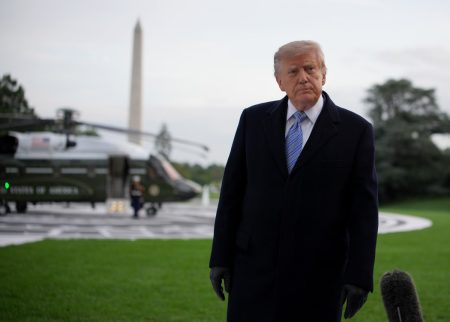
In the midst of this unease, White House Press Secretary Karoline Leavitt took to social media on a quiet Friday to reassure the public: “No stone will be unturned in this effort.” Her words echoed a sense of urgency that many have been craving, following weeks of mounting speculation. Before this public statement, she’d hinted at the Trump administration’s intent to investigate after a reporter brought the disturbing cases to light during a press briefing. Lawmakers, echoing widespread concerns, have been vocal too, calling for stricter scrutiny into these incidents, which include the shocking disappearance of a retired Air Force general and the tragic killing of a prominent astrophysicist. President Donald Trump himself weighed in, describing the situation as “pretty serious stuff” during a candid chat with reporters. He admitted hoping the cluster of deaths and vanishings were nothing more than random misfortunes, but acknowledged, “We’re going to know in the next week and a half.” With some of these individuals being key players in America’s defense and exploration efforts, the stakes feel impossibly high—people are not just numbers; they’re innovators who dreamed of stars and safeguarding the nation, now reduced to mysteries that haunt the halls of power.
Unpacking the Cases: A Pattern in the Shadows?
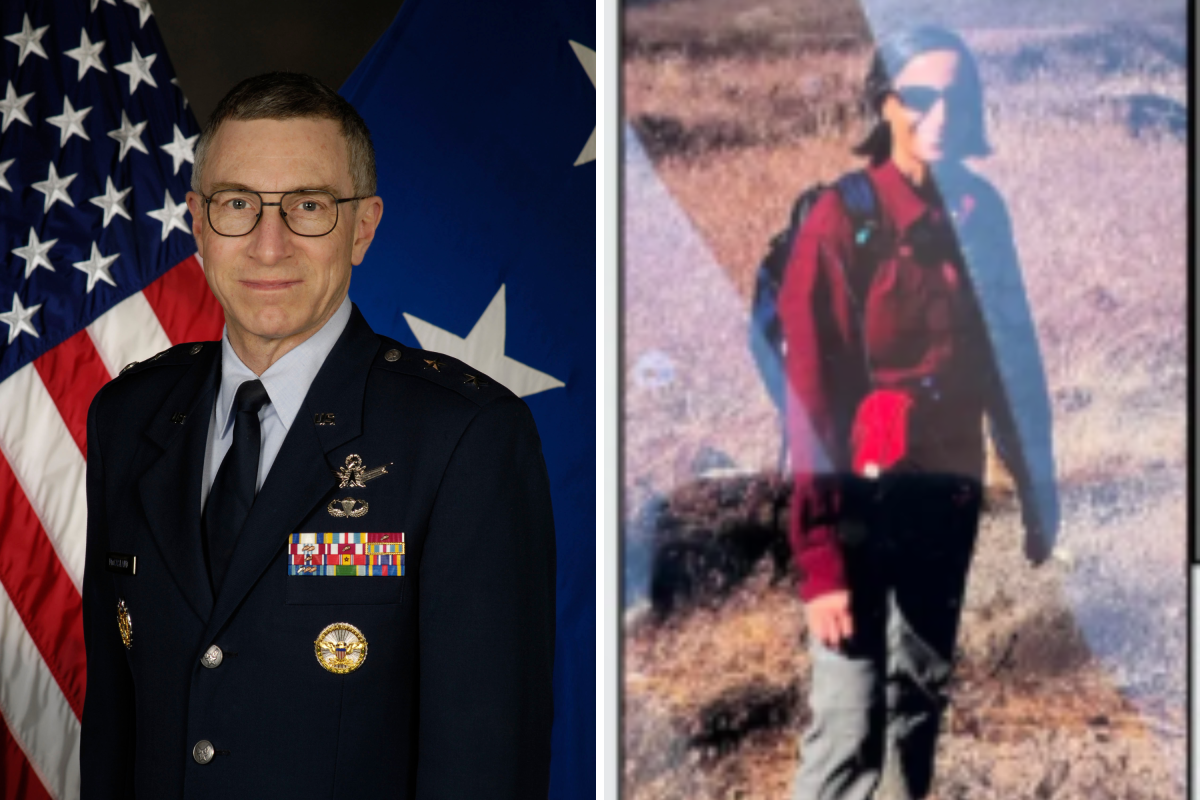
As the White House promises a thorough review, they’re pledging to uncover any common threads among these cases, emphasizing President Trump’s dedication to transparency. This holistic approach might reveal whether these events are linked by more than just fate, perhaps through shared backgrounds in sensitive research or unusual circumstances surrounding their departures. Authorities haven’t publicly connected the dots yet, but the timeline is stark: starting from 2022, a series of incidents has unfolded, each more puzzling than the last. Retired Air Force general William Neil McCasland was last spotted in Albuquerque, New Mexico, on February 27, 2026, his trail going cold while the nation wondered about his extensive military ties. Similarly, aerospace engineer Monica Reza disappeared during a routine hike in California back in June 2025, leaving loved ones devastated and speculating about foul play. Online sleuths have amplified these stories, pointing to broader patterns, but for now, it’s the accumulation of these losses that chills the bone—each person a pillar in their field, now part of a haunting narrative that refuses to leave the headlines, stirring fears that something coordinated might be at play beneath the surface.
Lives Interrupted: Stories from the Lost List
Diving into the human side of these tragedies, we see faces beyond the headlines—individuals with families, passions, and dreams stretched toward the cosmos. Take Amy Eskridge, a 34-year-old scientist passionately researching anti-gravity technology, whose life ended in a reported self-inflicted gunshot in Alabama in 2022. Reports suggest she had voiced deep concerns about her safety beforehand, painting a picture of a woman under invisible pressures, perhaps haunted by the implications of her work. Then there’s Michael David Hicks, a NASA researcher instrumental in milestones like the DART Project and Deep Space 1, who passed away on July 30, 2023—his contributions to planetary defense now standing as lasting legacies amidst the sorrow of his untimely loss. Frank Maiwald, another JPL principal researcher, died on July 4, 2024, his work in aerospace now tinged with mystery. Further down the timeline, Anthony Chavez vanished from his life as a former Los Alamos National Laboratory employee in May 2025, Monica Reza in June 2025 amid her hike, Melissa Casias—an administrative worker at the same lab—in June 2025, and Steven Garcia, a government contractor at the Kansas City National Security Campus, in August 2025. These aren’t just disappearances; they’re voids where vibrant lives once thrived, filled with late-night lab sessions, family barbecues, and aspirations for humanity’s future in the stars.
More Echoes of Tragedy and Lingering Questions
The list continues with heavy hearts, underscoring how these experts’ contributions touched the edges of what’s possible for humankind. Nuno Loureiro, director of MIT’s Plasma Science and Fusion Center, died on December 16, 2025, his fusion research aimed at clean energy now a poignant reminder of potential unfulfilled. Carl Grillmair, a Caltech astrophysicist behind NASA’s NEOWISE and NEO Surveyor missions, passed away on February 16, 2026, his quest to map near-Earth objects halted abruptly. William “Neil” McCasland’s disappearance in February 2026 as a retired major general adds a military dimension, while Jason Thomas, a pharmaceutical researcher found deceased on March 17, 2026, introduces questions about how diverse these fields truly are—or aren’t. Public interest has spiked, with reporting from outlets like the Daily Mail highlighting overlaps and reviving old cases, fueling a collective unease. Are these coincidences, as the president hopes, or signs of something orchestrated? It’s a question that resonates personally: for every scientist or engineer, there’s a spouse, children, or friends left with “what ifs,” turning this into a human drama rather than cold data points.
Looking Ahead: Hope Amid the Investigation
As the White House vows to provide updates as they emerge, there’s a glimmer of optimism that clarity will come swiftly, honoring the lives lost and protecting those still in the field. Karoline Leavitt’s promise that “no stone will be unturned” offers comfort, though the wait is agonizing for families clinging to hope. In the coming days or weeks, we might learn if these cases share threads—like patterns in locations, shared projects, or even external threats from abroad. For now, the human cost looms large: these aren’t mere headlines but stories of dedication cut short, urging us to reflect on the vulnerabilities of those who push boundaries for progress. President Trump’s call to “know in the next week and a half” injects a timeline into the uncertainty, reminding us that answers, when they come, will not just solve a mystery but potentially safeguard a nation’s brightest minds. Until then, the nation holds its breath, united in the human desire for truth and justice in the face of these unexplained shadows.