





As the United States approaches its historic 250th anniversary, Philadelphia is bursting with reflective energy, turning a proud spotlight onto the early chapters of the American story. While the monumental decisions of the Founding Fathers naturally dominate our textbooks, the city is also honoring the quiet, everyday heroes who helped shape the visual soul of a new nation. At the heart of this celebration is the legendary story of the American flag and the ordinary Philly resident traditionally credited with giving physical form to our country’s birth: Betsy Ross.
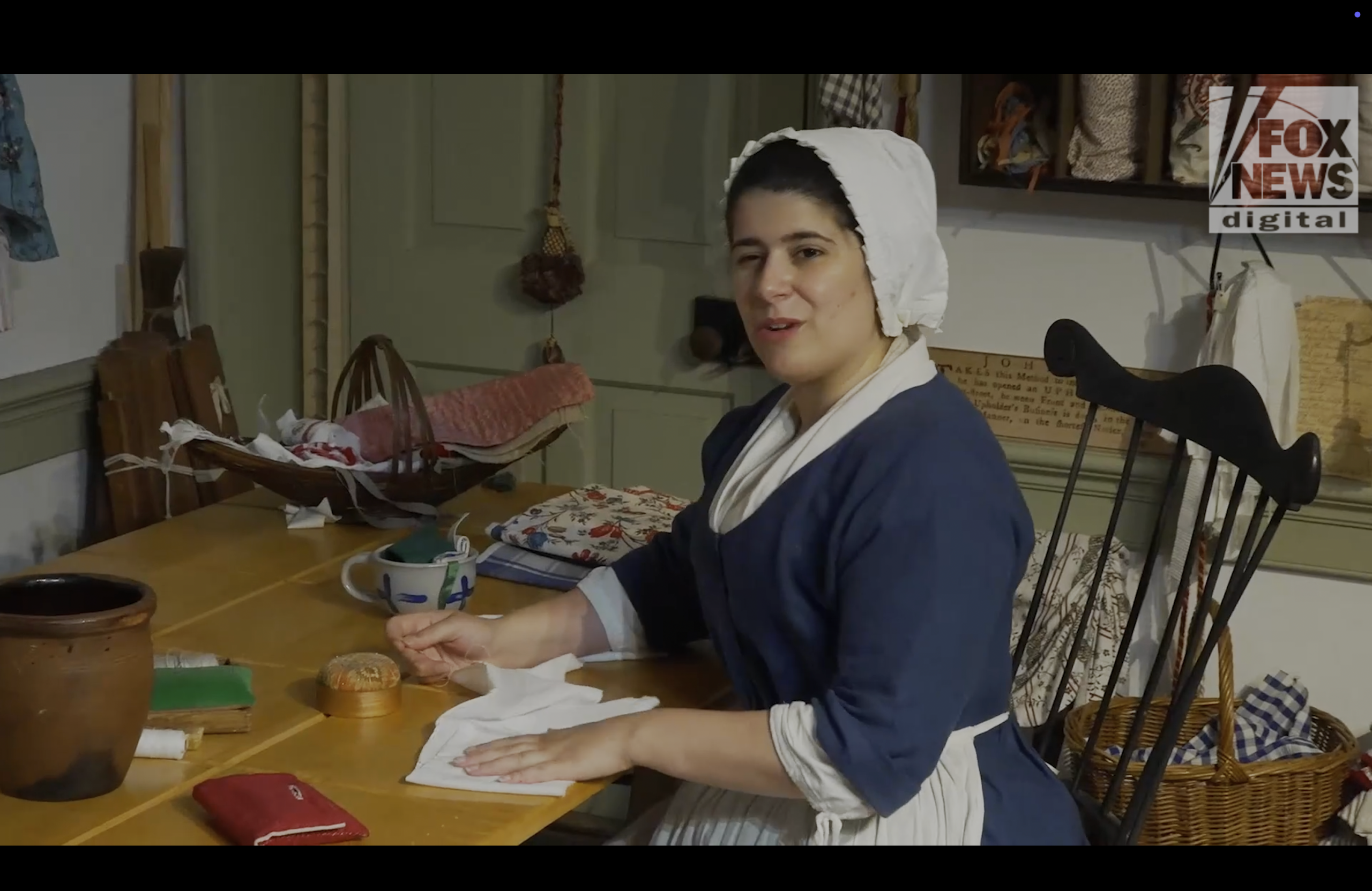
At just twenty-four years old, Ross was an independent upholsterer working to make a living in a rapidly changing city. According to cherished historic tradition, her life intersected with the birth of a nation in the summer of 1776, when a secret flag committee—rumored to have included George Washington himself—approached her to stitch a brand-new emblem. Though she had never crafted a flag before, she took on the challenge with practical confidence. During their meeting, Ross even suggested a brilliant design tweak, demonstrating how a quick, single snip of her scissors could easily turn a complex, six-pointed star drawn on their paper sketch into a perfect, elegant five-pointed star.
Taking on this project was not merely a matter of artistic craftsmanship; it was a quiet act of immense bravery. Because the colonies were still under British rule during that sweltering summer, creating a flag for a rebellious new coalition was considered an act of high treason. Working covertly by candlelight at night, Ross had to keep her efforts hidden from loyalist neighbors and British soldiers, knowing that discovery could lead to a grim fate in prison or even at the gallows. By the time the Continental Congress officially adopted the thirteen-stripe, thirteen-star design on June 14, 1777, her dangerous, quiet labor had cemented a legacy of resilience.
This hand-sewn banner, with its stars arranged in a circle to symbolize unity and equality among the colonies, represents far more than just military coordination. Lisa Acker Moulter, the director of the Betsy Ross House, emphasizes that Betsy’s story is a beautiful reminder that America’s founding was not solely the work of wealthy, powerful men in drawing rooms. Instead, it was built on the backs of ordinary citizens, immigrants, women, and both free and enslaved laborers who poured their lives and talents into the fabric of a budding democracy.
Interestingly, the flag we revere today did not immediately become the ubiquitous symbol of national pride we see on porches and schoolhouses. In its infancy, the flag was strictly utilitarian, used to identify military factions, forts, and naval ships. It wasn’t until the deep divisions of the Civil War decades later that the American flag truly transitioned into an emotional, widespread symbol of national unity, healing, and shared identity, finding its permanent home in the daily lives of everyday citizens.
As the flag evolved over the centuries, adding stars to welcome new states from Vermont to Hawaii, its core message of hope and unity has remained unbroken. Today, as Philadelphia gears up for the nation’s semiquincentennial, visitors from around the globe are returning to Betsy Ross’s humble home. In doing so, they find a deeply humanizing story of courage, reminding us that the grandest symbols of freedom often begin with the simple, brave actions of ordinary individuals working quietly in the dark.