





The Unlikely Alliance Reshaping America’s Environmental Future
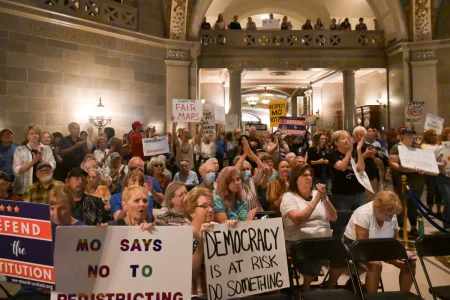
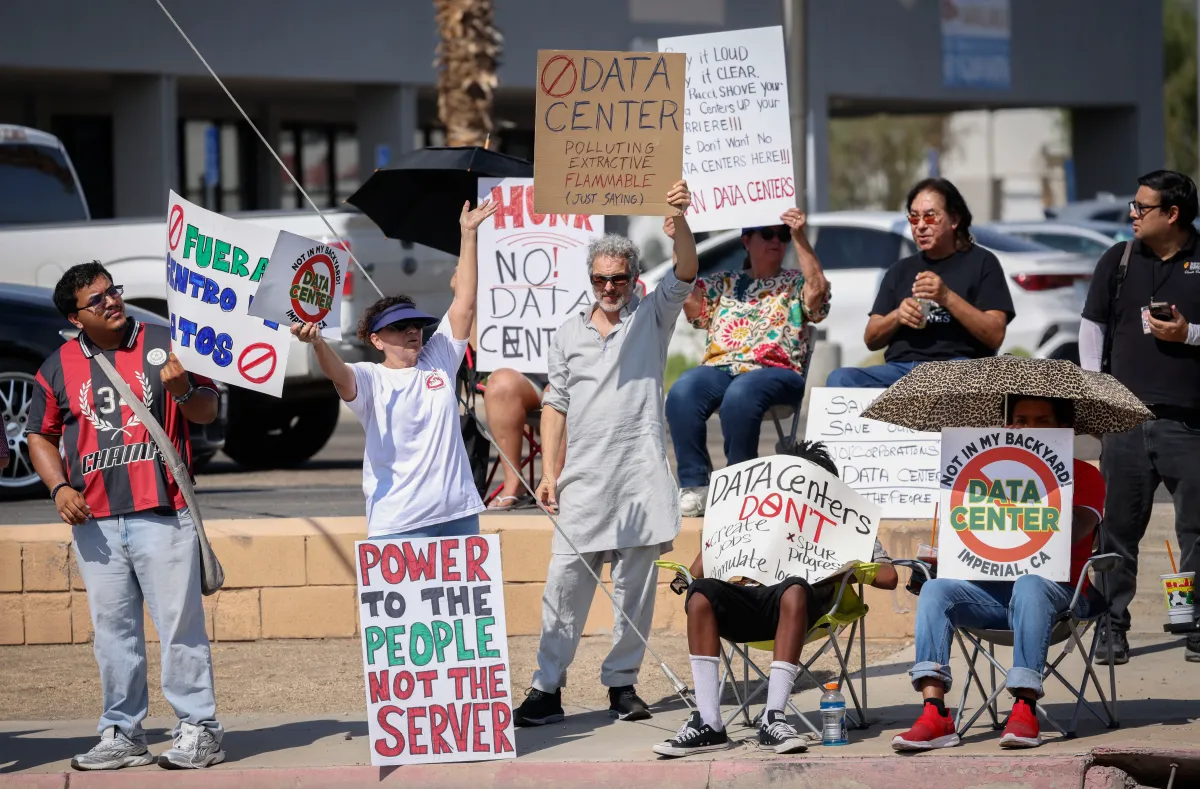
Across the United States, a powerful and unexpected uprising is taking root. This isn’t the kind of protest that makes the nightly news, but rather a determined, grassroots rebellion that is quietly reshaping the nation’s political landscape. From the sprawling suburbs of Virginia where residents are battling the construction of massive data centers, to the farmlands of Iowa where cancer has become the defining issue of the election cycle, to the drought-stricken shores of Corpus Christi where citizens are fighting industry’s unchecked thirst for water, a wave of local activism is surging. This movement defies the traditional political binary, uniting conservatives and progressives around a set of deeply personal values: the right to clean air, safe water, uncontaminated food, and the authority to decide what happens in one’s own neighborhood. While the current administration in Washington pushes a narrative of deregulation and industrial dominance, these Americans are voting with their time, money, and voices, sending a resounding “no” to decisions that jeopardize their health and livelihoods. They are championing a fundamental “yes” to a future where corporate interests do not have the final say over the sanctity of their homes and communities.
There is a profound disconnect between the priorities of the American people and the actions of their federal government. As Election Day approaches, the message from constituents of every political stripe is clear: health and safety are non-negotiable. Environmental protections enjoy widespread popularity, while there is a deep-seated distrust of corporate power. For those of us who work in climate advocacy, this moment offers a crucial, humbling lesson. We have spent years championing tax credits and financial incentives for clean energy, but the spark that truly ignites public passion is the fight for accountability. People are not mobilized by abstract economic models; they are mobilized by the tangible threat of a new gas plant next door or a fertilizer plant poisoning their water well. The underwhelming public defense of landmark legislation like the Inflation Reduction Act in the face of political attacks is a testament to this truth—a reminder that the fight for a livable planet is fundamentally a fight for public health and communal autonomy, not just a matter of fiscal policy.
Despite this groundswell of public sentiment, the machinery of Washington has been accelerating in the opposite direction. Under the current administration, the Environmental Protection Agency (EPA) has been radically redefined. Its mission has shifted from protecting the environment to explicitly pursuing an agenda of “energy dominance,” cutting regulations and fast-tracking permits for the oil and gas industry and the ever-expanding network of data centers. The White House has systematically eviscerated protective rules, abandoned enforcement of those that remain, and, citing a dubious “energy emergency,” has expedited approval for projects of staggering scale, including the largest gas-fired power plant in history and a gargantuan gas export terminal. The sheer audacity of this deregulatory push borders on the surreal. In a move that sounds like dystopian fiction, the federal government recently approved testing mirrors in space designed to redirect sunlight to specific locations to boost farm productivity and aid nighttime construction, all without any meaningful environmental review. Back on Earth, the EPA has decided that massive private energy grids serving data centers can bypass a cornerstone of the Clean Air Act, a requirement that traditional power plants have followed for decades. This new green light for pollution comes at a time when clean energy is demonstrably cheaper than fossil fuels, meaning the only “advantage” fossil power has in this new landscape is the advantage of escaping the rules that level the playing field.
Polluters and their allies in Congress are not resting on these victories; they are pushing for even more. Their goal is what they euphemistically term “permitting reform,” a legislative Trojan horse designed to permanently weaken foundational environmental laws like the National Environmental Policy Act and to severely limit the public’s right to challenge new sources of toxic emissions. This agenda is deeply unpopular, but it remains largely invisible to the general public. A majority of Americans, including two-thirds of conservatives, believe the EPA should prioritize protecting human health from toxic chemicals, even if it means higher costs. However, most people are completely unaware that the protective regulations they support are being dismantled. This technical and confusing nature of the assault is a deliberate strategy, creating a sense of helplessness. If the average person cannot comprehend the bureaucratic machinations happening in Washington, they are unlikely to believe their voice can make a difference, so they simply tune it out. Meanwhile, the people on the front lines of this new reality are paying close attention to what is happening in their own backyards, and they are fighting back with remarkable effectiveness.
This “small d” democratic engagement is winning. The much-publicized Make America Healthy Again (MAHA) movement, driven by fears of pesticides like glyphosate and “forever chemicals” like PFAS, is just one facet of a broader phenomenon. Citizens are packing public hearings from coast to coast, testifying about the value of their environment and their health. And they are achieving tangible victories. Through litigation, local zoning challenges, and public pressure, grassroots activists from both parties have slowed the data center boom, enacting moratoria in more than 500 communities and successfully stopping an estimated $130 billion in projects. The political impact is undeniable. Two ideologically opposed governors—New York’s Kathy Hochul and Texas’s Greg Abbott—have recently felt compelled to publicly hit the pause button on new data centers. While their “moratoria” may be flawed, they are a clear recognition that this cross-partisan anger is a political force to be reckoned with. The power of this local, people-powered resistance is breathtaking. It proves that when communities come together to fight for their own well-being, they possess a power that rivals even the most well-funded corporate lobbies. It is a testament to the enduring truth that the most important battles for our democracy are often fought not in the halls of Congress, but in the school gymnasiums and town halls of America.
For decades, the paramount narrative in America has been the freedom to build. But that freedom has been exclusively granted to corporations. The United States has become the world’s largest producer of oil and gas, with massive new infrastructure created to serve the insatiable appetites of industry. They want to build data centers that consume immense power and water, pummel our landscapes with solar panels and wind turbines without regard for local ecology, and export our resources while poisoning our communities. This relentless pursuit of growth for its own sake has come at the direct expense of the public’s health and well-being. The time has come to redefine what “America the Beautiful” builds. Instead of subjugating our health, safety, and environmental regulations to the whims of corporate profit, let us tell our politicians that we want to rebuild them. We must recognize the remarkable opportunity to rebuild a powerful and inclusive environmental movement around the pro-people activism already surging across the country. By drawing connections between the local battles and the national agenda, we can help politicians bridge the gap between Beltway policies and the daily realities of their constituents. In partnership with these grassroots warriors, we can construct a new foundation for America—one that grants all its people, not just its corporations, the freedom to build healthy, prosperous, and secure lives for themselves and their families.