





Addiction is not something that happens to strangers. It happens in kitchens, bedrooms, hospital rooms, and break rooms. It can begin with a prescription bottle after a surgery, when a well-meaning doctor writes a script for a painkiller and no one notices how quickly the refill becomes a necessity. It can begin with a glass of wine at the end of a terrible day, then two glasses, then a bottle, as the alcohol becomes a way to quiet a mind that has seen too much trauma. And for many people, it begins long before they ever touch a substance, because addiction can run in families, woven into genetics and brain chemistry like a shadow that is present at birth. These are not excuses. They are explanations. Overprescription of painkillers, reliance on alcohol to cope with emotional wounds, and genetic predispositions are all powerful forces that can lead to substance use disorders—a phrase that health professionals prefer over the older, more stigmatizing label of “substance abuse.” The distinction matters. Abuse implies blame and willfulness; disorder implies a medical condition that deserves treatment, not judgment. Substance use disorders affect far too many people in the United States, and they do not discriminate. They touch the wealthy and the poor, the young and the old, the rural and the urban. They strain marriages, disrupt careers, and leave children waiting for a parent who cannot seem to show up. Yet the same conditions that make addiction so devastating also make recovery so urgent. If addiction were simple, the problem would be easy to solve. But because it is a complex mix of biology, psychology, and environment, healing requires compassion, evidence, and patience—not shame.
The scale of the challenge is almost hard to grasp. In July 2025, the Substance Abuse and Mental Health Services Administration, known as SAMHSA, released data from the National Survey on Drug Use and Health. The numbers showed that, on average in 2024, 48.2 million people aged 12 or older had a substance use disorder in the past year. That is not a niche issue. That is not a small group of people on the margins. That is roughly one in six Americans old enough to be counted. Forty-eight million people is more than the population of many entire states combined. It is a crowd of people who wake up each morning and try to function while carrying a dependency that whispers to them that they are worthless. Behind every data point is a mother who hides her pill bottles, a father who drinks before breakfast, a teenager who thinks no one understands, a veteran who cannot escape the memories. The statistic also leaves out the collateral damage: the partners who beg, the siblings who worry, the children who grow up too fast. When we say substance use disorder affects 48.2 million people, we are also saying that tens of millions more are affected by the ripples. But there is another way to read the number. It represents 48.2 million reasons why this country needs better treatment options, better access to care, and better information. It represents a call to action for families who are trying to help a loved one and for medical professionals who are trying to keep up with the demand. The data is sobering, but it is not hopeless. Many of those 48.2 million people are in recovery. Many more could be, if they find the right kind of support.
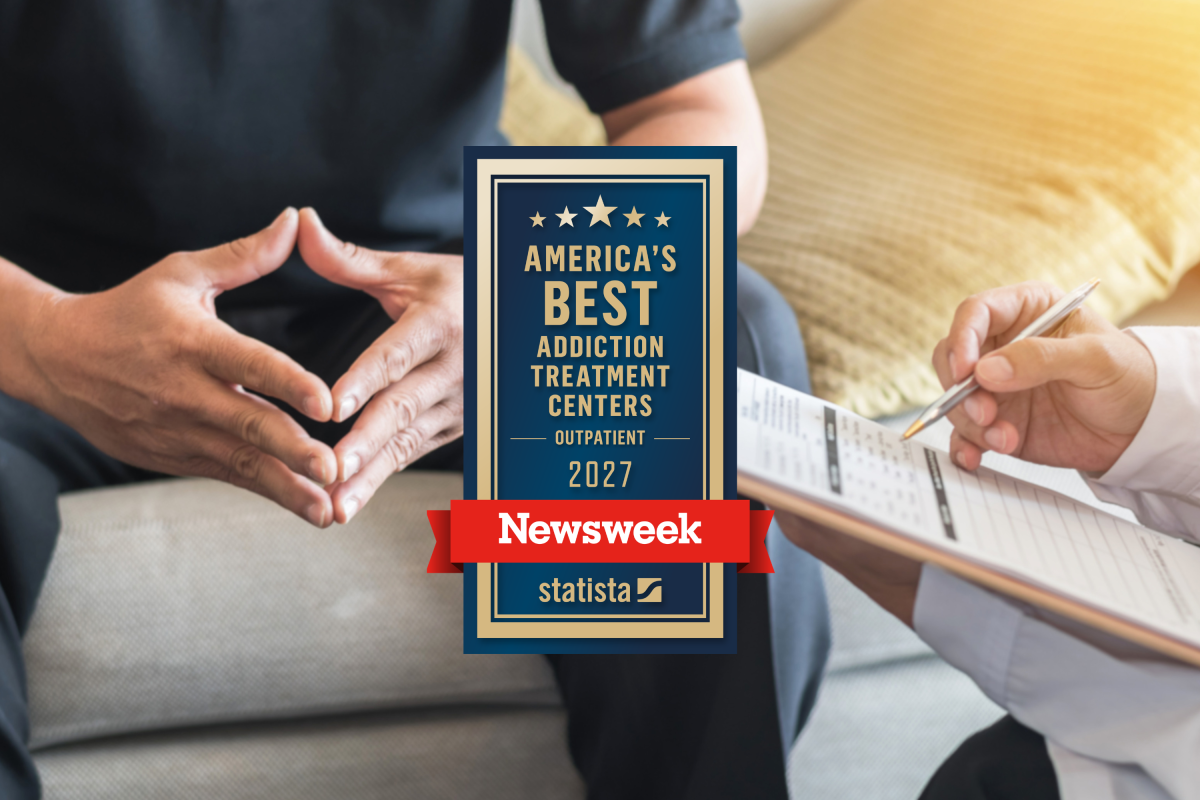
Finding that support is often the hardest part. When someone finally admits they need help, the next question is always: Where do I go? The options can be overwhelming. There are outpatient programs, residential facilities, intensive outpatient programs, partial hospitalization programs, medication-assisted treatment, counseling, support groups, and sober living homes. Each has a different approach, different costs, different philosophies, and different outcomes. A family desperate to save a son or daughter does not have time to research every option, and they certainly cannot trust every advertisement that promises a cure. They need guidance from people who know what works. That is why rankings matter. That is why Newsweek has partnered with Statista, a global data analytics firm, to create the America’s Best Outpatient Addiction Treatment Centers ranking. The goal is not to create a popularity contest. It is to provide an evidence-based, professionally informed resource that can help individuals and families find high-quality care. Outpatient treatment is particularly important because it allows people to receive therapy and medical support while still living at home and maintaining jobs or school responsibilities. For many, it is the bridge between crisis and normal life. But not all outpatient programs are created equal. Some are staffed by deeply committed professionals who use proven techniques and genuinely care about each patient. Others are less reliable. The ranking helps separate the two, giving families a place to start without having to start from scratch.
How are the best centers identified? The methodology is built on the knowledge of people who see addiction up close every day. Newsweek and Statista conduct a global survey of medical professionals working in the addiction treatment industry. These are the doctors who oversee detox, the nurses who monitor withdrawals, the licensed counselors who lead group therapy sessions, and the administrators who run treatment programs. They know which centers deliver real results and which ones just go through the motions. They have watched patients succeed and relapse. They have seen the difference between a program that treats people like numbers and one that treats them like human beings. By asking these professionals to nominate and rate facilities, the ranking draws on collective expertise rather than marketing budgets. The survey is open through October 18, 2026, and every response helps build a fuller picture of the treatment landscape. This is not a closed process. It is an invitation for the people who work in this field to raise their hands and say, “These are the places I would send my own family.” That is the standard that matters. When a professional stakes their reputation on a facility, it means something. The ranking also reflects the reality that addiction treatment is not one-size-fits-all. A center that is excellent for one person may not be right for another. But the survey gives patients and families a shortlist of options, all of which have earned respect from their peers. That is a powerful gift in a world where so many decisions feel uncertain.
While the outpatient ranking is the centerpiece of this effort, the recognition goes further. In August 2026, 440 residential addiction treatment facilities were also recognized across 25 states, with four regional lists covering states that were not surveyed individually. Residential treatment offers something different from outpatient care. It removes people from the environments where their addiction took root, providing twenty-four-hour structure, medical supervision, and a community of peers who are all working toward the same goal. For people with severe addiction, a residential stay can be the first step toward stability. The inclusion of regional lists is especially important. Not every state has the same number of treatment options. Some states, particularly those with smaller populations or more rural areas, might otherwise be overlooked in a national ranking. The regional lists help ensure that people in every part of the country have access to reliable information about the facilities closest to them. A family in Wyoming should not have to rely on rumors any more than a family in New York. The fact that 440 facilities were recognized across 25 states is a reminder that good treatment exists beyond the famous clinics and luxury rehabs. It exists in modest buildings with dedicated staff, in programs that accept insurance, in centers that treat every patient with dignity. The recognition is not just a badge. It is a signal to communities that these facilities have been seen, evaluated, and found worthy of trust. For families searching for help, it means the geography of recovery is wider than they might think.
Ultimately, this ranking is about more than lists and data. It is about the belief that addiction is not a moral failure, and that recovery is possible for everyone who wants it. The survey will be open through October 18, 2026, and the professionals who participate are helping to shape a resource that could change lives. If you are struggling with substance use, or if you love someone who is, please know that you are not alone. The statistics are staggering, but they also tell a story of millions of people who have been in the same place and have found a way out. The right treatment center can make all the difference—not because it is famous, but because it sees you as a person, not a diagnosis. It meets you where you are, with evidence-based care and genuine compassion. It helps you understand why you started using and helps you build a life where you no longer have to. The road is not easy. Relapses happen. Healing takes time. But every journey begins with a single step, and sometimes that step is simply asking for help. Use the ranking as a guide. Talk to a doctor. Call a helpline. Reach out to a facility on the list. There are professionals who have dedicated their lives to walking alongside people in recovery. Let them help. If you are a medical professional in the addiction treatment field, your voice matters too. The survey is open until October 18, 2026, and your participation ensures that the best centers get the recognition they deserve. Together, we can replace shame with support, silence with conversation, and hopelessness with action. That is the real purpose of this work. It is not to create a list. It is to make sure that no one has to face addiction alone.