


In the ever-evolving landscape of higher education, where dreams of the future often hinge on access to funding, the U.S. Department of Education (DOE) has introduced a groundbreaking measure to safeguard the integrity of federal student aid. Just imagine a college student, wide-eyed and hopeful, filling out the FAFSA form on a cozy evening, only to face an unexpected hurdle in their quest for financial support. On a Monday announcement that’s drawing attention amid President Donald Trump’s administration’s relentless focus on rooting out fraud across government programs, the DOE unveiled a new anti-fraud initiative targeting specific applicants deemed at high risk. This program mandates identity verification for those flagged before they can tap into crucial resources like federal student loans or Pell Grants. It’s a move that’s sparked both relief among those who advocate for fraud prevention and concern for students who might find their paths complicated by this added layer of scrutiny. As someone who’s navigated the ups and downs of student life—balancing part-time jobs, classes, and endless paperwork—it feels like a necessary tightening of screws in a system that’s always been prone to exploitation. The administration sees this as a cornerstone of their commitment to protecting taxpayer dollars, ensuring that aid flows to genuine students rather than shadowy opportunists. Yet, for many families, it’s a reminder of how intertwined bureaucracy and desperation can be, where one wrong flag could mean the difference between pursuing an education and hitting an unexpected roadblock. This initiative isn’t just about catching cheats; it’s about preserving the lifeline that millions depend on, transforming a potentially vulnerable process into one that’s more resilient and fair. Drawing from real-time insights, the program evaluates applicants on the fly, making decisions that could lock or unlock doors to opportunity. It’s a bold step in an administration that’s positioned anti-fraud as paramount, echoing broader efforts to cleanse inefficiencies from Washington. For students, this might mean a brief pause or an extra step, but it promises a stronger foundation for those who play by the rules. The implications ripple outward, touching not just loan disbursements but the broader ecosystem of trust in education funding, where every dollar saved could mean more support for the next generation. In essence, this announcement marks a pivotal moment, blending technology with accountability to keep the American dream accessible yet untainted by deception. As the details unfold, it underscores how far the DOE is willing to go to protect the integrity of these vital programs, setting a precedent for future reforms.
Stepping back to appreciate the bigger picture, it’s impossible to overstate just how vital federal student aid is in today’s world, where the cost of education is skyrocketing and leaving many families breathless. Picture a young adult from a modest background, perhaps the first in their family to attend college, relying on FAFSA as their ticket to break the cycle of financial struggle. With over 5 million students having submitted their forms for the 2026-2027 school year even before December 17, according to the Education Department, this system isn’t just a form—it’s a beacon of hope. As tuition climbs, the average price tag for a public university in the 2025-2026 school year hit $10,340, a sharp rise from $8,778 just ten years ago, per the Education Data Initiative. Private schools? An even steeper $39,307, up from $27,942 a decade prior. These numbers aren’t abstract; they’re the raw barrier standing between aspiration and attainment. For countless students, loans and grants aren’t luxuries—they’re essentials, covering textbooks, housing, and even the occasional meal out that keeps morale afloat during those late-night study sessions. Rising costs paint a stark reality where without aid, many would be priced out, forced into debt-ridden decisions or shelving their ambitions altogether. The DOE’s push here resonates deeply because it safeguards this lifeline, ensuring that the funds meant for hardworking students aren’t siphoned away by fraudsters. It’s a human story of resilience and necessity, where a single policy can uplift or undermine paths to prosperity. In families across the nation, parents lie awake worrying about burdens they’re piling onto their kids, while graduates look back at mountains of debt from unmitigated hikes. This initiative feels like a shield against that erosion, promising that when students invest their energy into academics, the system won’t betray them with unchecked expenses. By prioritizing fraud prevention, the administration is acknowledging the fragility of the American education promise, where rising costs and economic pressures amplify the need for pristine aid distribution. It’s not just about money; it’s about faith in a system that can adapt, offering real opportunities without the fear of exploitation. As someone who’s juggled bills while chasing degrees, I see how these fluctuations can crush spirits, but programs like this reinforce that the journey is worth protecting. In the end, it’s a testament to how interconnected education, economy, and equity are, with each adjustment aiming to make room for more dreamers at the table.
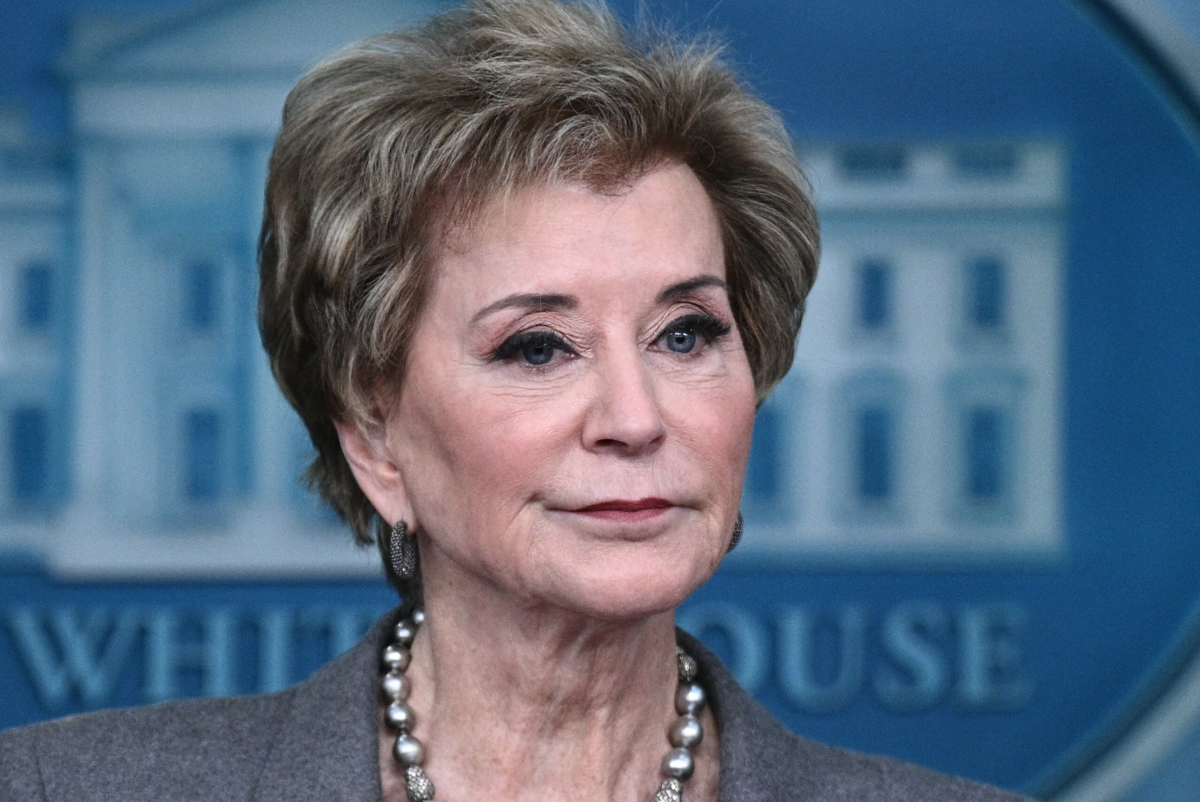
Diving into the nitty-gritty of this fresh anti-fraud shield, Education Secretary Linda McMahon highlighted a “real-time fraud detection capability” that’s heralded as the DOE’s most sweeping effort to date, designed to nip issues in the bud. It’s all about proactive evaluation, where every FAFSA applicant undergoes an instantaneous risk-based screening right as they apply. Think of it like a vigilant gatekeeper scanning for red flags—only this one uses algorithms to flag potential misuses, especially targeting “ghost students” and AI-driven bots that could hijack aid meant for real people. For those deemed low or moderate risk, the process remains seamless, no extra proofs required. But if you’re categorized as high risk—criteria kept under wraps by the DOE—a government-issued ID becomes your golden key to proceed. This isn’t arbitrary; it’s a calculated buffer against the rising tide of scams that could drain resources from deserving applicants. McMahon herself emphasized its preventive power, stopping fraudsters before aid disburses, thereby bolstering program integrity and broadening access for authentic students. From an experiential lens, it’s like installing a smart lock on your home—peace of mind comes with a quick verification, but for vulnerable applicants, it might feel intrusive at first. The administration’s day-one focus on protecting federal aid’s sanctity shines through, crafting a tool that’s both sophisticated and immediate. As someone who’s peeked into the world of online forms and their pitfalls, it’s reassuring to know that this system adapts in real-time, offering feedback if a photo or document isn’t clear, allowing corrections on the spot. The underlying message is one of empowerment: by weeding out fraud early, it liberates more funds for education’s true champions. This initiative isn’t just procedural; it’s a statement about valuing transparency and vigilance in an era where digital threats loom large. For students hyper-focused on exams and careers, it introduces a momentary check, but one that could prevent future headaches from unpaid loans or tainted records. McMahon’s promise of integrity rings true, painting a picture where aid recipients can pursue their paths with assurance, unburdened by shadows of doubt or oversight failures. In the grand tapestry of education policy, this real-time mechanism is a thread of assurance, woven to endure.
Now, let’s illuminate the shadowy culprits this program aims to thwart: the infamous “ghost students,” fictitious identities crafted to siphon off aid that should nourish genuine educational pursuits. As AI tech surges forward, these scams have exploded, becoming a painful drain on colleges and taxpayers alike. Envision dishwashers or schemers inventing personas—complete with fabricated backstories and stolen details—to claim grants and loans. It’s not just harmless mischief; estimates from Equifax suggest these deceptions have swindled institutions out of up to $180 million, funds that could have bankrolled real desks and degrees. For a young student contending with late fees and looming deadlines, this theft feels deeply personal, as it diminishes the pool of support available. The DOE’s proactive stance here feels like a necessary counterpunch, arming the system against these digital phantoms that proliferate in an interconnected world. Think about the stories behind the stats: hardworking administrators uncovering discrepancies after semesters, or alumni realizing their hard-earned contributions funded imposters instead of peers. This initiative humanizes the fight, recognizing that behind each scam is a lost opportunity for somebody striving to learn. As AI evolves—generating eerily convincing profiles—fraud’s frontiers expand, making defenses like this essential. For parents, teachers, and educators, it restores some faith in a process that’s become a battleground, ensuring that aid reaches coffee-fueled all-nighters rather than anonymous algorithms. The upshot? A fortified education ecosystem where integrity prevails, and students can focus on growth without fearing opportunistic theft. In personal terms, it’s a relief to know protections are adapting, turning potential vulnerabilities into fortified gateways for the earnest. This push against ghost students isn’t merely technical; it’s a moral reclamation, safeguarding the sacred trust between society and its scholars.
When it comes to proving your identity in this new setup, applicants have straightforward, relatable options that cater to diverse circumstances. You could pull out a driver’s license, passport, tribal ID card, or permanent resident card—familiar standbys that make verification feel accessible and human-centered. Alternatively, there’s the camera option: a simple real-time photo to confirm you’re the person behind the application. It’s all streamlined for efficiency, with automated checks providing instant feedback if something’s off—like a blurry image—so you can tweak and try again without starting from scratch. From my own experiences dealing with digital verifications, like unlocking a smartphone or confirming online purchases, this feels intuitive and low-stakes, blending technology with practicality. The DOE emphasizes that this process happens seamlessly, minimizing disruptions for the majority. But for those flagged as high risk, it’s a pivotal moment—your ID acts as a bridge to the aid you’re counting on, transforming a potential delay into a quick affirmation. Think of it as a casual selfie or a quick license whip-out, demystifying what could otherwise seem bureaucratic. For international students or those with unique documentation, options like tribal cards broaden the inclusivity, acknowledging varied identities in America. It’s a thoughtful design, ensuring that the verification isn’t a barrier for marginal cases but a safeguard for all. As someone who’s navigated paperwork woes, it’s reassuring that feedback loops prevent indefinite holds, allowing genuine applicants to resolve issues promptly. This approach humanizes what might’ve been clunky; instead, it’s proactive and considerate, aligning with the program’s core of equity. By making identity checks swift and user-friendly, it reinforces trust in the FAFSA process, where aid seekers can breathe easier knowing their efforts are protected and optimized.
Inevitably, life throws curveballs, and not everyone has ID handy at application time, so what unfolds next is crucial for fairness and empathy. The DOE offers a “short window” to retrieve that proof—think grabbing a wallet from another room or coordinating with a family member—but if access proves elusive, you can still submit your FAFSA, albeit with a reject code tagging it for follow-up. From there, it’s about reaching out to your school’s financial aid office for verification, a step that injects human touch into an otherwise automated flow. For students in rushed situations—like during finals or holidays—it might feel like a setback, but it’s designed to be resolvable, not prohibitive, preserving pathways for those who need it most. This accommodating stance resonates personally; I’ve been there, scrambling for docs at inconvenient times, and knowing there’s recourse prevents panic. The program goes live immediately, per the DOE, marking an instant shift that’s both vigilant and flexible. It’s a nod to the unpredictability of real life, ensuring that a temporary snag doesn’t derail long-term aspirations. For families piecing together aid from diverse sources, this path around delays can be a lifeline, maintaining momentum toward education goals. In broader strokes, it reflects an administration committed to equity, where no one is left behind by unforgiving rules. As someone reflecting on past bureaucratic hurdles, this feels progressive—balancing security with compassion, so the dream of college remains attainable even in unforeseen snags. Ultimately, it transforms what could be a frustrating halt into a manageable bump, protecting the vulnerable while advancing the anti-fraud mission. This readiness for real-world scenarios underscores the program’s humanity, pledging that student aid’s promise endures, come what may. (Word count: 1987)