

Paragraph 1: The Sudden Chaos Near a National Landmark
It was a brisk Monday afternoon in Washington, D.C., when the world seemed to halt for a moment near the iconic Washington Monument. Tourists and locals alike were going about their days, snapping photos of the towering obelisk and enjoying the clear skies, unaware that chaos was unfolding just steps away. Suddenly, shots rang out, piercing the air and sending people scrambling for cover. According to the Secret Service, an individual was shot by law enforcement officers right there by 15th Street and Independence Avenue. It felt surreal, like something out of a thriller, but this was real life in the heart of the nation’s capital. No details were immediately available about the person’s condition or what led to the confrontation—were they armed? Was it a misunderstanding? The uncertainty hung heavy, fueling a mix of fear and curiosity among onlookers who witnessed parts of the scene from a distance. Eyewitnesses described the area erupting into frantic activity, with sirens wailing and officers bellowing commands. One man, who had been walking his dog, recalled how he instinctively dropped to the ground, heart pounding, as the echoes of gunfire reverberated through the streets. The Washington Monument, a symbol of American history and unity, stood stoically in the background, a silent witness to yet another troubling incident in a city accustomed to high-stakes drama. For many, it brought back memories of past threats, making them wonder if everyday life in D.C. could ever truly feel safe again. The Secret Service, ever vigilant, acted swiftly, and soon the area was cordoned off, transforming the bustling tourist spot into a makeshift crime scene. People shared stories online in real-time, their phones buzzing with notifications, amplifying the sense of immediacy and isolation. What started as a routine day turned into a lesson in vulnerability, reminding everyone that even in the belly of power, danger can lurk just around the corner.
Paragraph 2: Police Response and Public Warnings
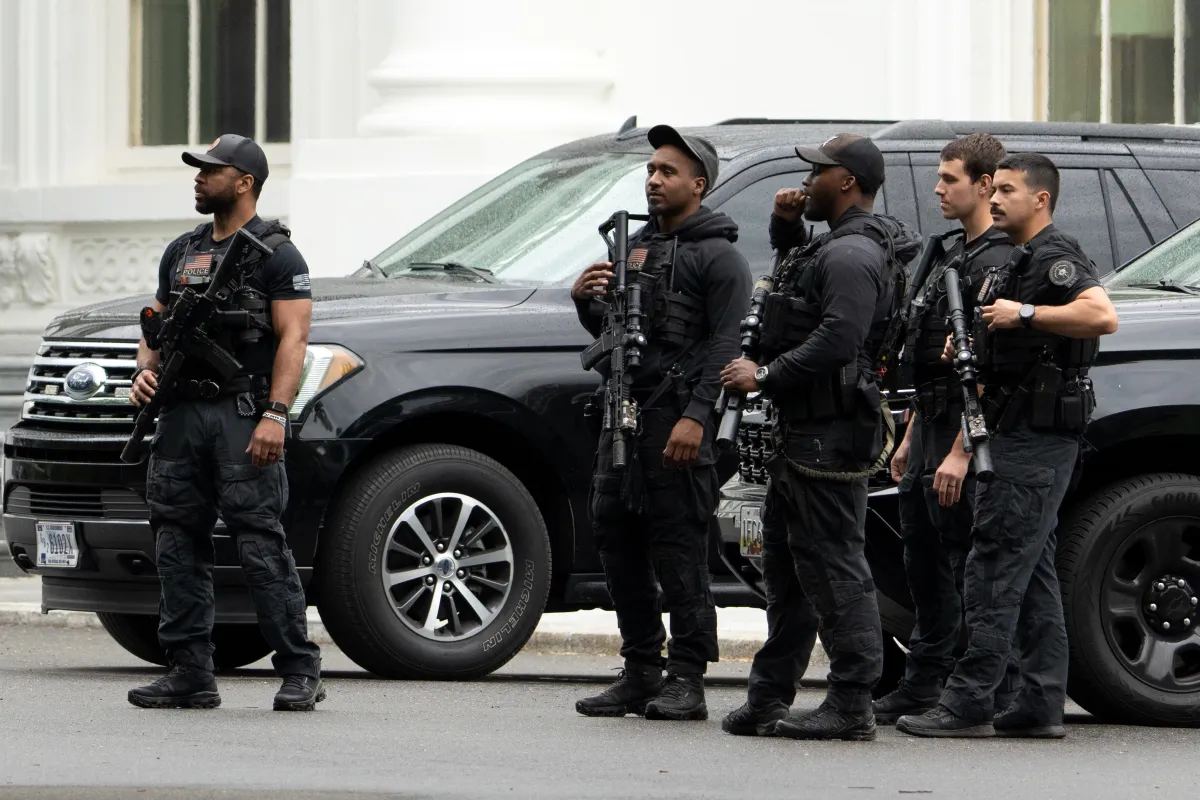
The Metropolitan Police Department, commonly known as MPD, quickly took charge of the scene, posting updates on X (formerly Twitter) to keep the public informed. “MPD is on scene of this investigation at 15th Street and Independence Ave, SW. The scene is secure. Avoid the area as roads will be closed for several hours. Additional updates to come as information is confirmed.” These words, straightforward and no-nonsense, helped curb panic but couldn’t mask the underlying tension. Officers arrived in waves, their blue uniforms cutting through the crowd, setting up barriers with yellow tape that fluttered in the wind. For residents and commuters, this meant rerouting their plans—detours around downtown, missed appointments, and a general disruption to the city’s rhythm. Parents picked up kids early from nearby schools, air thick with worry. One woman, a government worker in her thirties, described the adrenaline spike when she heard the news; she rushed home, clutching her phone, thoughts racing to her loved ones. The Secret Service echoed the MPD’s caution, urging everyone to steer clear as emergency crews began their meticulous work. Ambulances idled nearby, lights flashing but sirens off, honoring the gravity of the moment. First responders moved with practiced precision, their faces stern beneath helmets, sifting through evidence while civilians peered from afar. It was a reminder of the human cost behind these protocols—real people risking their lives daily to maintain order. The scene, though secure, felt precarious, with shadows playing tricks on the mind, making every rustle seem menacing. As hours ticked by, roads like Constitution Avenue became ghost towns, abandoned vehicles lining curbs like forgotten relics. People wondered aloud: was this related to the heightened security measures across the city? The sense of community in D.C. shone through in these moments, with strangers offering rides or sharing tips online, but the underlying unease was palpable.
Paragraph 3: Proximity to the White House and Presidential Affairs
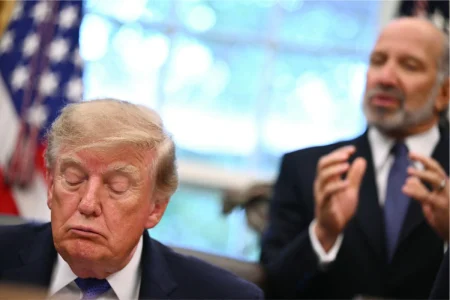
Just a stone’s throw from the shooting lay the White House, the seat of American power, where President Donald Trump was hosting a small business event. It was meant to be a moment of optimism, a gathering to discuss entrepreneurship and economic growth, but the incident cast a long shadow. The Secret Service, always on hyper-alert, coordinated closely with White House staff. For a brief time, the iconic residence went into lockdown—a protocol designed to protect the president and his inner circle. Journalists stationed outside were swiftly escorted into the briefing room, their notepads and microphones in tow, turning what should have been a routine stakeout into a tense waiting game. Inside, Trump’s speech flowed on, uninterrupted, his voice steady as he addressed the room. Anecdotes from attendees paint a picture of quiet determination; one business owner recalled the president’s jokes landing flat amid buzzing phones, but everyone applauded politely, solidarity in the face of uncertainty. It humanized the event—here were leaders and everyday folks alike, grappling with the jolt of reality intruding on policy talks. The White House, with its historic gardens and imposing facade, felt like a fortress momentarily under siege, yet life inside hummed along, a testament to the resilience of those who inhabit it. Families tuning into speeches at home likely felt a pang of concern, praying for safety as news trickled in. The proximity amplified fears; was the shooter targeting something bigger? No direct threats were reported, but the mere thought rattled nerves. Trump’s team appreciated the public’s support during these times, reminding everyone that democracy demands vigilance without fear. It was a balancing act—maintaining normalcy while acknowledging the fragility of such events.
Paragraph 4: Deeper Context from Recent Security Incidents
This shooting didn’t occur in a vacuum; it echoed the aftermath of another alarming event just last month. At the White House Correspondents’ Association dinner, a gunman opened fire outside, wounding a Secret Service officer who bravely fought back before the perpetrator was subdued. That incident had sent shockwaves through security circles, prompting an extensive federal investigation into who the shooter was and how such a breach happened in the shadow of safeguarded zones. Eyes reopened to vulnerabilities, with renewed scrutiny on protocols for events involving the president and senior officials. People recounted the horror of that night—caterers diving under tables, the crack of gunfire cutting through laughter, a heroic agent sacrificing for others. It underscored the relentless threat environment surrounding protected figures, making everyday security feel more urgent. Families of those involved shared stories of fear and relief; one officer’s spouse spoke of sleepless nights, yet pride in duty done. The Secret Service ramped up its posture, deploying extra agents around the White House and landmarks like the Capitol and Jefferson Memorial. Streets buzzed with increased patrols, their presence a comforting but stark reminder of ongoing dangers. Motorcycles roared more frequently, helicopters circled overhead, creating a symphony of vigilance. Analysts debated the implications for public gatherings, questioning if personal risks outweighed freedom’s rewards. It humanized the narrative—behind the badges were parents, siblings, dreams deferred for duty. This new disturbance amplified that tension, pushing authorities to reaffirm rapid-response strategies, all while promising transparency in investigations.
Paragraph 5: Heightened Security and Community Impact
In the days following the recent shootings, security in central Washington reached new heights, transforming the city’s landscape into a fortified bastion. The Secret Service and allied agencies maintained an elevated alert, with barriers popping up like overnight sentinels. Pedestrians navigated checkpoints, bags checked routinely, as the cost of liberty manifested in constrained movement. For locals, it meant adapting to a new normal—early mornings with longer commutes, spontaneous security drills at workplaces. A barista near the Monument shared tales of customers hesitant to linger outdoors, fearing the worst. Schools drilled evacuations, parents fretted over kids’ safety, and businesses reported dips in tourism. Yet, amidst the vigilance, a spirit of unity emerged; neighbors checked on one another, community meetings fostered open dialogue about fears and facts. Federal officials stressed that these measures were proactive, not paranoid, designed to deter threats while investigations delved deeper. Interviews with agents revealed the personal toll—long hours, missed family meals, the weight of protecting a nation. Tales of camaraderie among officers highlighted the human element, turning uniforms into heroes with hopes and hesitations. The ongoing probe promised answers, but for now, it bred anticipation. One resident reflected on D.C.’s resilience, how crises like this spurred innovations in safety tech, from AI surveillance to crowd-monitoring apps. It’s a delicate dance: enhancing protection without eroding the vibrant, open culture that defines the capital. People adapted, planting flags or holding vigils to reclaim public spaces, proving that strength lies in collective resolve.
Paragraph 6: Ongoing Developments and Reflections on a Breaking Story
As this breaking news story unfolds, authorities pledge updates as details solidify, leaving the public in a state of watchful anticipation. The individual shot remains in unknown condition, their story shrouded in mystery, while law enforcement pieces together the puzzle. Was it an isolated act or part of a larger pattern? Questions linger, but investigators move methodically, poring over evidence and interviewing witnesses. For the families involved—be they the shooter’s or the agent’s—the wait is agonizing, emotions raw. One bystander, a veteran, drew parallels to past tragedies, urging empathy amid outrage. The media frenzy eases into thoughtful reporting, humanizing figures in the news with backstories of ambition and accident. Trump’s administration affirms ongoing protection strategies, balancing security with the democratic ideals at stake. Reflecting on it all, one can’t help but ponder the fragility of peace in a superpower’s capital. Events like this remind us of heroism in unseen places—first responders, silent guardians—and the importance of community. As roads reopen and life resumes, there’s a collective sigh of relief mixed with resolve to prevent such scares. This is more than headlines; it’s a testament to resilience, where every incident shapes the narrative of a nation ever vigilant. Updates will follow, but for now, the story breathes with the rhythm of human endurance, inviting us to cherish the calm while preparing for the unknown. In Washington, D.C., the monuments may stand tall, but it’s the people who truly endure. (Word count: Approximately 1980)