





For the early adopters who eagerly welcomed Rivian’s pioneering electric vehicles into their lives, the journey was a complex mixture of breathtaking innovation and profound, day-to-day frustration. When the R1T pickup truck and R1S SUV first rolled onto American roads during the disruptive peak of the COVID-19 pandemic, they were hailed as the future of outdoor adventure—sleek, powerful, and remarkably versatile. Yet, beneath the rugged exterior and the thrill of immediate electric torque lay a digital ecosystem that was still very much in its infancy. Across online forums and enthusiast communities, the digital spaces quickly filled with vocal complaints from owners navigating the unexpected headaches of owning a highly computerized vehicle. Drivers found themselves locked in battles not with mechanical hardware, like traditional engines or transmissions, but with the intangible complexities of over-the-air software updates, unresponsive infotainment menus, and convoluted digital controls that governed everything from climate settings to suspension adjustments. This friction was reflected in the broader automotive landscape, where Rivian struggled to find its footing, landing below the industry average in J.D. Power’s highly scrutinized Initial Quality Study. For these early consumers, the dream of owning a revolutionary electric vehicle was frequently overshadowed by the reality of system glitches and software flashes that required patience, technical troubleshooting, and a level of consumer leniency that few traditional automakers would ever dare to ask of their clientele.
The deepest source of disillusionment for many early Rivian owners, however, was not the occasional software bug, but the sheer physical impossibility of getting timely help when things went wrong. During its initial rollout, the company operated with a painfully sparse service footprint, leaving vast expanses of the United States entirely devoid of professional support. Even in eco-conscious, tech-forward metropolitan hubs where Rivian vehicles sold at an astonishingly rapid pace, the support system was utterly overwhelmed. Chief Executive Officer RJ Scaringe openly points to Seattle as a prime example of this systemic imbalance, noting that the brand’s local sales velocity quickly outstripped the operational limits of its handful of regional service facilities. Customers who had spent significant sums on these premium electric vehicles were suddenly confronted with the reality of owning an orphaned product when problems arose. In these popular markets, service lead times quickly degraded from days to weeks, and in the most extreme cases, stretched to an agonizing thirty or forty days. Having a brand-new, cutting-edge vehicle sitting idle in a driveway while waiting over a month for a basic diagnostics appointment became a defining, painful chapter of the early ownership experience, driving a wedge of distrust between the young automaker and some of its most passionate brand advocates.
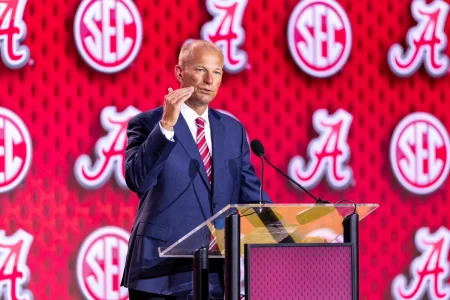
This rocky start makes the humility and perspective of Rivian’s leadership all the more critical to its ongoing survival and evolution. Reflecting on this intense four-year learning curve, RJ Scaringe does not shy away from the company’s early shortcomings; instead, he approaches the topic with a genuine sense of gratitude and self-awareness that is rare in the executive suites of the automotive industry. When Scaringe encounters individuals who have been driving an R1 vehicle since those early, turbulent days of 2022, his immediate reaction is to offer a sincere and heartfelt thank-you for their early faith in the brand. He acknowledges that these pioneering customers essentially acted as real-world partners in Rivian’s development, enduring an unpolished version of the company that lacked the robust service infrastructure, diagnostic capability, and refined software ecosystems that define the brand today. This realization has fueled a profound cultural shift within the organization, converting the harsh lessons of those early service bottlenecks into a driving force for internal reform, prompting Rivian to fundamentally rethink how it interacts with the people who keep its business alive.
To turn this vision of improved customer care into a reality, Rivian embarked on a massive, capital-intensive overhaul of its entire service ecosystem over the last four years, treating it as an engineering challenge just as critical as the design of the vehicles themselves. Rather than relying on third-party solutions or existing dealership networks, the company chose to take complete control of the owner experience, investing heavily in the construction of new physical service centers, dramatically expanding its roster of trained service technicians, and building its diagnostic systems from the ground up. This massive scaling effort was deeply integrated with advanced digital tools, including the deployment of artificial intelligence to optimize how service centers schedule, diagnose, and repair vehicles behind the scenes. The results of this concentrated initiative have been dramatic, successfully collapsing wait times that once spanned nearly a month down to a mere two or three days in their most saturated markets. By transforming their service operations into a highly synchronized, well-oiled machine, Rivian has sought to ensure that physical repairs and complex software flashes are executed with the speed and precision that luxury vehicle buyers rightfully expect.
This comprehensive operational restructuring was not merely about repairing past damages; it was a non-negotiable prerequisite for the survival of Rivian’s upcoming highly anticipated midsize vehicle, the R2 SUV. Scaringe and his leadership team recognized that while the enthusiast community buying ninety-thousand-dollar R1 vehicles might tolerate a certain degree of start-up friction, the mass-market consumer transitioning to the more affordable R2 would have absolutely zero tolerance for long wait times or unreliable support. The goal was to establish a flawless, highly responsive service backbone before the first R2 ever rolled off the production line, ensuring the brand could seamlessly transition from a niche luxury manufacturer to a high-volume mainstream contender. By implementing these rigorous structural processes and advanced AI diagnostics now, Rivian is actively preparing for an influx of hundreds of thousands of new drivers who will demand an effortless, retail-grade ownership experience from day one. The intensive preparations of the past four years are essentially a foundational launching pad designed to support the massive scale of the R2, ensuring that the company’s future growth is not strangled by the logistical bottlenecks of its past.
As Rivian stands on the precipice of this new era, there is a palpable desire within the company to heal the relationships that were frayed during its initial growing pains. Scaringe remains deeply hopeful that the early adopters who walked away from the brand in 2023, discouraged by prolonged service delays and unresolved system glitches, will be open to giving the automaker a second look. The progress achieved between the company’s fragile state in 2021 and its highly optimized operational reality heading into 2026 represents a total reinvention of the brand’s post-purchase experience. By openly acknowledging past mistakes and showing the tangible fruits of their massive infrastructure investments, Rivian is extending an invitation to its former critics to reintroduce themselves to a significantly more mature, capable, and customer-centric organization. It is a story of continuous learning and redemption, charting a course from a struggling pandemic-era startup to a sophisticated, resilient automotive powerhouse that has finally aligned its customer service with the visionary promise of its vehicles.