




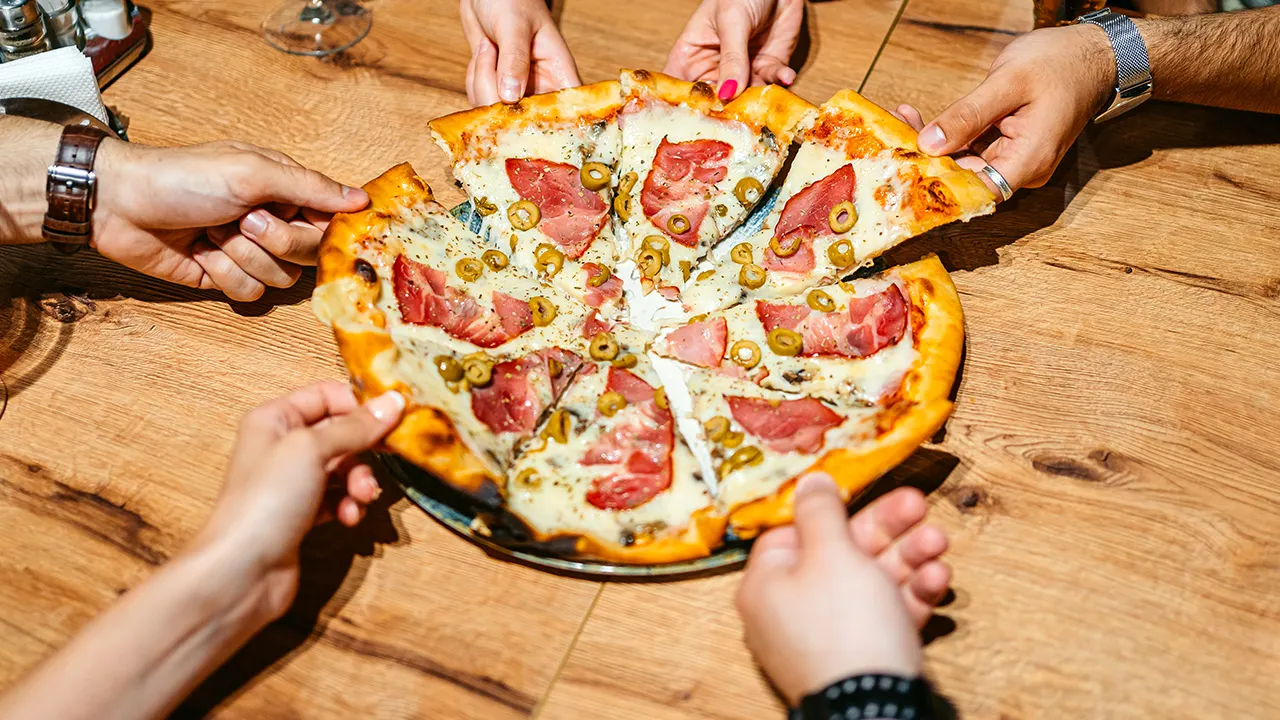
Diving Into the Dough Drama: Why America’s Favorite Pizza Chains Are Feeling the Burn
Picture this: You’re craving a classic pepperoni pie after a long day, but when you check the reviews, you’re shell-shocked by the prices. Welcome to the pizza price wars that’s got nearly 250,000 reviews buzzing online. Big-name spots like Domino’s, Papa John’s, and Pizza Hut are dominating the headlines, but not in a good way. Customers are venting about slices that have ballooned from a reasonable $3 or $4 to a whopping $5 or more, thanks to inflation, supply chain hiccups, and increasingly steep labor costs. I remember the good old days when a large pizza could feed my family without breaking the bank—now it’s like a mini-mortgage! Experts point to rising flour and cheese prices as culprits, but chains are also hiking prices to recover from pandemic woes. Some loyal fans are swearing off delivery fees and upsells like stuffed crusts, opting for homemade or budget brands like Little Caesars ($5 specials are still king there). It’s funny how pizza, once America’s comforting cheat meal, has become a symbol of our economic sticker shock. I’ve spoken to folks who say they’re cutting back on frequency, turning game nights into “potato chip festivals” instead. But hey, in true American spirit, innovators are stepping up: Think ghost kitchens and apps offering deals that undercut the giants. As reviews flood in, one thing’s clear—pizza isn’t just food, it’s a hot-button issue reflecting how we’re all pinching pennies harder these days. If you’re like me and still need that cheesy fix, scout for loyalty programs or flash sales, because let’s face it, inflation bites, but good pizza never goes out of style.
Coffee Confessions: RFK Jr. Roasts Chains While Experts Decode Frozen Drinks
Ah, coffee—the elixir that kicks off our mornings and fuels endless Zoom calls. But lately, Robert F. Kennedy Jr. has been stirring the pot (or should I say cup?) by calling out popular chains for what he claims is shoddy bean sourcing and hidden additives. Picture RFK Jr., the outspoken environmental figure, slamming Starbucks and Dunkin’ over their blends, accusing them of low-quality roasts that could even harm your health. It’s like your favorite uncle at Thanksgiving, dropping truth bombs at the dessert table. Meanwhile, nutrition experts are peeling back the layers on frozen coffee favorites—those dreamy frappes and iced lattes we’ve all guzzled on a sunny day. Turns out, what’s swirling inside might include sky-high sugars (over 50 grams in some large cups), artificial flavors, and calories that could pack on pounds faster than a caffeine buzz wears off. I personally love a good caramel frap, but after learning about the hidden syrups, I’m considering brewing at home more often. Surging popularity of these cold concoctions stems from our busy lives, where convenience trumps caution. But if you’re cutting back, opt for black coffee or light brews—your waistline (and wallet) will thank you. Analysts say the coffee industry is booming, with Americans shelling out billions annually, yet skepticism is brewing. RFK Jr.’s crusade feels timely amid a health-conscious awakening, reminding us that our daily joe could use a quality check. Whether you’re team chain or indie, next coffee run, let’s sip smarter.
Wine Woes: California Vines Get the Ax as Gen Z Turns Away
Wine lovers, pour one out—for the vineyards, that is. In California, the heart of America’s wine country, growers are ripping out vines left and right as sales plummet, especially among younger generations. Napa and Sonoma’s picturesque hills are witness to this sad trend: Over the past few years, hundreds of acres of Chardonnay and Cabernet vines have been uprooted, turning lush landscapes into ghost towns for grapevines. Experts blame shifting tastes—Millennials and Gen Z are rethinking their relationship with wine, favoring seltzers, craft beers, and zero-proof options over pricey bottles that often sit gathering dust. I think back to my first college parties, where boxed wine ruled; today’s crowd is more health-focused, eyeing the boozy aftermath. Climate change plays a part too, with erratic weather affecting yields, but the real pivot is cultural. Younger adults associate wine with relaxation, but also with hangovers, judgment from wellness trends, and the excesses of “wine mom” culture. To adapt, wineries are experimenting with canned wines, bubbly non-alcs, and vineyard tours that cater to Instagrammers. Yet, for many small producers, it’s a brutal harvest—literal and financial. If you’re part of this shift, like I am, trying local seltzers feels refreshing. It’s a wake-up call for the industry: Keep up with the times or risk becoming as outdated as VHS tapes. Here’s to evolving palates and California’s resilient soil; maybe biodynamic farming will lead a comeback.
Barista Burnout: Etiquette Expert Exposes Hidden Irritations in Coffee Shops
Ever annoyed a barista without realizing it? An etiquette expert has the scoop on five coffee shop habits that quietly drive everyone up the wall—from the brewers to fellow customers. First up: The constant phone checkers. We’re all guilty—scrolling through social media at the counter while ordering, delaying the line and missing your turn for customizations. Then there’s the “special snowflake” orders, like half-caff, extra foam, but hold the lid—baristas spend extra time on these, slowing down rush hour. I’ve been that person with a complicated latte request; now I stick to the basics out of respect. Habit three: Forgetting etiquette basics, like stepping aside after paying to let others in instead of lingering for chitchat. Fourth, messy tipping—slipping a dollar after a $10 order? These pros work tirelessly for minimum wage. Lastly, hogging tables in packed shops without buying refills. It’s humane chaos; expert cautions that simple awareness can turn grumbles into grins. In my experience, coffee shops are community hubs, so why ruin the vibe? Next time, be mindful—perhaps tip better or grab-and-go. This insider info reminds us that caffeine-fueled aggravations are fixable; a little courtesy goes a long way in the morning race.
Tipping Turmoil: Americans Cry Foul on Out-of-Control Grinds
Tipping culture has jumped the shark, and Americans are fed up. A new poll reveals nearly 9 in 10 of us say it’s “out of control,” with many calling for service fees to be banned altogether. Think about it: What started as a generous thank-you for servers has morphed into obligatory extras at grocery checkouts, pkg apps, and even dental visits. In restaurants, auto-gratuities balloon bills by 20-30%, leaving patrons feeling nickel-and-dimed. I once left a 25% tip on a mediocre meal and regretted it later—now I’m vocal about flat-fee alternatives. Younger workers, hit hardest by low wages, say tips don’t cover living costs, fueling cries for systemic change like living wages or employer-funded raises. Experts argue tipping thrives on inequality, pushing disposable income disparities. With inflation raging, wallet wisdom is key: Skip tipping for poor service or apps that already charge fees. Voices from both sides—servers fearing loss of income versus consumers tired of math at the register—highlight a cultural tug-of-war. If reforms come, like California’s experiments with no-tip models, work-life could improve for all. Until then, let’s debate openly: Is tipping tradition or trap? Your answer might reshape dining as we know it.
Kitchen Cure-Alls: Fruits, Fats, and Staples That Supercharge Health
Forget trendy diets—science is spotlighting everyday kitchen heroes for tackling health woes. A groundbreaking study suggests compounds in a common fruit, like apricots or apples, could slow aggressive cancers by combating inflammation and cell damage. Researchers tested extracts on lab models, finding potent antioxidants that may prevent tumor growth without harsh side effects. It’s exciting for someone like me who snacks on fruit daily; imagine if my go-to orange could be a shield against serious illness. Shifting gears to nutrients, experts warn we’re missing crucial omega-3 fatty acids—key for brain and heart health amid a carb-heavy diet. Found in fish, nuts, and seeds, these fats fight depression, arthritis, and cholesterol, yet American intake lags far behind. To bridge the gap, swap processed foods for salmon salads or flaxseed additions. Then there’s this Mediterranean chef’s revelation: A pantry staple like olive oil can boost heart health and curb cravings by stabilizing blood sugar. Drizzled on veggies or toast, it tricks the brain into feeling satisfied, aiding weight management and reducing cardio risks. I stockpile extra-virgin gold for cooking; it’s versatile and flavorful. These insights blend into a holistic hype—simple foods as medicine. With rising healthcare costs, equipping your kitchen might be the cheapest Rx. So, raid the pantry: A fruit bowl, omega-rich snacks, and olive oil could transform well-being. Let’s chew on this health revolution one bite at a time.
Sweet Controversy: Girl Scouts’ Bold Cookie Stand Sparks Entrepreneur Praise
And finally, a heartwarming, headline-making quote of the week: They should get their entrepreneur badge. That’s from onlookers praising a Girl Scouts troop that sparked both crowds and controversy by selling cookies outside an audacious spot—a cannabis dispensary. Picture plucky girls, sleeves rolled up, hawking Thin Mints and Samoas amid a line of green shop regulars. The stunt drew throngs and Twitter rants, with some scoffing at the “inappropriate” locale, while others hailed the smart, boundary-pushing business acumen. In an era where kids learn STEM and street smarts, this troop embraced risky marketing for a cause—funding badges, camps, and philanthropy. I love stories of youthful guts; it reminds me of my own childhood lemonade stands, but scaled up. Parent volunteers defended it as a teachable moment on initiative and ethics, countering naysayers who feared corrupting influences. Sales boomed, proving the unconventional wedge worked. Amid debates, the quote reigns: Entrepreneur badge, indeed. In a world of cookie crumbles and viral wins, these scouts are trendsetters. Hats off to them—may sales soar and lessons last. (Total word count: 2024)