



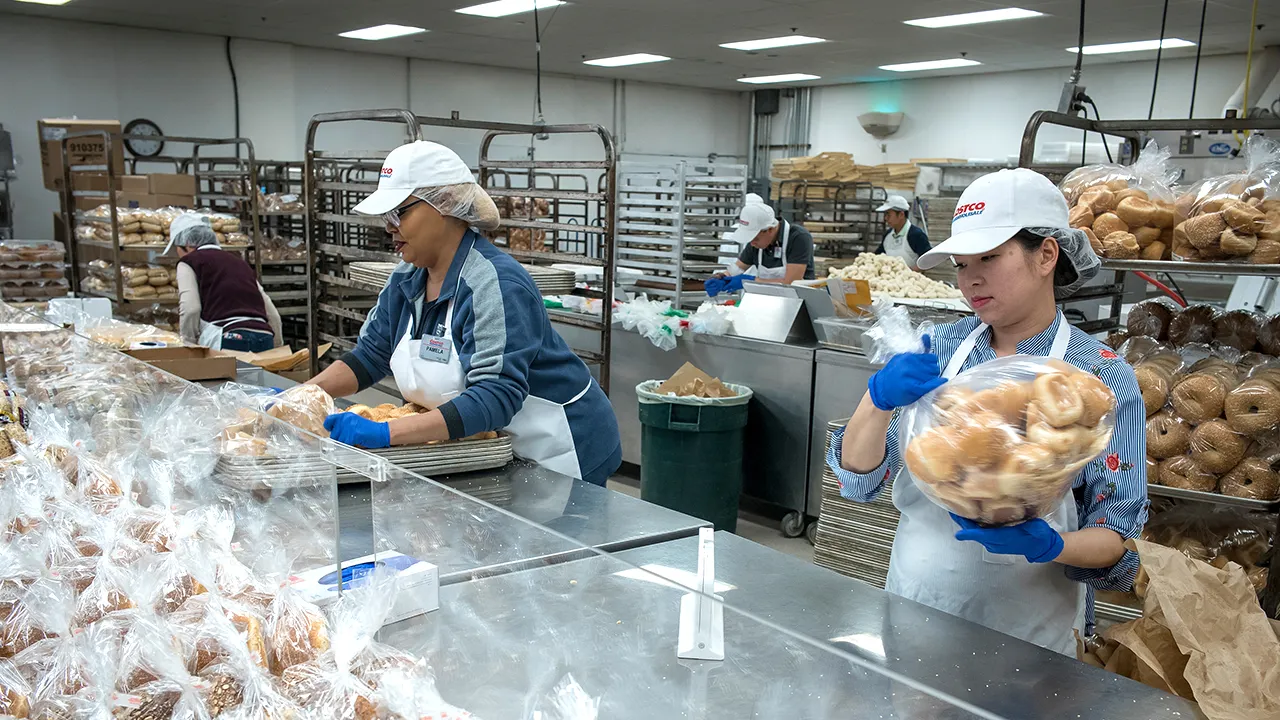
The world of food and drink never ceases to amaze, blending everyday discoveries with global intrigue that keeps us all coming back for more. Imagine walking into your local Costco, eying that iconic bagel display, only to find a clever smaller bundle that’s cutting down on waste without skimping on satisfaction. Shoppers are raving about this innovation, praising how it docks excess packaging and reduces the heartache of stale leftovers. It’s a subtle shift that feels empowering, reminding us that sometimes, less really is more, especially when it comes to breakfast staples that fuel busy mornings. But with this win comes a fresh wave of curiosity about pricing – is this really a bargain, or is Costco edging up those tags as production costs flutter in the wind? Experts speculate that the compact bundle might save on logistics, but consumers are left wondering if the value aligns with their wallets. It’s a conversation that echoes broader themes in retail, where sustainability meets affordability, and folks are voicing their thoughts online, debating if this is progress or just another clever sales tactic. On a related note, staying healthy at home has never been more crucial, particularly with that beloved coffee maker tucked away in the kitchen corner. You know the drill: brew your joe, wipe it down briefly, and call it a day. But hold up – skipping that one simple step of deep cleaning could transform your machine into a veritable petri dish of germs. Coffee residue isn’t just sticky; it’s a breeding ground for bacteria that might sneak into your next cup, potentially leading to upset stomachs or worse. Health enthusiasts are sounding the alarm, sharing tips on regular descaling and proper maintenance to keep things hygienic. It’s a wake-up call for coffee lovers everywhere, urging us to treat our appliances with the same care as our mugs, ensuring every sip is as pure as the morning sun.
Diving deeper into the intriguing side of sustenance, archaeological marvels are making headlines that bridge faith and science. Picture this: a microscopic fragment of food DNA extracted from a cloth believed to have been used in the final rites of Jesus Christ, sparking waves of fresh fascination around the world. Historians and scientists alike are poring over these findings, piecing together potential insights into ancient diets and rituals that paint a vivid picture of life centuries ago. Could this DNA reveal traces of grains, fruits, or spices common to Middle Eastern fare back then? The debate ignites imaginations, with some seeing it as a divine breadcrumb linking the past to the present, while skeptics question the methodology and implications. It’s a story that’s as appetizing as it is thought-provoking, reminding us that even in the realm of the sacred, food plays a starring role in human history. Meanwhile, back in the bustling world of chain dining, a new Panera Bread menu item is stirring up controversy instead of cravings. Dubbed a “buzzy” launch, this innovation promised originality and value, but employees and customers are firing back with concerns over excessive waste, questionable worth, and a nagging sense of déjà vu in the offerings. Is it truly creative, or just recycled ideas repackaged for modern palates? The backlash highlights a growing irritation with fast-casual dining, where innovation often clashes with practicality – think oversized portions that end up in the bin or pricey add-ons that don’t justify the cost. Shoppers are sharing stories of disappointment via social media, while staff members lament the strain on resources, from ingredients to energy. It’s a heated discourse that shines a light on the fast-food industry’s balancing act between profit and ethos, leaving many wondering if Panera can regain its footing or if this flop is a sign of larger systemic issues.
Quality control takes center stage when it comes to luxury eats like Wagyu beef, that melt-in-your-mouth delicacy prized for its marbled perfection. But buyers beware: experts are blowing the whistle on fakes infiltrating the market, urging consumers to sharpen their detective skills to avoid being duped by imposters masquerading as the genuine article. From scrutinizing fat distribution and texture to checking sourcing paperwork, the tips flow freely, empowering steak lovers to ensure their splurges are worthwhile. It’s a reminder that in a global food economy, authenticity can be as elusive as it is essential, prompting conversations about supply chains and ethical labeling. Shifting gears to convenience, supermarket hot food bars are evolving from sidelines to superstars, drawing in throngs of shoppers seeking quick, wallet-friendly meals amid hectic schedules. Think steaming soups, sizzling stir-fries, and fresh sandwich fixes, all at your fingertips without the hassle of cooking. This trend reflects a broader cultural shift toward grab-and-go dining, especially post-pandemic, as people reclaim time for other pursuits while still enjoying variety and nutrition. Enthusiasts hail it as a game-changer for busy families and singles alike, though naysayers warn of potential microbial risks if not handled properly. It’s a delicious paradox of modern convenience, blending accessibility with the joy of discovery in the aisles.
Creativity knows no bounds, even for animal celebrations, as evidenced by a Siberian tiger’s birthday bash at the zoo that went carnivore-crazy with a bespoke “cake.” Picturing a towering creation made of raw meat and bones, designed to mimic a birthday treat, it’s a heartwarming – or should I say, heartfelt – gesture that honors the big cat’s preferences rather than forcing sugary layers. Zoo visitors and staff are loving the twist, sharing how the tiger’s delighted reaction brought smiles and laughs, turning a routine event into viral fodder. It underscores the importance of tailoring experiences to individual needs, even in the wild kingdom, and sparks chat about animal welfare and enrichment. On the flip side, Burger King loyalists are touting a simple hack for a hotter, fresher Whopper: just ask for it fresh off the grill with a dash of extra care. Fans swear by the improved taste and texture, crediting this insider request for elevating the classic burger experience beyond the standard drive-thru fare. Skeptics, however, raise eyebrows over the practicality and whether it really levels up quality or just amps up wait times. It’s a polarizing tip that fuels debates among fast-food aficionados, blending customization with the grassroots ingenuity of burger culture.
If you’re prone to indulging, this week’s bite-worthy quote from a culinary sage might resonate: “Try the queso and make sure your belt has an extra hole.” It’s a humorous nod to the indulgent side of dining, where cheesy delights tempt us into loosening those waistbands, capturing the guilty pleasure of savoring something sinfully good. This lighthearted wisdom circles back to the theme of balance in our food choices, reminding us to enjoy without excess while appreciating the cultural tapestry of flavors that define us. Wrapping up the buzz, an expert’s ranking of America’s top food cities is poised to ignite friendly rivalries, pitting culinary hotspots like New Orleans against San Antonio, or Portland versus New York. Each city’s unique offerings – from Southern soul food to artisanal tacos or farm-to-table fusions – earn spots on the list, based on factors like diversity, innovation, and local pride. Locals are buzzing with opinions, some defending their turf while others wistfully admit to inter-city envy. It’s a tasty way to explore regional identities, encouraging road trips or dining adventures that celebrate America’s melting pot through its kitchens.
In reflecting on this array of food stories, from savvy shopping hacks to historical relics and dining debates, one thing shines through: our connection to what we eat is deeply personal, cultural, and occasional source of heated exchange. The smaller Costco bagels symbolize a push toward mindful consumption, while the coffee machine germ alert emphasizes daily hygiene routines that safeguard our rituals. The intriguing DNA on the ancient cloth ties faith and science into a palatable narrative, much like how Panera’s misstep underscores evolving expectations in the restaurant world. Spotting faux Wagyu beef demands vigilance in a premium market, paralleling the rise of supermarket hot bars as beacons of convenience for modern lifestyles. Even a tiger’s meaty “cake” and a Burger King’s grilling tweak add whimsy and practicality to our feas