





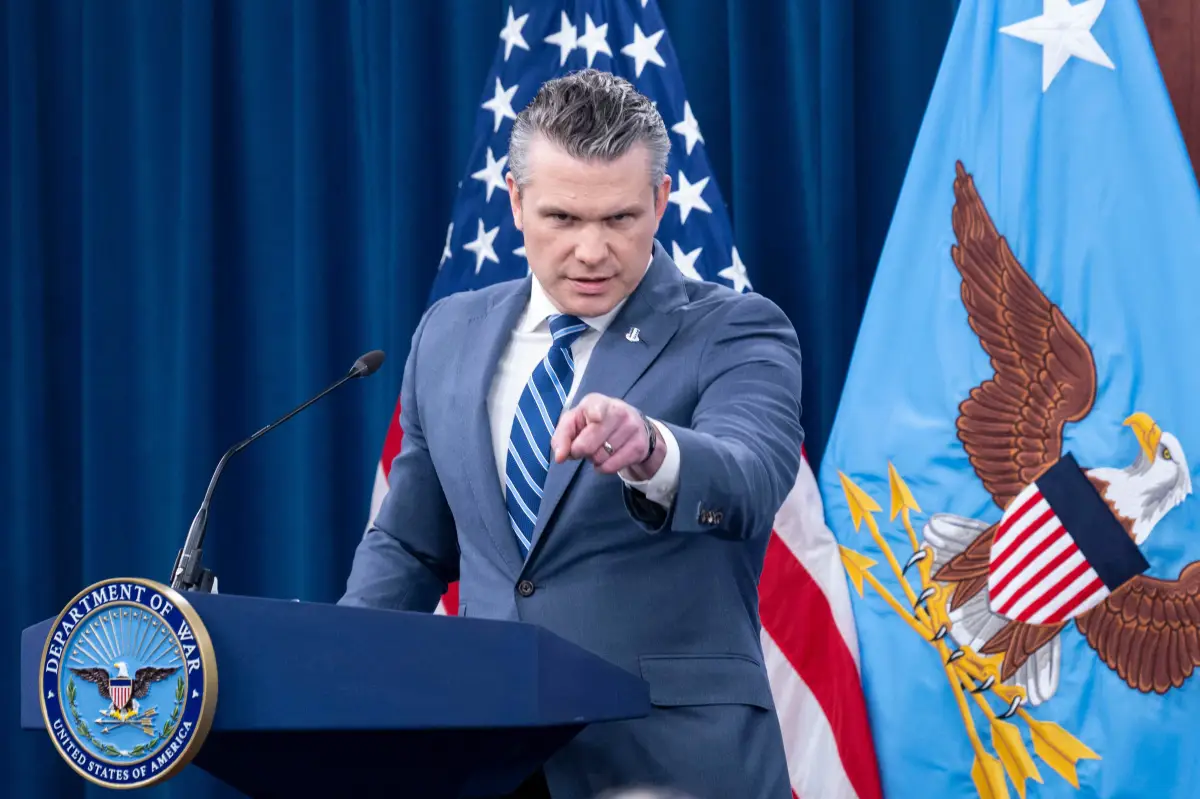
In the heart of Washington, D.C., a unique celebration is unfolding that blends America’s political elite with its deep-rooted religious heritage. Imagine a marathon of biblical readings, stretching from dawn till dusk, where prominent figures from the government gather to delve into the pages of one of history’s most influential texts. Defense Secretary Pete Hegseth, a man whose life has been shaped by both military valor and personal faith, is slated to participate in this grand event known as “America Reads the Bible.” Announced by the White House just days after a viral moment caught him echoing a famous monologue from Quentin Tarantino’s Pulp Fiction during a Pentagon worship service, Hegseth’s involvement adds a layer of intrigue and debate. It’s not every day that a high-ranking official steps into such a public display of spirituality, and for Hegseth, who has long championed his Christian beliefs while navigating the complexities of national security, this represents an opportunity to connect his professional world with his spiritual one. The event celebrates 250 years since the first English Bible was printed in America, a milestone that organizers hope will remind participants of the scripture’s enduring role in shaping the nation’s identity. As Hegseth prepares to take his turn, one can’t help but feel a sense of anticipation mixed with reflection—after all, in a time when faith in public life sparks conversation, his presence brings questions about authenticity, pop culture’s influence, and the delicate balance between personal conviction and official duty. Picture the scene: nearly 500 people, from everyday believers to power players, gathering at the Museum of the Bible, each taking a meaningful turn to voice the words that have inspired generations. It’s a weeklong affair designed to foster unity, where the hum of heartfelt recitations echoes through halls lined with artifacts of religious history, creating an atmosphere that’s both solemn and communal.
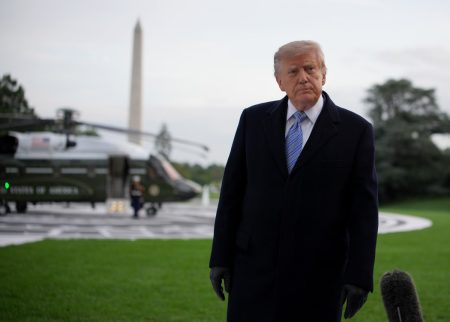
President Donald Trump himself has lent his voice to this initiative, recording an Oval Office reading from the Book of II Chronicles, a passage that speaks to divine guidance and national renewal in turbulent times. This personal touch from the Commander-in-Chief underscores the event’s significance, portraying it as more than a mere spectacle but a rededication to the principles that have guided America through its storied past. Joining Trump in this biblical journey are figures like Secretary of State Marco Rubio, whose Cuban heritage and diplomatic finesse add a multicultural dimension to the readings, and Transportation Secretary Sean Duffy, a former reality TV star turned public servant whose warmth and relatability might help bridge the gap between elite and everyday Americans. Hegseth, with his rugged military background and outspoken faith, fits right into this tapestry of leaders who bring their unique stories to the table. Each person, from cabinet members to invited guests, is encouraged to reflect on the text’s relevance today—perhaps finding parallels between ancient prophecies and modern challenges like international conflicts or domestic divisions. The White House’s praise for the program as a way to “honor Holy Scripture” and reaffirm the United States as “one Nation under God” feels almost poetic, evoking images of early settlers turning to the Bible for solace amidst the untamed wilderness of a new world. For Hegseth personally, participating could be a way to demonstrate his commitment to service, blending his role as a defender of freedom with his belief in divine providence; it’s a reminder that even in the corridors of power, individuals seek deeper meaning. As the readings progress from the creation story in Genesis to the apocalyptic visions in Revelation, participants might ponder how these verses have influenced everything from constitutional debates to personal resilience, fostering a shared narrative that transcends partisan lines.
But Hegseth’s involvement in “America Reads the Bible” follows closely on the heels of a viral video that ignited widespread discussion and a touch of controversy. Just days earlier, during a Pentagon prayer service, he recited a prayer dubbed “CSAR 25:17,” which many recognized as eerily similar to a monologue delivered by Samuel L. Jackson’s character in Pulp Fiction. The incident, captured in a livestream and shared across social media, showed Hegseth introducing the prayer as reflective of Ezekiel 25:17, only for viewers to spot the uncanny likeness to the film’s dramatic rant about divine retribution. It sparked memes, debates, and headlines, with netizens juxtaposing the short, stern King James Version of the biblical text against the movie’s embellished version, which adds layers of intensity and flair. For those who aren’t steeped in pop culture, Pulp Fiction is a cult classic known for its nonlinear storytelling and quotable lines, but the prayer’s resemblance raised eyebrows about how far one can stretch inspiration from scripture. Hegseth, ever the straightforward communicator, addressed the origins head-on, explaining it as a custom invocation used by elite military teams during high-stakes rescue operations, particularly by units like the “Sandy-1” A-10 crews involved in combat search-and-rescue (CSAR) missions. In a world where soldiers face life-or-death decisions in real-time scenarios, this prayer has become a ritual—a way to channel courage and faith before diving into the chaos. It’s humanizing to think of hardened warriors, beads of sweat on their brows, repeating these words to steady their nerves, blending Hollywood bravado with biblical resolve. The viral clip, though fleeting, reminded everyone of Hegseth’s authentic side, a man who wears his faith on his sleeve and isn’t afraid to draw from unexpected sources to uplift his comrades.
The Pentagon’s chief spokesman, Sean Parnell, responded to the buzz with measured assurance, acknowledging the “obvious” inspiration from Tarantino’s film while defending it as a legitimate, time-honored military practice. He emphasized that Hegseth’s rendition wasn’t a slip-up but a nod to tradition, rooted in the adrenaline-fueled world of aerial rescues where split-second choices can mean the difference between life and death. This custom, with its playful abbreviation “CSAR 25:17,” humanizes the military machine—turning elite operators into storytellers who craft their own lore from bits of scripture and cinema. Hegseth himself, reflecting on the moment, tied it back to specific missions, like the real-time daylight rescue that cemented its place in military culture. It’s touching to imagine how such a prayer might offer comfort in the face of uncertainty, transforming abstract faith into a tangible shield for those on the front lines. By sharing this history during a public service, Hegseth bridged the gap between his official role and the raw humanity of the troops he oversees, showing that even leaders in the highest echelons lean on shared narratives to cope with the weight of responsibility. Critics might see echoes of pop culture tempest in the teapot, but for those who serve, it’s a testament to creativity in adversity, proving that inspiration can come from sacred texts and silver screen alike without diluting the message. This incident, far from derailing Hegseth, seems to have humanized him further, painting a picture of a leader who’s not just a policymaker but a participant in the stories that bind communities together.
Yet, why does this matter in the grander scheme? Hegseth’s participation in “America Reads the Bible” could invite fresh scrutiny, especially after the prayer debacle highlighted the fuzzy line between scriptural fidelity and cinematic borrowing in official contexts. In an era where debates rage about the role of faith in government—think invocations at public events, religious symbols in policy discussions, or even wartime rhetoric—such moments amplify tensions. Is it appropriate for a Defense Secretary, who oversees immense power in matters of national security, to incorporate movie lines into prayers? Some see it as harmless fusion, a way to make ancient words relatable in a modern, desensitized world; others worry it undermines the sanctity of religious practice, potentially alienating those who seek pure devotion. This juxtaposition of faith and popular culture in government settings mirrors broader national conversations about what it means to uphold tradition while embracing innovation. For instance, amid ongoing wars and humanitarian crises, where Hegseth’s decisions could affect lives globally, questions arise about how personal beliefs intersect with public oaths. It’s a delicate dance—much like the soldiers who recite unconventional prayers before missions, balancing reverence with realism. Perhaps it’s a reminder that in America’s diverse tapestry, faith isn’t monolithic; it’s lived out in personal, sometimes quirky ways, reflecting the human desire to find meaning wherever possible. Hegseth’s story illustrates this, turning potential controversy into an opportunity for dialogue, encouraging empathy for leaders who grapple with the same questions as the rest of us: how to stay true to one’s roots while adapting to a rapidly changing world.
Looking ahead, “America Reads the Bible” promises to be a captivating chapter in this unfolding narrative, set to run daily from 9 a.m. to 9 p.m. over seven days at the Museum of the Bible. Organizers have meticulously planned for a mix of live readings, where audiences can witness the passion in participants’ voices, and prerecorded segments for high-profile figures like Trump, allowing them to contribute without logistical hurdles. Hegseth will join his fellow cabinet members and other luminaries in this democratic exercise of scripture, each person allotted time to read passages that resonate with them personally. It’s envisioned as a communal journey, from the epic origins in Genesis—births, floods, covenants—to the hopeful revelations in the final book, where prophecies of renewal offer solace in uncertain times. Imagine the scene: museum visitors mingling with readers, perhaps sharing stories of how the Bible has touched their lives, from comfort during loss to guidance in moral dilemmas. For Hegseth, this event could serve as a platform to reaffirm his dedication to both God and country, potentially easing any lingering doubts from the viral clip by showcasing his genuine engagement with the text. As the week progresses, it might spark broader reflections on America’s spiritual legacy, inspiring participants to rededicate themselves to unity and compassion. In a nation often divided, such efforts remind us of the power of shared narratives to heal rifts, proving that even in politics, faith can be a bridge rather than a barrier. What happens next? Only time will tell, but this Bible reading marathon stands as a testament to human resilience, creativity, and the enduring quest for meaning in the public eye.