



Here is a humanized and expanded summary of the breaking news, structured into six comprehensive paragraphs, delving into the context, the legal stakes, and the human implications of the conflict.
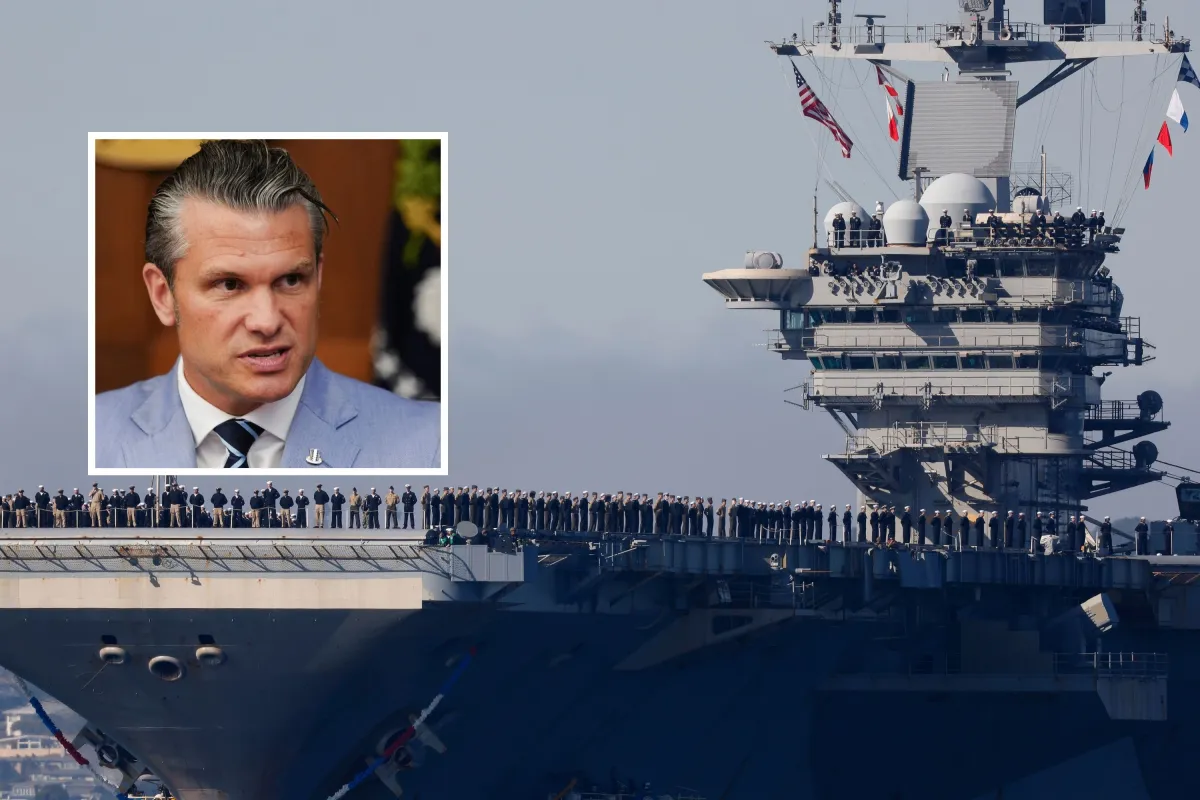
The relationship between the Pentagon and the independent press corps that covers the American military has always been a delicate dance, but it has now exploded into open, bitter litigation. In a landmark legal action, three veteran journalists from Stars and Stripes—the storied, congressionally-funded newspaper that has served U.S. troops for over a century—have filed a federal lawsuit against the Department of Defense and several top officials, including Defense Secretary Pete Hegseth. The plaintiffs are Max Lederer, the paper’s former publisher; Erik Slavin, its former editor-in-chief; and Lara Korte, its Middle East correspondent. Their termination has sent a jolt of alarm through the journalism community, as they allege their firings were not about professional performance, but rather a direct act of retaliation for doing their job too well: exposing the grim, deteriorating conditions aboard the USS Abraham Lincoln, a nuclear-powered aircraft carrier deployed on an unexpectedly brutal, record-shattering mission in the Middle East.
The seeds of this lawsuit were sown in the summer months, during a period of intense geopolitical tension along the Red Sea and the Arabian Peninsula. While the world’s attention was fixed on the strategic movements of naval forces, the thousands of sailors aboard the Abraham Lincoln were quietly suffering under the weight of an extended, punishing deployment. Korte, a fearless correspondent, embedded with the crew and filed a harrowing report on August 11. Her investigation painted a disturbing picture of life at sea: critical food shortages that left mess halls serving processed, substandard rations; an intermittent and deeply unreliable mail system that left sailors isolated from their families for weeks; grueling 100-hour work weeks that pushed physical limits; and a pervasive, corrosive sense of burnout that threatened the mental health of the entire crew. The report was a classic piece of service journalism, amplifying the voices of enlisted men and women who felt they had no other avenue to be heard. Yet this reporting, combined with a subsequent appearance on a CBS News segment in early July, would cost the trio their careers.
The lawsuit pieces together a chilling timeline that suggests high-ranking officials were watching the coverage with growing displeasure. According to the complaint, after Korte and Slavin appeared on CBS on July 5 to discuss their findings and to raise concerns about potential political editorial oversight from the Pentagon, the backlash began to brew. However, the Pentagon’s leadership did not act immediately; instead, they waited. It was only after the detailed print report was published in mid-August, and after the story gained significant traction within the military community, that the axe fell. The official justification given for the firings was “insubordination”—a vague, catch-all term that the plaintiffs argue was a mere fig leaf to obscure the real motive: punishing journalists for embarrassing the top brass. The lawsuit names Hegseth, as well as Pentagon official Andrew Brey and spokesperson Sean Parnell, asserting that these individuals orchestrated the removal of the three journalists in their official capacities, wielding their immense power to silence uncomfortable truths that were legally and ethically protected by the First Amendment.
To understand the gravity of this case, one must appreciate the unique, almost paradoxical position that Stars and Stripes occupies within the American media ecosystem. Unlike civilian outlets such as the New York Times or the Washington Post, which are funded by advertising and subscriptions, Stars and Stripes is funded by the U.S. government, receiving its budget through the Pentagon. However, Congress has historically mandated that the paper operate with full editorial independence, acting as a watchdog from within rather than a mouthpiece for the military command. It is a vital lifeline for service members stationed in remote corners of the globe, offering them uncensored reporting on the issues that affect their daily lives—from pay and benefits to the strategic decisions that send them into harm’s way. The framers of this arrangement understood that for the paper to serve its audience effectively, it must not be subject to the whim of whoever occupies the Secretary of Defense’s office. By allegedly terminating these journalists for their reporting, the Pentagon is not just punishing three individuals; it is seeking to fundamentally corrupt the paper’s core mission, turning it into a tool of self-serving propaganda and chilling any future investigative work that might expose operational shortcomings.
Legally, the plaintiffs are treading on complex, precedent-setting ground. The Supreme Court has long held that public employees do not shed their First Amendment rights at the office door, but the protections are not absolute. The Pickering balancing test requires courts to weigh the employee’s right to speak on matters of public concern against the government’s interest in running an efficient workplace. Generally, the military places an extremely high premium on order, discipline, and the chain of command, arguing that dissent can undermine mission readiness. The defense will likely argue that the journalists’ actions disrupted the cohesion of the command structure, or that their comments to CBS constituted a breach of internal policy. However, the plaintiffs will counter that this case falls squarely within the realms of protected whistleblower activity. The conditions aboard the carrier were matters of immense public concern, specifically concerning the welfare of the troops. Furthermore, they will argue that speaking to the press was the only way to effect change, as internal complaints were ignored. The case hinges on proving that the stated reason of “insubordination” is a pretext for retaliation, which is notoriously difficult to demonstrate without smoking-gun emails or direct witness testimony. Yet, the timing—the firing occurring mere days after the August publication—provides a compelling circumstantial narrative that a jury might find persuasive.
Beyond the legal maneuvering and the specific fate of Lederer, Slavin, and Korte, this lawsuit represents a pivotal stress test for the resilience of independent journalism in an era of intense political polarization. If the Pentagon is allowed to terminate editors and correspondents for publishing factual, well-sourced reports that merely cast the military in an unfavorable light, the chilling effect will be immediate and devastating. Future journalists at Stars and Stripes will look at this case and ask a sobering question: is my job worth the risk of exposing the truth? The answer, historically, has been ‘yes,’ but this lawsuit threatens to change it to a resounding ‘no.’ For the sailors aboard the Abraham Lincoln, and for the thousands of others in the fleet, the stakes are even higher. Their health, morale, and safety depend on the existence of a free press that can document their suffering and hold leadership accountable. The ousting of these three journalists sends a message to every deployed service member that their concerns can be silenced with a single phone call from the top brass. As this is a breaking story, the fallout is just beginning, but the plaintiffs have already drawn a line in the sand. Their lawsuit is not merely a plea for reinstatement or damages; it is a declaration that the press must remain the fourth estate, even within the most disciplined institution in the United States. The outcome of this unprecedented legal battle will likely define the boundary between military authority and press freedom for a generation, and its significance extends far beyond the ceramic walls of the Pentagon.