





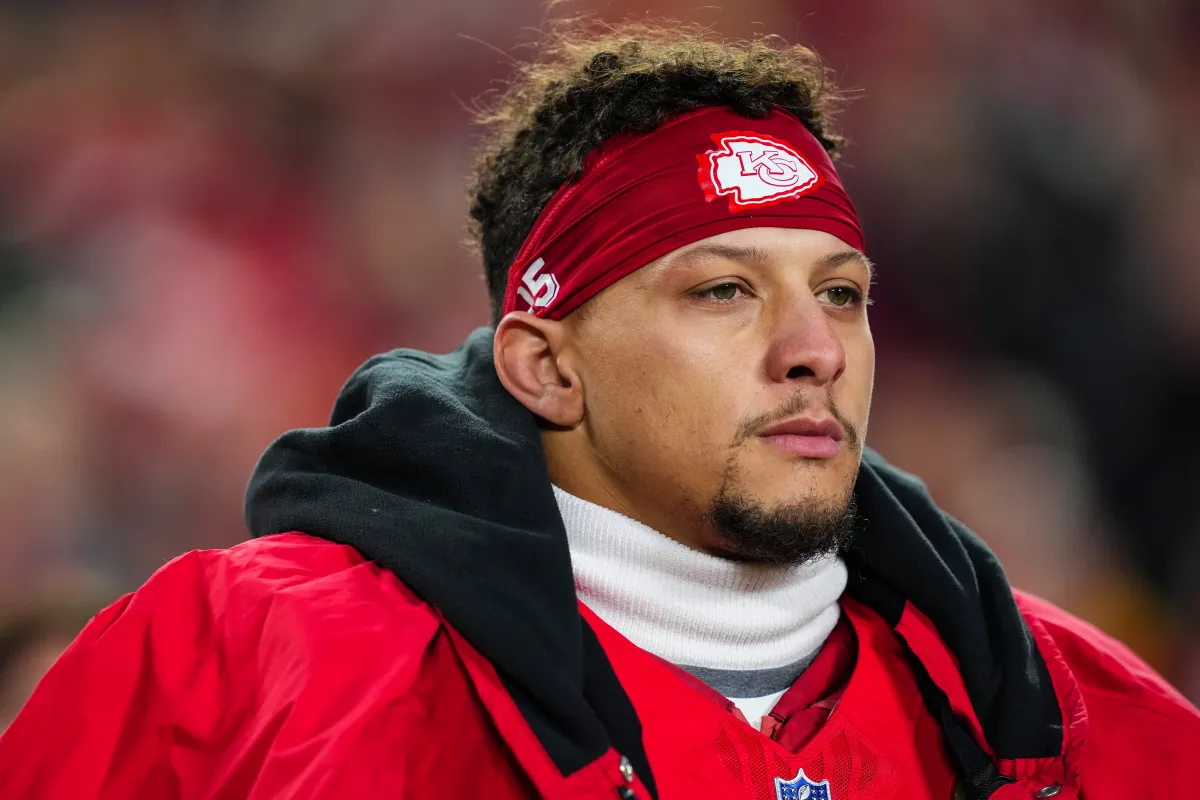
For the first time in a decade, the winter winds in Kansas City carried a unfamiliar chill of premature finality. The Kansas City Chiefs, a franchise that had grown accustomed to playing deep into January and February, found themselves on the outside of the postseason picture looking in, concluding a bruising and deeply disappointing 6-11 season. It was a campaigns marked not just by tactical shortcomings or roster imbalances, but by a moment of collective trauma that transcended the win-loss column. In December, the heart of the franchise, superstar quarterback Patrick Mahomes, collapsed to the turf with a devastating knee injury that tore both his anterior cruciate ligament (ACL) and lateral collateral ligament (LCL). For a city that had come to view Mahomes as an invincible, magic-weaving savior, the sight of him clutching his knee was a sobering reminder of the fragile mortality of even the greatest athletes. The offseason quickly became a dual-track race against time: while head coach Andy Reid and the front office worked to aggressively retool a depleted roster through difficult cuts and fresh acquisitions, the true destiny of the franchise rested entirely on the quiet, grueling rehabilitation of their franchise quarterback.
The path back from a multi-ligament knee reconstruction is a lonely, agonizing journey that testing an athlete’s soul far more than their physical endurance. For Patrick Mahomes, the offseason was not a time for vacation or celebration, but a relentless cycle of physical therapy, swelling management, and micro-milestones that took place far away from the flashing lights of the stadium. An injury of this magnitude—tearing both the ACL and LCL—does not just compromise a player’s lateral quickness; it threatens the very foundation of how they interact with the world around them. The psychological toll of such a setback can be paralyzing, as an athlete must learn to trust their own body again, fighting through the phantom pain and the instinctual fear of re-injury. Reports from the Chiefs’ training facility, however, have painted a picture of remarkable resilience, with Mahomes’ recovery progression pacing exceptionally well ahead of schedule, fueling a cautious optimism that he will be under center when Week 1 finally arrives.
Yet, the true test of Mahomes’ return lies not just in his physical readiness, but in his mental approach to the game that made him a global icon. Speaking to the media on Thursday, the quarterback silenced any speculation that he might return as a diminished, more tentative version of himself, declaring with fierce conviction that he has no intention of altering his high-stakes, off-script style of play. “When I get on the field, I’m going to be myself; I’m not going to hold anything back,” Mahomes asserted, a statement that surely sent a mix of exhilaration and anxiety through the hearts of Chiefs fans and coaching staff alike. For Mahomes, playing quarterback is an act of creative expression—scrambling outside the pocket, throwing from improbable arm angles, and risking his body to move the chains are not extras, but the very core of his identity. His refusal to play with a governor on his engine highlights the human element of sports: the absolute rejection of fear in pursuit of greatness, even when the scars on his knee are still fresh.
This unyielding attitude was put into practice as Mahomes made his highly anticipated return to the field during Organized Team Activities (OTAs). While he was limited to partial workouts, observers noted that his movement patterns appeared fluid and his trademark arm strength remained entirely intact. Still, Mahomes is grounded enough to recognize that looking good in shorts and a helmet in May is vastly different from escaping a collapsing pocket in September. He emphasized that his rehabilitation is an ongoing, step-by-step process that requires immense daily discipline throughout the suffocating heat of the summer and into the crucible of training camp. “Next step will be getting with the team and getting under center,” Mahomes explained, outlining the transition from isolated throwing drills to the chaotic, reactive environment of a live practice. “It’s a process, you’ve got to stay a part of it… You have to stay great every day, and if you do that, you get the opportunity to get out there on the field.”
Standing alongside Mahomes in this journey is head coach Andy Reid, whose relationship with his quarterback has always resembled that of a proud, protective father as much as a tactical mastermind. Reid, a veteran of the NFL’s brutal ups and downs, has seen countless careers altered by injury, and his approach to Mahomes’ recovery is a delicate balance of encouragement and supreme caution. Expressing his immense pride in his quarterback’s work ethic, Reid remarked, “I like what I’ve seen. He’s working hard. This is good for him. You get him out there throwing; it’s rehab… He’s doing partial practice. It’s important. He’s busted his tail to put himself in this position.” Reid’s comments reveal the tight-knit ecosystem surrounding the superstar, highlighting a collaborative effort where coaches, trainers, and world-class physicians maintain constant, transparent communication to ensure that Mahomes’ competitive fire does not burn coach and player alike by rushing the recovery timeline.
Ultimately, the story of the upcoming Chiefs season is not just about schematic adjustments or contract negotiations; it is a profoundly human narrative of redemption and resilience. The franchise’s disappointing 6-11 record last year exposed their vulnerability, stripping away the aura of invincibility and leaving a hungry team eager to prove that their era of dominance is far from over. As the organization navigates a transformed roster, the sight of number fifteen reclaiming his place on the field represents a beacon of hope for an entire community. The road from a devastating December injury to a Week 1 return is paved with pain, sweat, and quiet doubt, but Patrick Mahomes’ journey reminds us why we watch sports in the first place—to see human beings confront their greatest physical setbacks, refuse to compromise who they are, and fight their way back to the top of the mountain.