

The Human Heart vs. The Algorithm: Nashville’s Battle to Keep AI from Stealing the Soul of Music
In the heart of Nashville, where every street corner seems to echo with the twang of a steel guitar and the emotional honesty of a well-crafted lyric, an unlikely tension is brewing. The same technology that powers self-driving cars and virtual assistants has now set its sights on the music industry, and the results are both fascinating and deeply unsettling. Artificial intelligence has quietly infiltrated the creative process, churning out songs that sound hauntingly authentic, and in some cases, these digital creations are actually climbing the charts. According to recent data from the streaming platform Deezer, a staggering 44% of daily music downloads now consist of AI-generated content, a number that has musicians, producers, and songwriters sitting up and taking notice. Perhaps more alarming is the story of Breaking Rust, an entirely artificial “band” that managed to debut at number nine on the Emerging Artists chart last year, riding the success of two tracks called “Walk My Walk” and “Livin’ On Borrowed Time.” For those who have dedicated their lives to the craft of making music, this represents not just a technological shift, but an existential question about what it truly means to create art.
Country artist Ben Gallaher, who has been playing guitar since the tender age of six, represents the human counterpoint to this digital wave. For Gallaher, the very idea of an AI band competing with flesh-and-blood performers seems almost absurd, not because the technology isn’t impressive, but because it fundamentally misses the point of what makes music meaningful. “I’m a live guy, so you can’t take an AI band and go see the show because there is no in-person band,” he points out with the practical wisdom of someone who has spent countless nights on stage, feeding off the energy of a crowd. Gallaher’s confidence stems from decades of experience, those years of calloused fingers and countless practice sessions that no algorithm can replicate. “AI can’t replace the human heart,” he insists, his voice carrying the conviction of someone who has poured his soul into every chord. “Nashville’s a special place. There’s no place like it in the world musically, and it’s always been that way. AI is not taking that away.” Yet even Gallaher, a traditionalist at heart, sees value in the technology when it’s used as a tool rather than a replacement. He’s quick to embrace AI for practical applications like finding venues based on listener demographics, recognizing that smart business decisions can help artists thrive in an increasingly complex industry. But when it comes to the actual writing of songs, he draws a clear line in the sand, understanding that claiming authorship of something a machine generated would be a fundamental betrayal of artistic integrity.
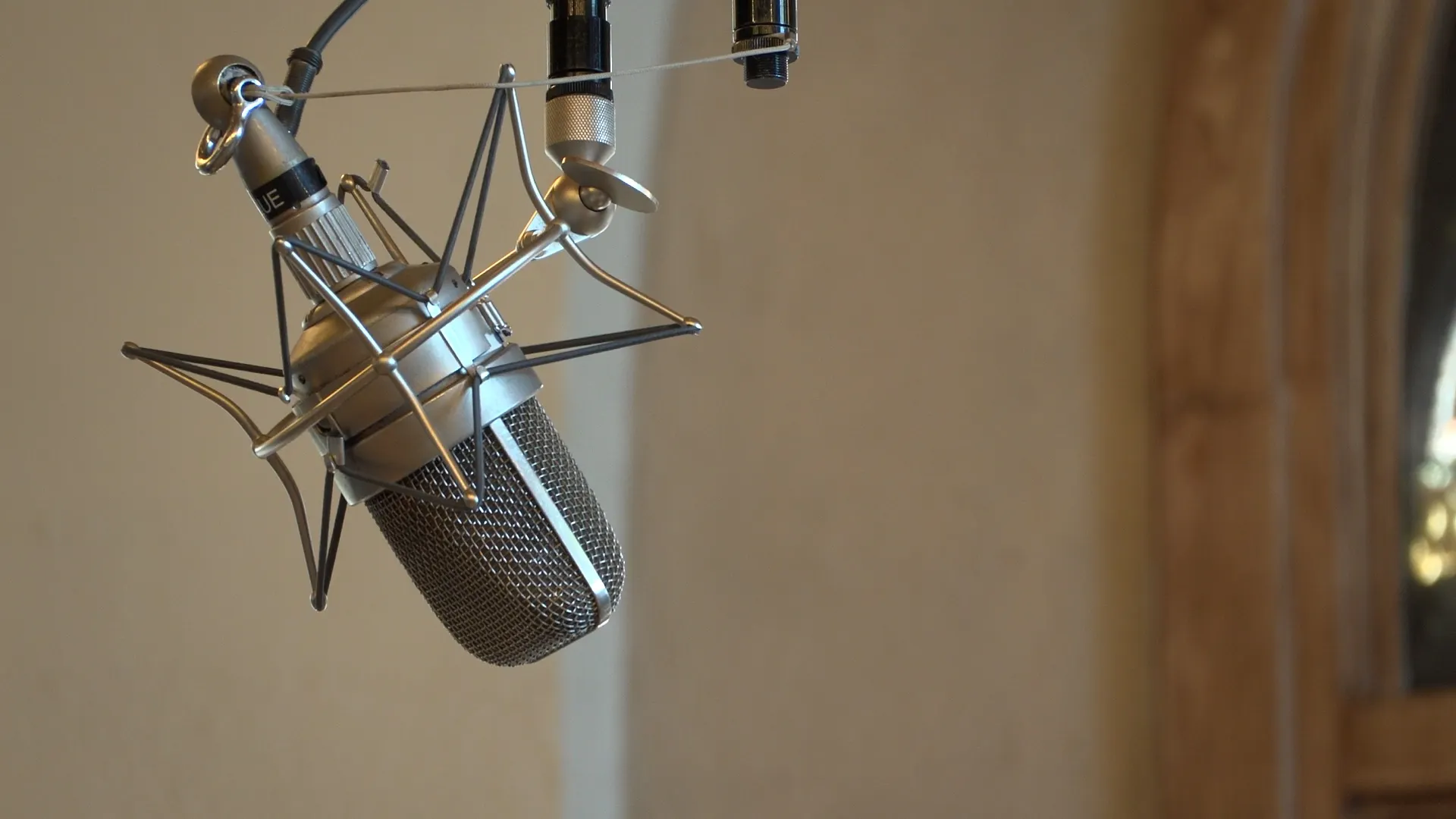
The recording studio, that sacred space where musical ideas transform into polished tracks, has become ground zero for this technological revolution. Joe Baldridge, who serves as Director of Operations at the renowned Ocean Way Nashville, offers a surprisingly nuanced perspective on the role AI now plays in the creative process. Rather than viewing it as a threat, he sees artificial intelligence as another collaborator, a digital presence in the room that can help spark ideas or refine existing ones. “They’re going to want to use it to create an edge in their workflow,” Baldridge explains, acknowledging that the modern music industry demands efficiency and innovation. “You could use it as a collaborator. You could use it as an editor.” This pragmatic approach acknowledges that technology has always been part of music production, from drum machines to vocal manipulation software. What concerns Baldridge is not the existence of these tools, but the potential loss of the irreplaceable human element that has always defined great music. He observes that audiences have an almost uncanny ability to detect when something lacks that ineffable quality of authenticity, when a track feels manufactured rather than felt. “We’ve had drum machines for a long time. We’ve had ways to manipulate vocals for a long time. We’ve had ways to grab incredible sounds from many different things and program them together to mock up a track,” he reflects. “Humanity and that representation of authenticity and art is going to be something that audiences will seek out.” In his view, there’s an emotional recognition that happens when humans connect with music, something that transcends mere technical proficiency.
The legal landscape surrounding AI-generated music remains largely uncharted territory, and this uncertainty has created a growing divide within the industry. A significant coalition of over 200 artists, including prominent names like Billie Eilish, Nicki Minaj, Peter Frampton, Katy Perry, and Smokey Robinson, has signed on with the Artist Rights Alliance, lending their voices to a collective call for regulation and protection. Lee Miller, who serves as board president of the Nashville Songwriters Association International, speaks with the urgency of someone who understands what’s at stake. “Every song comes from a lifetime of experience,” he says, his words carrying the weight of someone who has witnessed the evolution of songwriting firsthand. “You will absolutely destroy the art if you take away the human experience.” Miller’s concern centers on how AI systems operate, pulling from vast databases of existing music to generate new compositions that mimic the style of real songwriters. When someone types a prompt into an AI program, the resulting song is essentially a sophisticated form of copying, reassembling elements from countless human creations into something that appears “new.” This process, Miller argues, muddies the waters of artistic distinction, blurring the line between genuine expression and what he derisively calls a “spreadsheet.” His rhetorical question cuts to the heart of the matter: “Is that what the public wants? Do you want to live in a society where everything is just generated by the robot?”
The legal and ethical landscape surrounding AI-generated music is as murky as a swamp on a foggy morning, with much-needed clarity still years away. Entertainment attorney Barry Shrum explains that America’s copyright laws were fundamentally designed with human creators in mind, established to incentivize people to produce original work that enriches culture and benefits society. The U.S. Copyright Office currently refuses to grant protection to works created entirely by artificial intelligence, a stance that seems reassuring until you consider the complexity of songs that blend human and machine contributions. Lee Miller, who leads the Nashville Songwriters Association International as board president, articulates the anxiety felt by professional songwriters with poetic clarity. “Every song comes from a lifetime of experience,” Miller reflects, capturing the essence of what makes music resonate with listeners. “You will absolutely destroy the art if you take away the human experience.” His concern centers on how AI systems fundamentally operate, analyzing and replicating the work of human songwriters, essentially copying their styles and lyrical approaches in ways that blur the boundaries between inspiration and theft. Miller worries that this “muddies the waters” of what constitutes genuine art, turning something deeply personal into what he dismissively calls a “spreadsheet.” His frustration is palpable, and he’s not alone. More than 200 artists, including major names and indie acts alike, have signed onto the Artist Rights Alliance letter condemning the unregulated use of AI in music creation-and his central question to lawmakers seems to be exactly the issue at the heart of this debate, a plea for some kind of intervention, some kind of guardrail that definitively delineates what is human creative expression and what is synthetic imitation.
As these philosophical and artistic debates rage on, the legal and corporate worlds are scrambling to adapt to a reality that seems to change with each passing week. Entertainment attorney Barry Shrum explains that the foundational principles of U.S. copyright law remain firmly rooted in a “human centric” worldview. The Copyright Office has been clear: anything created solely by artificial intelligence does not qualify for copyright protection. “Our copyright law was developed and foreseen as something that would incentivize humans to create things so that we can benefit society and grow our culture,” Shrum notes, articulating a vision of law that predates the digital age. But the industry is slowly responding to these unprecedented challenges. In July, major industry organizations like the Recording Industry Association of America and the International Federation of the Phonographic Industry began proposing guidelines that would require streaming platforms to clearly identify AI-generated and AI-assisted content. The response from major streaming services has been gradual but noticeable. Apple Music has announced plans to begin labeling AI music by the end of 2026, while Spotify, which continues to allow AI-generated songs, has introduced an “AI Persona” badge for artists’ profiles. SoundCloud has also embraced transparency, disclosing AI-generated content while simultaneously prohibiting third parties from using artists’ material to train AI models. For now, the industry appears to be searching for a middle ground, one that allows for technological innovation while preserving the fundamental value of human creativity. The tension between progress and preservation, between the remarkable capabilities of artificial intelligence and the irreplaceable magic of human expression, may well define the next chapter of music history. As Gallaher so simply yet powerfully stated, there is no substitute for the real thing, no algorithm that can replicate the heartbreak, joy, and raw experience embedded in every note of a truly human song. The technology will continue to advance, and the debates will rage on, but for those who truly love music, the question remains beautifully simple: no matter how sophisticated the machine, can it ever truly capture what it means to be alive?