



The Clancy Trial: A Mother’s Descent, A System’s Failure
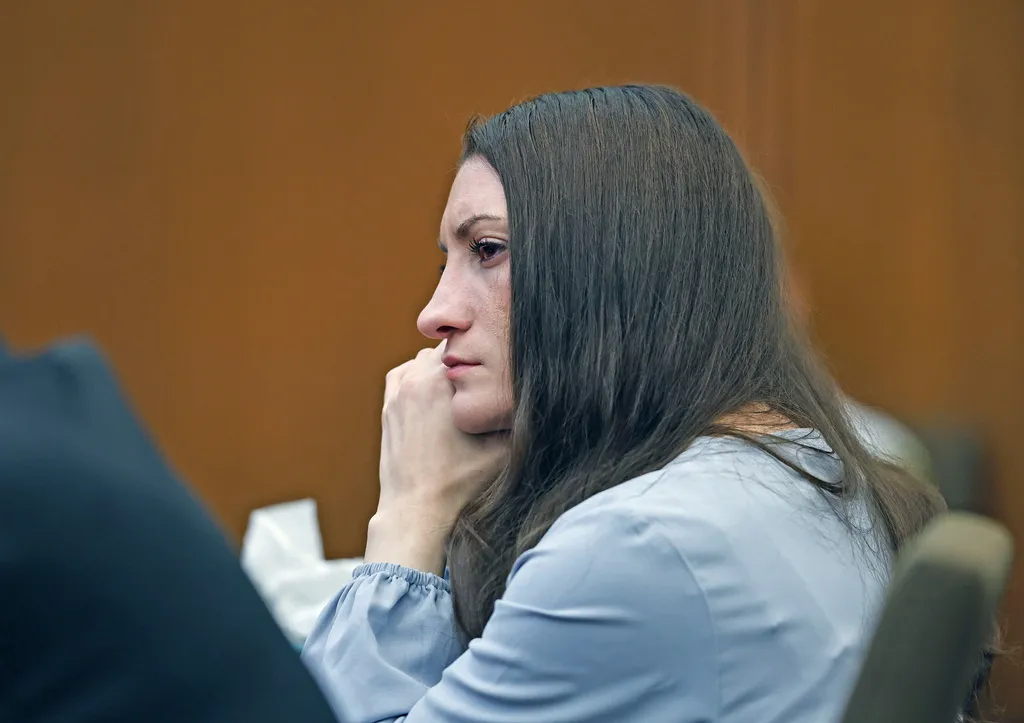
The Plymouth County Superior Court jury now faces one of the most heartbreaking decisions in recent Massachusetts legal history. Lindsay Clancy, a mother who has never denied killing her three young children in January 2023, waits to learn whether she will spend her remaining years in a prison cell or within the walls of a state psychiatric facility. After five weeks of testimony that laid bare the terrifying spiral of postpartum psychosis, the verdict will ultimately determine not just Clancy’s fate, but whether society views her as a murderer or as a woman whose mind betrayed her in the most unimaginable way. The trial has become more than a simple question of guilt or innocence—it has transformed into a national conversation about how we fail mothers at their most vulnerable moments, how stigma silences desperate pleas for help, and whether our mental health system possesses the tools and will to intervene before tragedy strikes.
Jamie Rosen, a mental health attorney from New York who has spent years studying how families navigate psychiatric crises, spoke powerfully about what the Clancy case reveals about our collective unwillingness to address severe postpartum illness. The stigma surrounding maternal mental health remains so profound that many women choose silence over disclosure, terrified that admitting to intrusive thoughts or hallucinations will mark them as unfit mothers. “Public discussion surrounding the Clancy trial has highlighted concerns that many women are reluctant to fully disclose severe postpartum symptoms because of stigma and fear,” Rosen explained. The goal, she emphasized, should be creating environments where mothers feel safe revealing their darkest thoughts, knowing they will meet support and treatment rather than judgment and condemnation. But the Clancy case demonstrates how far we remain from that ideal. In the months leading up to the tragedy, Clancy repeatedly told clinicians and family members about her sleeplessness, her terrifying intrusive thoughts, her hallucinations, and her mounting anxiety. Yet during critical appointments, she denied having thoughts of harming herself or others—a pattern Rosen says is heartbreakingly common among mothers who fear being labeled dangerous or unfit. Without complete honesty from patients and without systems designed to look beyond surface-level answers, providers underestimate risk, and families remain unaware of legal options that might have saved lives.
The legal mechanisms designed to intervene in psychiatric crises exist on paper, but their practical application often falls tragically short. Emergency hospitalization laws theoretically allow clinicians or relatives to seek immediate psychiatric evaluation when someone poses a substantial risk of harm. In Massachusetts, where this tragedy unfolded, the law provides several avenues for intervention. Under Chapter 123, Section 12, emergency hospitalization becomes possible when mental illness creates a “likelihood of serious harm,” and a qualified clinician can authorize admission for up to three days. Police officers can take someone into custody for evaluation in genuine emergencies, and perhaps most significantly, family members can petition a court for a warrant to bring their loved one before a judge for psychiatric evaluation. Yet Rosen emphasizes that concern alone never suffices—the evidence must support a statutory finding that the person poses a substantial risk of serious physical harm. Patrick Clancy testified about his wife’s alarming deterioration: the dramatic weight loss, the paranoia, the suicidal thoughts, the desperate fear that her medications were destroying her mind. She declined inpatient care repeatedly, and her providers disagreed among themselves about whether she was truly psychotic. The family could have pursued emergency evaluations through various channels, but whether hospitalization would have occurred depended entirely on what clinicians and courts knew at any given moment—and whether the legal threshold could be satisfied before time ran out.
Assisted Outpatient Treatment, known as Kendra’s Law in New York, represents another theoretical tool that proved useless in Clancy’s situation. This court-ordered approach allows individuals with serious mental illness to receive mandated treatment while living in the community, potentially including therapy, medication management, and case coordination. But Rosen points out that AOT was designed for people with established histories of treatment non-compliance resulting in hospitalizations or violent behavior, not for someone who might pose future risk. Clancy’s symptoms escalated with terrifying speed over weeks rather than years, and she had no prior history of violence or refusing treatment. Even when AOT is granted, its enforcement mechanism remains weak—the consequence for non-compliance is merely a hospital evaluation, not guaranteed admission or forced medication. The trial revealed how quickly Clancy’s condition deteriorated as she cycled through more than a dozen medications, reached out to suicide hotlines, visited emergency rooms, and spent time at McLean Hospital shortly before the killings. Yet she continued to deny psychosis during key appointments, making any attempt to pursue court-ordered outpatient care nearly impossible. The legal framework designed to help people like Clancy simply could not move fast enough or respond flexibly enough to match the velocity of her decline.
Guardianship arrangements and court warrants offer additional pathways that sound promising but often fail to prevent crisis. Rosen explained that Article 81 guardianship allows families to coordinate care, monitor symptoms, and communicate with providers, yet guardians cannot compel psychiatric treatment or authorize involuntary admission to mental health facilities. This limitation proved devastating in Clancy’s case, where relatives testified she was simultaneously “begging for help” while also resistant to certain medications and fearful of their effects. Even with a guardian appointed, she could not have been forced into inpatient care without meeting strict criteria under mental health law. Mental hygiene warrants represent another option, allowing courts to order psychiatric evaluations when someone poses substantial risk of harm. But the process moves slowly, requires personal knowledge of the individual’s condition, and still offers no guarantee of hospitalization. For families watching a loved one spiral into psychosis, judicial procedures may simply take too long. Rosen stressed that in rapidly escalating postpartum crises, families need immediate tools, not legal processes measured in days and weeks. The gap between recognizing danger and legally compelling intervention remains dangerously wide, and Clancy’s case illustrates the devastating consequences when families fall into that gap.
Perhaps the most practical lesson to emerge from this tragedy involves proactive safety planning before crisis strikes. Rosen emphasized that effective safety plans are simple, forward-thinking, and centered on communication. Families should ensure their loved ones sign HIPAA releases, healthcare proxies, and powers of attorney while still stable, granting relatives permission to speak with providers during emergencies. “Many families become frustrated when providers will not share information, citing privacy constraints,” Rosen said, acknowledging how often concerned relatives hit walls of confidentiality. She urged families to maintain current medical information—diagnoses, medications, insurance details, and provider contacts—and to identify clear warning signs that demand action. In Clancy’s case, relatives knew she experienced daily suicidal thoughts, hallucinations, intrusive thoughts, and escalating fear about medication side effects. Yet this information remained scattered across multiple clinicians, hotlines, emergency rooms, and family members who each held fragments of the full picture. Rosen warned that crises “often become dangerous when information remains compartmentalized,” and early communication might have allowed providers to “connect the dots” before tragedy became inevitable. The Clancy case demonstrates that we need better systems for sharing critical information across treatment teams and with families, breaking down the silos that prevent early intervention.
The broader implications of this trial extend far beyond one family’s tragedy, touching the very foundations of how we approach maternal mental health and psychiatric emergencies. Rosen said the case underscores the urgent need for earlier communication, clearer pathways to emergency care, and reduced stigma surrounding postpartum psychosis. Clinicians must take behavioral changes seriously—especially during major life transitions like childbirth—and share concerns across treatment teams rather than working in isolation. Families must feel empowered to report symptoms even when providers cannot respond in detail, understanding that their observations might provide the missing piece clinicians need. Lawmakers may face renewed pressure to modernize emergency intervention laws, creating faster, more flexible tools that can respond to the unique characteristics of postpartum psychiatric crises. But beyond policy changes, this case demands a cultural shift in how we discuss maternal mental health. We must create spaces where mothers can speak honestly about frightening thoughts without fear of judgment or separation from their children. We must educate families about the warning signs of postpartum psychosis and the legal options available before emergencies escalate. And we must recognize that behind statistics and legal arguments lies a human story of a mother who desperately needed help that never arrived in time—a reminder that our mental health system’s failures have real, irreversible consequences that echo through families and communities forever. The jury’s verdict will provide some measure of resolution, but the questions this case raises about responsibility, intervention, and compassion will linger long after the courtroom falls silent.