






Modern friendships are supposed to be built on shared memories, late-night laughs, and mutual support, but for Generation Z, they are increasingly defined by a much colder currency: compound debt and digital IOUs. A recent Zelle survey of 1,000 U.S. consumers shines a harsh light on this growing social crisis, revealing that financial friction is actively fracturing young relationships. For younger adults who grew up in the shadow of rampant inflation and soaring living costs, unpaid tabs are no longer just minor inconveniences—they are relational dealbreakers. More than half of Gen Z respondents admit they have fronted cash for a friend only to be left high and dry, a betrayal of trust that left deep scars on their friendship. Across all demographics, nearly half of Americans report that past-due debts have cast a shadow over their friendships, but among Gen Z, that stress level skyrockets to an astonishing 69 percent. This isn’t just about a missed twenty-dollar bill on a Friday night; it is a symptom of a deeper, systemic anxiety where the price of keeping up socially has far outpaced what young bank accounts can actually bear.
The root of this conflict lies in a dramatic shift in how young people organize their social lives and pay for collective experiences. Unlike older generations who might have paid their own way or split bills down the middle at the register, Gen Z has fully normalized the practice of “fronting”—the risky habit of having one designated friend pay the entire bill upfront with the promise of reimbursement later. In fact, 42 percent of Gen Z report that group expenses are typically handled this way, which is double the rate of millennials. This financial architecture turns casual social outings into high-stakes lending agreements; nearly half of Gen Zers admit to willingly going into debt just to cover the cost of a group event, fully expecting their circle to reimburse them in a timely fashion. This burden is amplified by the sheer scale of modern youth leisure, with nearly 40 percent of these young consumers spending upwards of $2,500 per person on major milestones like music festivals, group vacations, or milestone birthdays. When the stakes are this high, and the invoices are this steep, the pressure on the friend holding the credit card becomes immense, creating a fragile social ecosystem where a single delayed digital transfer can threaten a person’s monthly rent.
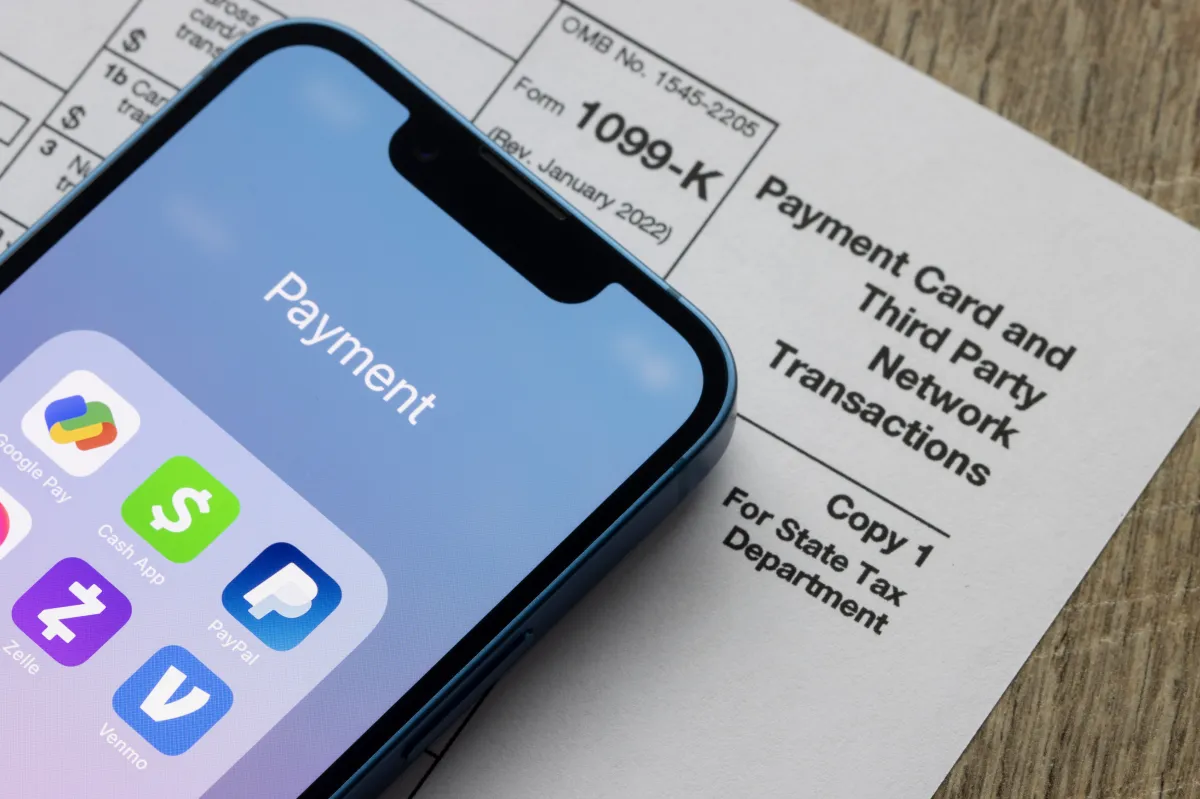
What makes this dynamic so uniquely modern—and uniquely devastating—is the subtle paradox of the very technology designed to solve it. Peer-to-peer payment systems like Venmo and Zelle have made splitting tabs frictionless, reducing the act of borrowing money to a simple tap of a screen or a quick text notification. Yet, as financial experts point out, this incredible convenience is a double-edged sword: by removing the natural friction and awkwardness of asking for a physical loan, digital apps have normalized a culture of constant micro-transactions and casual borrowing, trapping young adults in a web of perpetual financial entanglement. While past generations had time to contemplate the awkward reality of handing over hard cash, Gen Z has grown up with instant transfers, making it incredibly easy to click “send” without fully weighing the long-term emotional and financial liabilities. The ease of transaction does nothing to soothe the ancient, agonizing human emotions that arise when that loan goes ignored; money remains a deeply personal reflection of respect and care, and when digital notifications are ignored, tech-driven convenience quickly mutates into deep-seated resentment.
When the digital requests go unanswered, the strain manifests in a devastating array of avoidant behaviors that can kill even the closest friendships. According to the Zelle report, rather than facing the discomfort of their financial obligations head-on, Gen Z has turned to a variety of digital self-defense tactics: nearly a third admit to intentionally stalling their payments, while others take more drastic measures, like ignoring incoming payment notifications, backing out of social plans to avoid face-to-face confrontation, or outright muting the dreaded group chat. This digital ghosting creates a silent, toxic distance between friends, turning what should be a support network into a source of dread and anxiety. Over time, these avoidance patterns erode the core foundation of mutual trust and open communication, leading a quarter of Gen Zers to report that unpaid balances have caused permanent, long-term damage to their friendships. Even more tragically, 14 percent of young respondents have actively cut ties with a friend over unpaid debts, while 12 percent have been on the receiving end of a friendship breakup for the exact same reason, proving that in the digital age, a ignored Venmo request can be a modern relationship death sentence.
To fully understand why these financial squabbles carry such devastating weight, one must look at the brutal economic backdrop against which Gen Z is trying to establish their adult lives. This is a generation currently coming of age during an unprecedented era of astronomical rent, persistent inflation, crushing student debt, and wages that simply refuse to keep pace with the real cost of living. Unlike older generations who had time to build a financial safety net before being hit by massive economic headwinds, Gen Z has virtually no cushion, meaning that every single dollar lost represents a tangible sacrifice. As financial planners point out, younger people don’t have the luxury of casually letting go of a hundred dollars; for them, that missing money isn’t just fun money, but rather the difference between buying groceries or paying utility bills. Half of Gen Zers who find themselves in debt to friends and family owe sums that exceed $1,000—a monumental amount for someone working an entry-level job or navigating college. In this unforgiving economic climate, financial boundaries are not a matter of petty calculation, but of absolute self-preservation, which transforms any casual failure to pay a friend back from an innocent mistake into a direct threat to their livelihood.
Ultimately, saving both the bank accounts and the friendships of this younger generation requires a radical shift in how they communicate about money and build social boundaries. The solution lies in rejecting the culture of informal, high-interest social lending altogether and reclaiming honest, albeit awkward, upfront conversations about what is and isn’t affordable. Financial mentors suggest adopting a simple rule of thumb: never lend money to a friend unless you are prepared to write it off entirely as a gift, freeing the relationship from the toxic ledger of debt and repayment. For smaller, day-to-day encounters, friends can ditch the exhausting digital tracking and embrace a more reciprocal, low-stress rhythm of taking turns—paying for gas one day, buying lunch the next—which naturalizes generosity and weeds out transactional friction. If a social circle cannot comfortably discuss the awkward details of repayment before booking a trip or sitting down for dinner, they have no business entering into a financial agreement in the first place. By removing the pressure to “front” large sums and learning to say “no” to experiences outside of their financial comfort zones, Gen Z can begin to heal their social groups, ensuring that their friendships are once again built on genuine human connection rather than the cold physics of digital debt.