





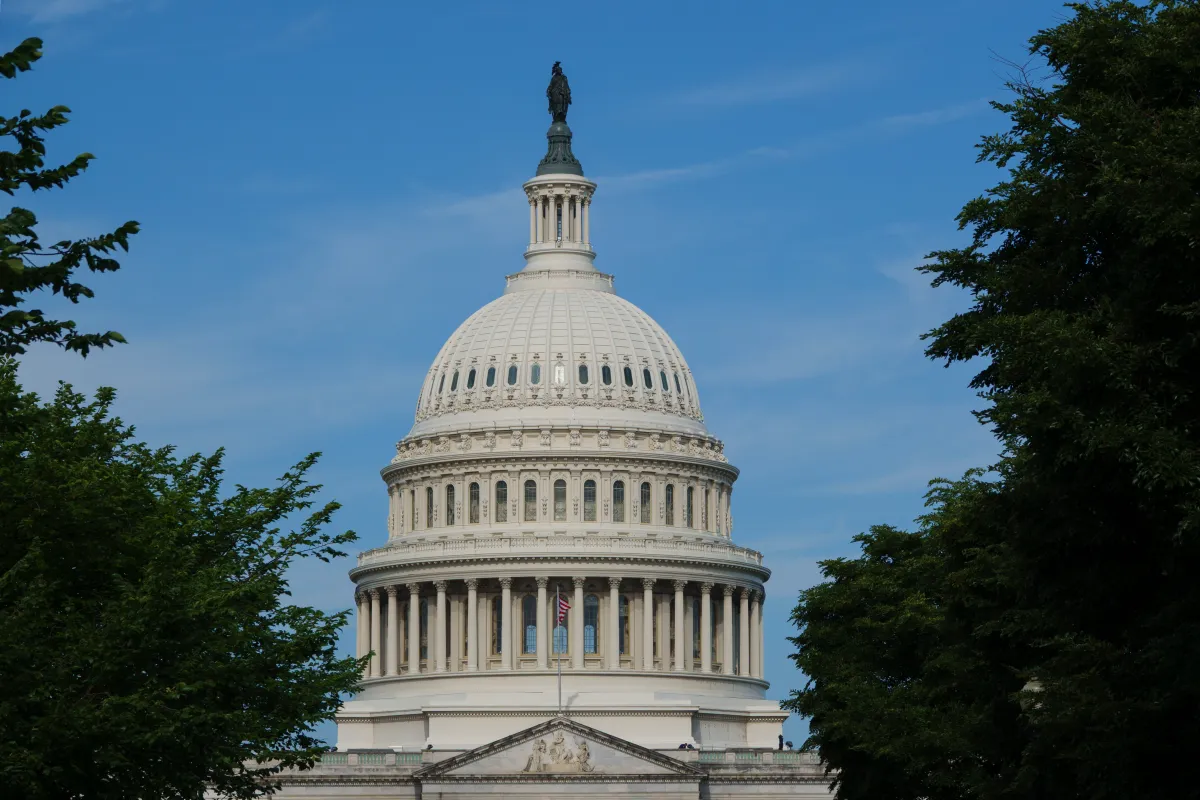
In the quiet, exhausted hours of a Saturday morning, as the rest of the nation slept, the United States Senate took a decisive step to avert a self-inflicted economic crisis, voting 90 to 6 to pass a short-term spending bill. This crucial legislative lifesaver ensures that the federal government remains fully funded through December 11, strategically pushing the volatile threat of a government shutdown safely past the highly contested November midterm elections. For weeks, the halls of Congress had been thick with tension, echoing with the anxieties of lawmakers who dreaded the prospect of campaigning to angry constituents amidst closed national parks, delayed federal paychecks, and halted public services. By extending current funding levels past the impending September 30 deadline, the Senate bought itself precious time, transferring the chaotic scramble of federal budgeting from the pre-election spotlight to the calmer waters of a post-election lame-duck session. However, this legislative band-aid is only half of the puzzle; the House of Representatives had previously passed its own version of a continuing resolution with an expiration date of December 4. Now, before this vital funding safety net can reach the desk of President Trump for his final signature, leaders from both chambers must engage in a swift, high-stakes game of political reconciliation to align their calendar dates, proving once again that in Washington, even the most basic acts of governance require a grueling test of endurance and compromise.
Behind the dry legal jargon of this “continuing resolution” lies a battlefield of deeply human priorities, where lawmakers fought bitterly over the rules that govern everyday American lives. Rather than passing a comprehensive, full-year budget for fiscal year 2027, Congress opted for this temporary extension, but they packed it with significant policy exceptions that reflect the sharp ideological divisions of the country. For instance, Democrats fought hard for, and successfully secured, a provision that strictly prevents federal funds from being diverted to the Border Patrol, successfully blocking the Trump administration’s efforts to redirect money toward hardline border security initiatives. Simultaneously, the bill acts as a quiet guardian for the vulnerable, incorporating essential adjustments to keep housing and food assistance programs afloat for millions of low-income families who rely on federal nutrition and shelter benefits to survive. Yet, the bill also contains surprising, bipartisan battlelines; a controversial clause delays the implementation of a nationwide ban on intoxicating hemp products by a month, a move that sparked intense debate among conservative lawmakers who are torn between agricultural business interests and public health concerns. Perhaps most significantly, the legislation temporarily freezes a controversial rule proposed by the White House budget office that would have given political appointees unprecedented power to hand-pick the recipients of federal grants based on their alignment with the president’s political agenda. While the administration argued this rule was a necessary tool for accountability and taxpayer protection, critics fiercely countered that it threatened to weaponize federal funding, turning objective community grants into political rewards—a battle that highlights the perpetual struggle between executive control and bureaucratic independence.
While the overwhelming 90-6 majority reflects a collective sigh of relief, the six dissenting votes represent a fascinating cross-section of political conviction, starting with two prominent Republican senators who refused to prioritize short-term political convenience over long-term fiscal discipline. Senator Rand Paul of Kentucky, a physician by trade and a legendary libertarian firebrand, stood firm in his absolute opposition to the bill, consistent with his career-long crusade against skyrocketing federal debt and runaway government spending. For Paul, voting against these massive, temporary spending packages is a matter of profound constitutional principle; he argues that continuously kicking the fiscal can down the road via stopgap measures is an act of fiscal cowardice that bankrupts the nation’s future. Joining him in the “no” column was fellow physician Senator Bill Cassidy of Louisiana, who has served in the upper chamber since 2015 following a distinguished run in the House of Representatives. Cassidy’s medical background has long shaped his meticulous, analytical approach to complex healthcare and economic policies. His dissent underscores a growing frustration among fiscal conservatives who believe that the endless cycle of short-term funding extensions prevents Congress from doing its actual job: thoroughly debating, analyzing, and passing individual, long-term appropriations bills that keep the government accountable to the taxpayers.
On the other end of the political spectrum, two of the Democratic Party’s most powerful progressive champions also broke ranks to vote against the funding extension, refusing to endorse a status-quo compromise that they believe falls tragically short of addressing systemic national inequalities. Senator Bernie Sanders, the fierce independent from Vermont who caucuses with the Democrats, cast a dissenting vote that speaks directly to his lifelong struggle on behalf of the working class. To Sanders, a temporary funding bill that simply maintains current spending levels is a missed opportunity to aggressively expand public healthcare, boost stagnating wages, and demand fair tax contributions from the nation’s wealthiest corporations and mega-conglomerates. Standing shoulder-to-shoulder with him in dissent was Senator Elizabeth Warren of Massachusetts, the former Harvard Law School professor and consumer protection advocate who has dedicated her political career to fighting corporate greed and economic disparity. Since entering the Senate in 2013, Warren has been a relentless watchdog for the average consumer, and her rejection of this stopgap funding measure reflects her refusal to accept backroom political compromises that ignore the urgent need for robust financial regulation and direct, systemic relief for struggling American families.
Rounding out the rebellious six are two veteran Democratic institutionalists who chose this moment to make a principled stand, demonstrating that dissent in the Senate is not reserved solely for the ideological extremes. Senator Ed Markey of Massachusetts, who transitioned to the Senate in 2013 after more than three decades of influential service in the House, voted against the bill, likely motivated by his unwavering dedication to climate action, environmental justice, and strict oversight of massive technology corporations. For a progressive champion like Markey, a short-term funding bill that fails to lock in aggressive, long-term investments for clean energy and consumer privacy protections is simply unacceptable. Alongside him stood Senator Tim Kaine of Virginia, a highly respected moderate and the Democratic vice-presidential nominee in the 2016 election, whose career spans roles as mayor of Richmond, lieutenant governor, and governor of Virginia. Kaine’s surprising dissent carries immense weight given his reputation as a pragmatic, collaborative lawmaker deeply engaged in foreign policy and military affairs. Because Virginia is home to one of the largest populations of federal employees and military personnel in the nation, Kaine’s vote serves as a poignant protest against the unstable, disruptive nature of stopgap funding, which subjects thousands of dedicated civil servants in his home state to constant, stressful cycles of impending shutdown anxiety.
Ultimately, the passage of this bill is a calculated, strategic maneuver designed to protect lawmakers on both sides of the aisle from the wrath of voters on Election Day. Senate Majority Leader John Thune had passionately implored his colleagues to strike a deal before the August recess, recognizing that a government shutdown in the heat of a campaign season would be absolute political suicide, drowning out their campaign messages with media coverage of closed government offices and unpaid federal workers. By pushing the deadline to mid-December, Congress has successfully insulated the critical November 3 midterm elections from the immediate fallout of their fiscal dysfunction, allowing candidates to make their final cases to the American public without the shadow of a shuttered government looming over the ballot box. Yet, this temporary peace is incredibly fragile; the House and Senate must still quickly iron out the differences between their December 4 and December 11 deadlines to present a unified bill to President Trump. If they succeed, the immediate crisis will be averted, but it merely sets the stage for a spectacular, high-stakes winter showdown. Come December, with the elections decided and a new political landscape established, lawmakers will be forced to return to the negotiating table to either finally agree on a comprehensive, full-year budget for fiscal year 2027 or, once again, resort to the exhausting, cyclical theater of temporary funding.