




For many of us, the kitchen is the undisputed heart of the home, a warm and comforting sanctuary where we prepare meals to nourish our families, celebrate milestones, and unwind after a long day. However, beneath this domestic tranquility lies an invisible, often underestimated hazard that can quickly turn a peaceful family dinner into a terrifying, life-altering medical emergency. Steve Wagner, the co-founder and managing partner of the Indiana-based personal injury law firm Wagner Reese LLP, has spent decades advocating for everyday people whose lives have been completely derailed by severe foodborne illnesses. Through his legal practice, Wagner does not just see case numbers or sterile laboratory reports; he sees the profound human suffering of parents watching their children battle kidney failure from E. coli, or vibrant adults left with lifelong neurological damage from a preventable infection. What frustrates Wagner most is that the vast majority of these devastating hospitalizations do not stem from exotic foods or obviously spoiled ingredients, but rather from simple, well-intentioned misconceptions that people make in their own kitchens every single day. As the United States grapples with a steady drumbeat of agricultural recalls and active outbreaks linked to fresh produce, Wagner is speaking out to dismantle the dangerous myths of convenience that lull consumers into a false sense of security at the supermarket and the dinner table.
The first and perhaps most widespread trap that modern consumers fall into is the unquestioning trust placed in the packaging of convenience foods, particularly the ubiquitous “pre-washed” bags of salad greens, spinach, and pre-cut vegetables. In our fast-paced society, the promise of triple-washed convenience is an incredibly seductive time-saver for busy parents and working professionals trying to eat healthily. Yet, Wagner warns that relying entirely on a plastic bag’s label is a game of Russian roulette with your digestive health. The fundamental flaw in this assumption is that a “pre-washed” label only describes a single moment in the product’s long, complicated journey from the dirt to your refrigerator shelf. Between the initial commercial wash and the moment you open that bag at home, there are countless opportunities for cross-contamination during packaging, cold-storage transportation, distribution, and stocking on grocery shelves. If a pathogen like E. coli or Salmonella is introduced during these intermediate stages, the sealed plastic bag actually acts as a perfect, humid incubator for bacterial colony growth. To protect your family, Wagner advises bypassing these pre-packaged shortcuts entirely; instead, buy whole, intact heads of lettuce or raw vegetables, discard the outermost layers of leaves which are most vulnerable to environmental pollutants, and thoroughly wash the remaining produce under cold, running water immediately before consumption.
Another dangerous misconception is the belief that a simple, brief rinse under the kitchen tap is a magical sterilizing agent capable of washing away any and all microscopic threats. Many home cooks quickly run fruit or herbs under cold water for a few seconds, assuming that this cursory splash is enough to make the food safe for raw consumption. In reality, plain water lacks the chemical and physical power to neutralize or detach highly resilient pathogens, which have evolved sophisticated mechanisms to cling to the uneven, porous surfaces of fresh produce. Wagner points to the parasite Cyclospora as a prime example of this biological resilience; this microscopic organism possesses a tough, protective outer shell that is virtually impervious to a gentle stream of tap water, meaning no amount of casual rinsing will dislodge or destroy it. During active outbreaks, or when handling high-risk items like fresh cilantro, berries, or cantaloupe, a superficial rinse is simply not enough to guarantee safety. Instead, consumers must take a much more active approach by using clean vegetable brushes to vigorously scrub firm-skinned produce, washing delicate herb leaves individually, and, most importantly, choosing to thoroughly cook high-risk vegetables rather than serving them raw, as heat remains the only absolute guarantee for eliminating these microscopic invaders.
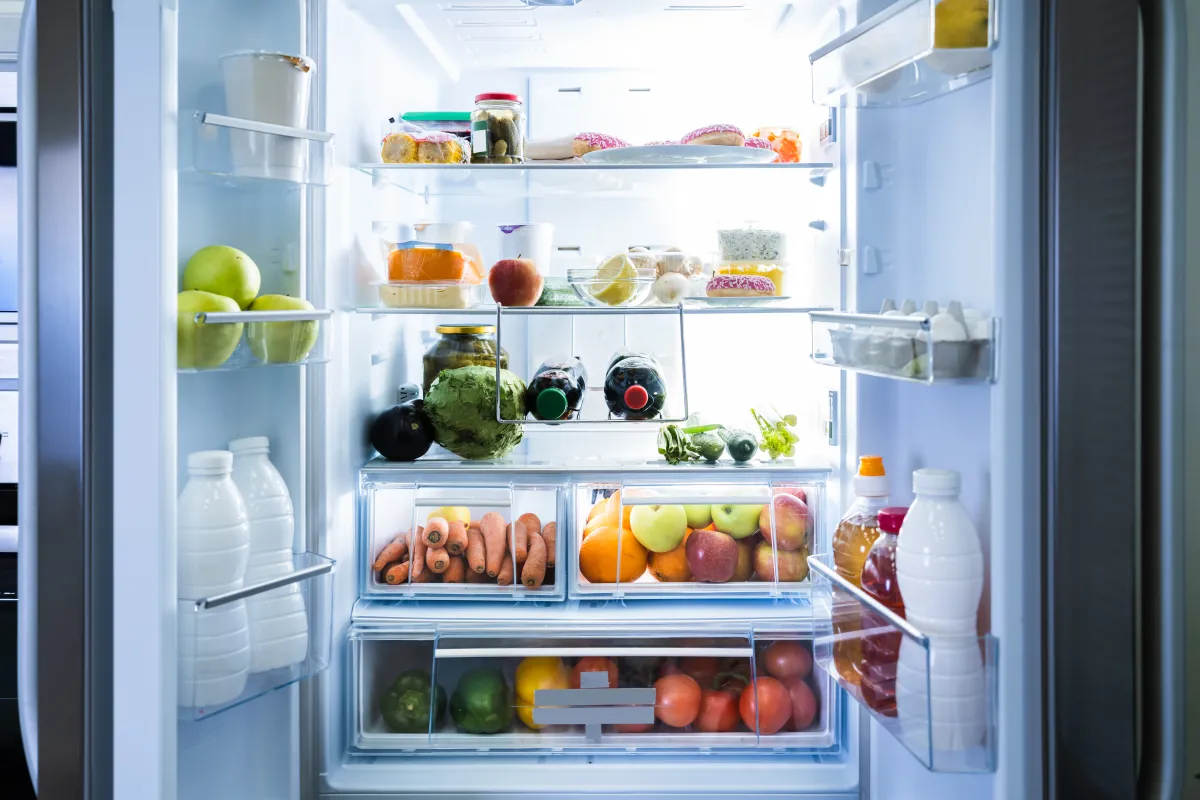
This false sense of security extends from the kitchen sink directly to the refrigerator, which many people mistakenly treat as a magical preservation chamber that completely freezes the biological clock of bacterial growth. We have been conditioned to believe that as long as food is placed inside a cold appliance, it is perfectly safe from spoilage and contamination for days, if not weeks. However, Wagner stresses that refrigeration does not kill bacteria; it merely slows down the rate of multiplication for most pathogens, keeping them in a temporary state of semi-dormancy. To make matters worse, certain highly dangerous bacteria, most notably Listeria monocytogenes, are uniquely adapted to survive and even actively thrive in chilly temperatures. Listeria can slowly multiply in the dark, cold corners of your refrigerator, spreading silently across deli meats, soft cheeses, and leftovers without producing any of the traditional, telltale signs of spoilage like sour smells, slimy textures, or mold growth. Wagner has represented numerous clients who were severely sickened and hospitalized after eating food that was stored properly and looked entirely appetizing, proving that a clean, cold refrigerator is not a substitute for consuming perishable foods quickly and keeping a strict eye on the calendar.
The dangers of the kitchen do not end with storage; they extend to how we handle and reheat the food we prepare, particularly when it comes to the common habit of warming up leftovers until they are merely pleasant to eat rather than scientifically safe. Many of us are guilty of popping a plate of yesterday’s dinner into the microwave for a minute or two, pulling it out when it is lukewarm or unevenly heated, and digging in without a second thought. Wagner warns that this casual approach to reheating is a major catalyst for foodborne illness, particularly infections caused by Clostridium perfringens, a bacterium that causes roughly one million illnesses in the United States every year, with cases dramatically spiking around Thanksgiving and the winter holidays. This pathogen thrives in the “danger zone” of temperature, reproducing rapidly in large batches of food, like gravies, stews, and casseroles, that are allowed to cool down too slowly or are reheated to lukewarm temperatures. To safely neutralize these heat-resistant spores, leftovers must be reheated to a uniform, internal temperature of at least 165 degrees Fahrenheit throughout the entire dish. Rather than relying on guesswork or touching the food to see if it feels hot, Wagner implores home cooks to invest in a simple, inexpensive digital food thermometer, converting a hazardous guessing game into a precise, life-saving habit.
Perhaps the most insidious and terrifying aspect of foodborne illness—and the reason these cases are so notoriously difficult to legally trace and clinically diagnose—is the significant delay between eating contaminated food and the first onset of physical symptoms. When people experience sudden stomach cramps, vomiting, or fever, their natural instinct is to blame the very last meal they ate, pointing fingers at the restaurant they visited a few hours prior. However, Wagner explains that many of the most dangerous pathogens, including E. coli, Listeria, and Cyclospora, have incubation periods that can range from several days to more than a week. This means that the true culprit behind a violent weekend illness was likely a meal consumed the previous Monday, long after the physical evidence has been thrown away and the memory of what was on the plate has faded entirely. This agonizing time lag leaves victims struggling to piece together a detailed timeline of their diet over the course of a week, often making it incredibly challenging to hold negligent food producers or distributors accountable. By sharing these insights, Wagner hopes to empower families to look beyond convenience, treat food safety as an active, daily discipline, and protect their households from the invisible dangers that hide in plain sight on our dinner plates.