





Our world moves at a breathtakingly breakneck speed, leaving us constantly bombarded by an endless stream of digital headlines, breaking notifications, and complex societal shifts that can easily feel overwhelming to the average observer looking to make sense of it all. Amidst this chaotic and highly saturated media landscape, human beings possess an innate, deeply rooted desire not just to passively consume information as it washes over them, but to actively engage with it, organize it, and understand where they stand in the grand, ever-evolving theater of current events. Weekly trivia and news quizzes, such as those thoughtfully curated by Fox News Digital, serve as far more than just a passing distraction on a quiet afternoon; they act as a vibrant mirror to our collective consciousness, a lighthearted challenge that tests our memory, and a digital water cooler where we can discuss the bizarre, the historic, and the deeply human stories of our time. By transforming monolithic, sometimes stressful news broadcasts into highly interactive puzzles, these quizzes allow us to pause, reflect, and find a renewed sense of agency over the relentless, daily flow of global occurrences. This shifting dynamic gracefully turns the routine act of staying informed from an exhausting daily chore into an enjoyable, rewarding pursuit of shared knowledge. Whether you are an avid political observer who tracks every policy pivot, a pop culture enthusiast keeping close tabs on the latest whirlwind of Hollywood drama, or a dedicated history buff fascinated by the preservation of national landmarks, testing your knowledge offers a satisfying sense of connection to the broader world around us. Ultimately, these quick mental workouts prove that human curiosity remains one of our most resilient traits, offering a safe, structured environment in which we can challenge ourselves, bond with our families over shared facts, and find order in an otherwise unpredictable world.
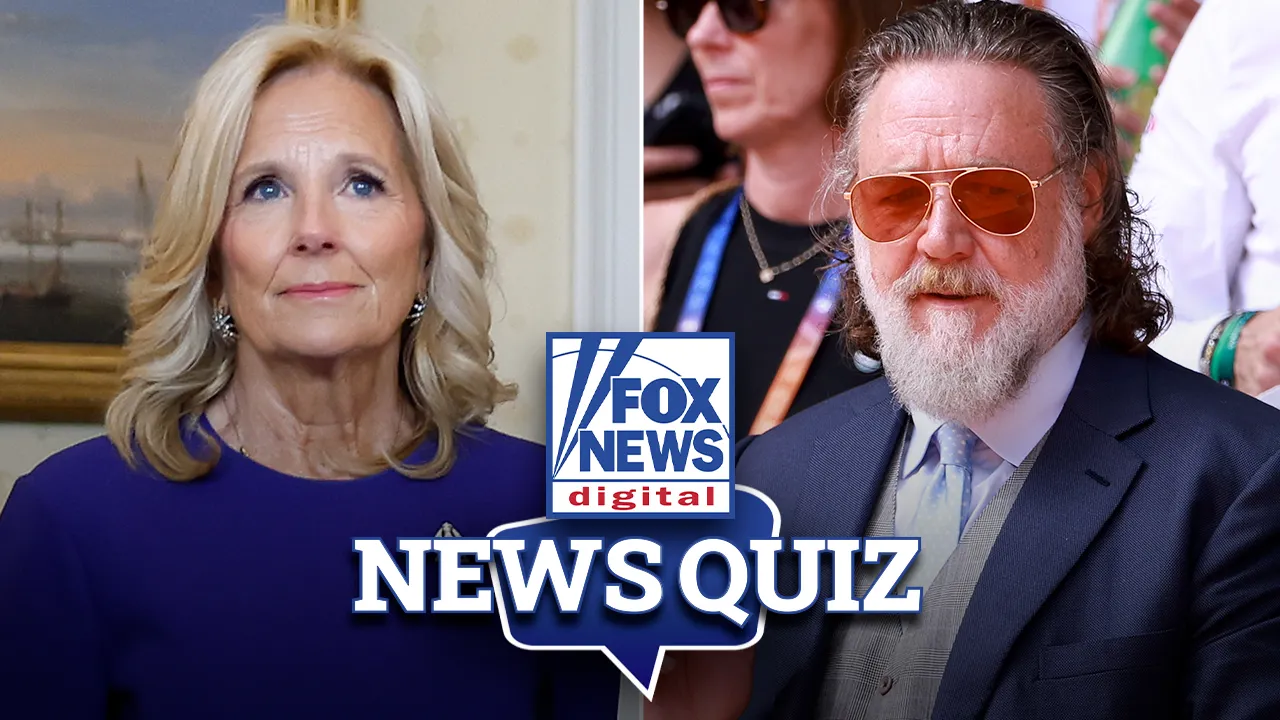
At the absolute heart of this week’s quiz is a narrative that is as deeply personal as it is profoundly political, highlighting the high-stakes anxieties that hover over the highest office in the nation during a uniquely pivotal moment in modern American history. When reports materialized regarding former First Lady Jill Biden’s intense, heartfelt concerns over former President Joe Biden’s performance during a highly scrutinized, high-stakes public event, the story struck a sensitive chord that instantly transcended partisan politics. It served as a powerful, grounding reminder to the public that beneath the highly polished, carefully curated veneer of campaign trails, national addresses, and complex global diplomacy lies a real human family grappling with the immense pressure, vulnerability, and physical toll of public service at the highest level. The relationship between a President and a First Lady has historically always been a complex, delicate duet of public partnership and fiercely private protection, but when those organic, protective instincts manifest as real-time worry over a spouse’s readiness, health, or stamina under the scorching glare of the international spotlight, the grand theater of politics becomes intensely human and relatable. This poignant scenario invites readers to reflect deeply on the nature of empathy and the immense expectations we collectively place on our leaders, who are expected to perform flawlessly on a global stage where a single misstep, brief pause, or misspoken phrase can instantly be magnified into a sweeping national crisis. By investigating this dynamic, we peel back the layers of political machinery to explore the profound emotional and psychological weight carried not just by those who inhabit the Oval Office, but by the families who stand quietly beside them, shielding their loved ones from the relentless, unsympathetic winds of public and media scrutiny. This reveals that behind the powerful facades, the basic instincts of familial love, anxiety, and devotion remain unchanged, even under the ultimate microscope of modern global power.
In sharp contrast to the solemn corridors of political power, the news quiz shifts its focus toward the volatile, glamorous, and often hyper-scrutinized world of international celebrity, capturing a moment of raw human frustration right in the heart of Europe. Academy Award-winning actor Russell Crowe, a legendary figure whose name is synonymous with intense cinematic performances and larger-than-life characters, found himself at the epicenter of a bitter, highly publicized verbal confrontation outside a prominent luxury hotel in Paris. This dramatic incident serves as yet another vivid reminder that fame, wealth, and global adulation do not immunize public figures from human emotions like anger, impatience, and the sheer claustrophobia of a life lived under constant surveillance. For decades, the relationship between celebrities and the public—frequently mediated by aggressive paparazzi and relentless onlookers wielding smartphone cameras—has existed as an incredibly delicate, tense dance that can easily boil over into toxic conflict when basic boundaries are violated in public spaces. This specific clash in Paris invites observers to look past the sensationalized tabloid headlines and honestly examine the profound psychological toll of carrying a public identity that is constantly consumed by millions, where a simple act like exiting a lobby can convert into an active battlefield of flashing cameras, demanding shouting, and emotional outbursts. By exploring this event, we are forced to humanize a seemingly invincible Hollywood icon, recognizing that behind the prestigious accolades and the rugged, tough-guy persona lies a real human being who is capable of reaching a breaking point when pushed too far, emphasizing how the heavy pressures of modern notoriety can turn an ordinary evening in the City of Light into a viral spectacle of unvarnished friction. Ultimately, it reminds us that regardless of one’s success, the universal human right to personal boundaries and a moment of peace is something we all instinctively fight to protect when we feel boxed in.
Reflecting on the equally compelling events that dominated last week’s news quiz, we are reminded of the incredibly swift, sometimes ruthless tides of domestic politics alongside the quiet, nostalgic heartbreak of shifting economic realities occurring across the American heartland. In a political landscape where loyalty and endorsement carry unprecedented weight, a dramatic primary election in Kentucky saw a Trump-backed challenger successfully defeat the prominent incumbent Representative Thomas Massie, delivering a potent, eye-opening reminder of how quickly long-held political fortunes can evaporate when national alignments clash directly with established regional legacies and grassroots support. This shocking political shakeup serves as a localized microcosm of a much broader, ongoing transformation within the wider American electorate, where traditional party configurations and internal alliances are consistently being tested, fractured, and dynamically redefined by modern populist movements. Simultaneously, the quiz touched a deeply sentimental nerve by pointing out the permanent, historic shutdown of a beloved American beer brand—a bittersweet corporate exit that felt far less like an ordinary business restructuring and much more like the tragic closing chapter of a shared cultural era for working-class communities who had long viewed that brand as a staple of their local heritage and weekend gatherings. Taken together, these stark stories from our very recent national past highlight the incredibly powerful, dual forces of political volatility and cultural erosion, vividly demonstrating how the heavy decisions made within isolated voting booths and cold corporate boardrooms directly ripple outward, fundamentally altering the structural, social, and economic landscapes of the communities we call home. These shifts, whether they occur at the ballot box or on the assembly line, remind us that change is the only true constant in American life, forcing us to constantly adapt even as we mourn the loss of the familiar institutions that once anchored our daily routines and defined our local identities.
To beautifully balance the heavy, sometimes exhausting weight of geopolitical politics and fleeting celebrity drama, this week’s challenge also thoughtfully invites enthusiastic participants to explore the remarkably rich, nostalgic tapestry of our shared heritage through the engaging lens of the American Culture Quiz. This comforting segment of the trivia experience consciously shifts the analytical spotlight away from polarizing debates and toward the familiar, warm landmarks of our daily routines, commencing with a deep, fascinating dive into the history of legendary grocery store giants that permanently revolutionized the way families shopped for and put food on their dinner tables. Beyond the aisles of these neighborhood staples, the journey also takes us on a historical pilgrimage to the enduring monuments, presidential cabins, and solemn landmarks dedicated to Abraham Lincoln, urging us all to remember the profound, unifying legacy of a leader who successfully steered a deeply fractured nation through its darkest existential hour, and whose steady, resilient spirit still echoes clearly through the grand marble halls of our modern national consciousness. By actively exploring these historical touchstones, the quiz joyfully celebrates the small, unassuming, yet incredibly strong threads that weave our geographically vast and diverse country together, casting a bright light on the regional quirks, pioneering achievements, and cultural icons that define the uniquely American experience. Delving into these historic narratives allows us to slow down and appreciate the subtle, quiet histories that exist right in our own backyards, fostering an essential sense of collective gratitude for the brilliant innovators, courageous leaders, and bedrock cultural institutions that have quietly but permanently shaped our national identity over the course of centuries. These cultural questions remind us that who we are as a people is defined not only by the headlines of the hour, but by the quiet spaces, historical triumphs, and shared memories that provide a sense of stability and continuity across generations.
Ultimately, these highly engaging weekly trivia offerings represent far more than a simple, clinical test of factual recall or mental gymnastics; they are a genuine, warm celebration of human curiosity, a welcoming digital gathering space, and a gentle invitation to intentionally step away from the relentless anxieties of our demanding daily routines to engage our minds in a profoundly meaningful and positive way. If you find yourself eager to test your own knowledge against these fascinating stories, or if you simply wish to dive much deeper into the wide, diverse variety of interactive trivia content available at your fingertips, the Fox News App is immediately and easily accessible for digital download, providing a seamless, user-friendly hub where you can easily locate all of our past, present, and upcoming quizzes with the simple tap of a button. We warmly and enthusiastically invite you to explore this expansive world of trivia, share these lighthearted challenges with your closest friends, colleagues, and family members, and friendly-challenge one another to discover who among you truly possesses the keenest eye for breaking current events and rich cultural history. Please make sure to check back with us next week when we will return with an entirely fresh, exciting batch of carefully crafted questions designed to thoroughly entertain, deeply inform, and constructively challenge your unique perspective on the world around us. Thank you so much for playing along, for keeping your vibrant sense of curiosity alive and well, and for joining us once again on this wonder-filled weekly journey through the complex, intriguing, and undeniably human stories that continually shape, define, and unite our global community. In an era marked by rapid transformation, taking a moment to reflect on what we know—and what we have yet to learn—remains a powerful way to stay connected to one another, making every single question a small step toward closer community understanding.