





In our hyper-connected digital landscape, the weekly ritual of testing one’s knowledge has evolved from a casual pastime into a cherished communal experience, offering a brief sanctuary of intellectual play amidst the relentless rush of the 24-hour news cycle. The human desire to measure our understanding of the world is deeply rooted in our psychology; it is an instinctual drive to find order in chaos, to organize a deluge of daily events into neat categories of facts, figures, and narratives. Fox News Digital’s weekly news quizzes tap directly into this fundamental human curiosity, transforming the fleeting headlines of politics, entertainment, sports, and cultural anomalies into an interactive journey of self-reflection and friendly competition. When we engage with these challenges, we are doing more than just demonstrating our retention of current events; we are participating in a modern, digital version of the traditional town square, where stories are shared, debated, and remembered. This week’s offering serves as a vivid tapestry of our contemporary moment, weaving together heavy political warnings, dramatic shifts in the worlds of pageantry and athletics, and the persistent, comforting echoes of our shared cultural history, inviting us to pause, think, and connect with the world around us.
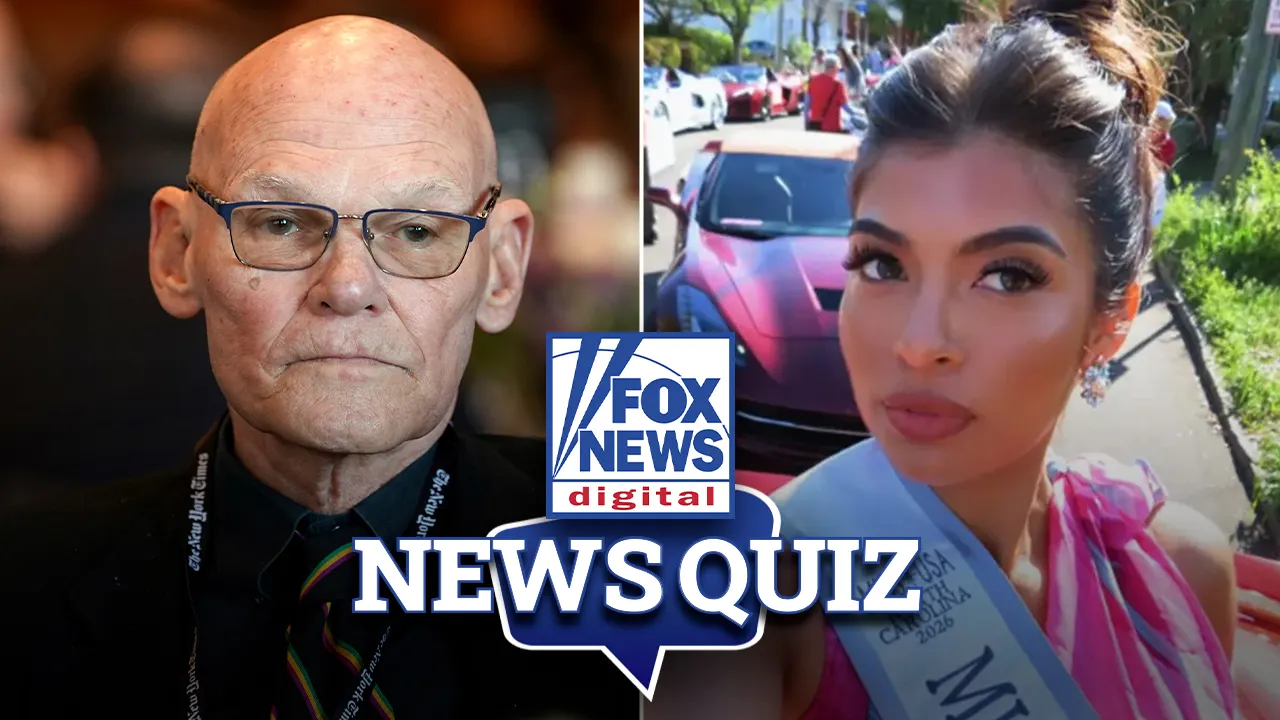
At the very heart of this week’s political discourse is the legendary and often provocative Democratic strategist James Carville, whose recent, blunt declarations have drawn a stark “red line” for his party, serving as a focal point for this week’s news quiz. Carville, affectionately known as the “Ragin’ Cajun” for his fiery rhetoric and brilliant orchestration of Bill Clinton’s historic 1992 presidential campaign, has long been a colorful and essential voice in American politics, representing a pragmatism that many feel is slipping away in the modern era. His warnings to the Democratic establishment are not merely strategic critiques; they are passionate pleas from a veteran warrior who fears that his party is losing touch with the everyday realities of working-class Americans in favor of overly academic, elitist language and ideological purity tests. By defining a firm boundary that the party must not cross if it hopes to retain its broad-based appeal, Carville highlights a profound internal struggle within the left—one that pits progressive idealism against electoral survival. Unpacking his perspective requires us to look beyond the immediate partisan noise and examine the deeper human elements of political communication, reminding us that at its core, governance is about speaking a language that resonates with the real lives, struggles, and aspirations of ordinary people.
Simultaneously, the quiz directs our attention to the intense, highly scrutinized worlds of beauty pageantry and professional sports, where recent controversies have laid bare the immense pressures faced by women in the public eye. The dramatic stripping of a Miss USA title in one state serves as a powerful reminder of how quickly the gleaming facades of triumph can give way to behind-the-scenes turmoil, raising complex questions about the expectations, contracts, and personal agency of modern contestants. These pageants, which have struggled for decades to redefine their relevance in a shifting cultural landscape, remain fascinating studies in how society measures grace, poise, and conformity under pressure. This drama is mirrored in the athletic arena, where a high-profile WNBA suspension has ignited fierce debates over sportsmanship, competitive drive, and the double standards that female athletes frequently navigate. As the WNBA enjoys an unprecedented surge in popularity, driven by groundbreaking talent and intense rivalries, every on-court physical altercation and subsequent disciplinary action is magnified a thousandfold by the media lens. These stories are not just trivial gossip; they are deeply human narratives about young women navigating fame, rules, and intense professional rivalry in real-time, reminding us of the delicate line between fierce competitiveness and the strict boundaries of institutional decorum.
Turning our gaze from the arenas of political and physical combat to the vibrant world of popular music, this week’s trivia celebrates a monumental, record-breaking run atop the Billboard Hot 100 chart, highlighting the profound power of music to capture the global zeitgeist. In an era where the music industry has been thoroughly fragmented by digital streaming algorithms and personalized playlists, the achievement of a historic, multi-week reign at the summit of the charts is nothing short of miraculous. It speaks to a rare, unifying cultural phenomenon—a song so infectious, emotionally resonant, or culturally omnipresent that it transcends demographic divides to become the soundtrack of our collective daily lives. Analyzing these musical milestones allows us to reflect on how our listening habits have changed, transitioning from physical records and radio dominance to viral TikTok trends and digital streaming loops that keep a single track playing on an endless, global repeat. This intersection of technology, artistry, and mass psychology shows how a simple melody can become an indelible marker of a specific moment in history, forever anchoring our memories of a summer, a year, or an entire era in the lyrics of a single, record-shattering song.
For those who find their thoughts drifting away from the frantic pace of current headlines toward the comforting embrace of the past, the American Culture Quiz offers a delightful sanctuary of retro revivals, nostalgic milestones, and beloved pop-culture relics. Nostalgia is a remarkably potent human emotion, acting as a cognitive security blanket that warm-heartedly reassures us during times of rapid societal and technological change. By testing our knowledge on the iconic toys, legendary television shows, fashion trends, and cinematic masterpieces of yesteryear, these cultural quizzes do more than just test our memory; they transport us back to simpler times, evoking the sights, sounds, and feelings of our youth. Whether it is celebrating the resurgence of retro vinyl records, the revival of beloved 1980s fashion statements, or the enduring legacy of classic sitcoms, these questions celebrate the enduring threads that weave different generations together. This exploration of our shared cultural heritage serves as a gentle reminder that while the world around us is constantly reinventing itself, the stories, games, and art that first captured our imaginations continue to shape our identity and provide a common language across generational divides.
Ultimately, the invitation to participate in these weekly quizzes—accessible at the touch of a button through the Fox News App—is an invitation to embrace curiosity as a lifestyle and to find joy in the process of lifelong learning. In a media environment that can often feel overwhelming, polarized, and exhausting, these curated challenges offer a constructive and thoroughly entertaining way to engage with the world, encouraging us to step back and look at the bigger picture. They remind us that staying informed is not just a civic duty, but a deeply rewarding intellectual adventure that can be shared with family, friends, and colleagues. As we look forward to next week’s fresh installment of trivia, we are reminded of the value of keeping our minds sharp, our perspectives broad, and our sense of wonder alive. So, whether you are a political junkie dissecting James Carville’s strategies, a pop-culture enthusiast tracking the latest Billboard charts, or a nostalgia lover basking in the memories of the past, there is a place for you in this vibrant, ongoing celebration of human knowledge and connection.