




The Buzz Around a Staged Delivery
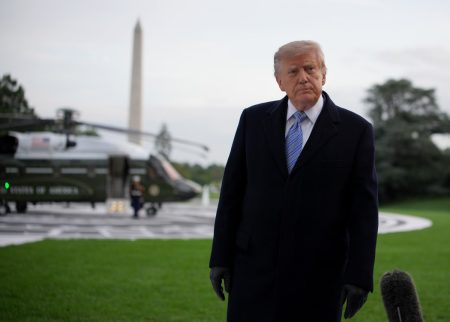
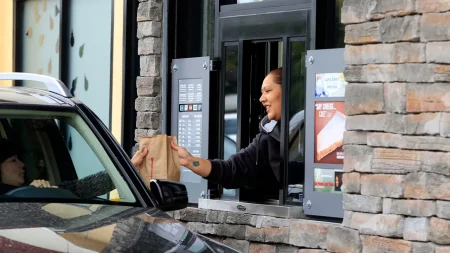
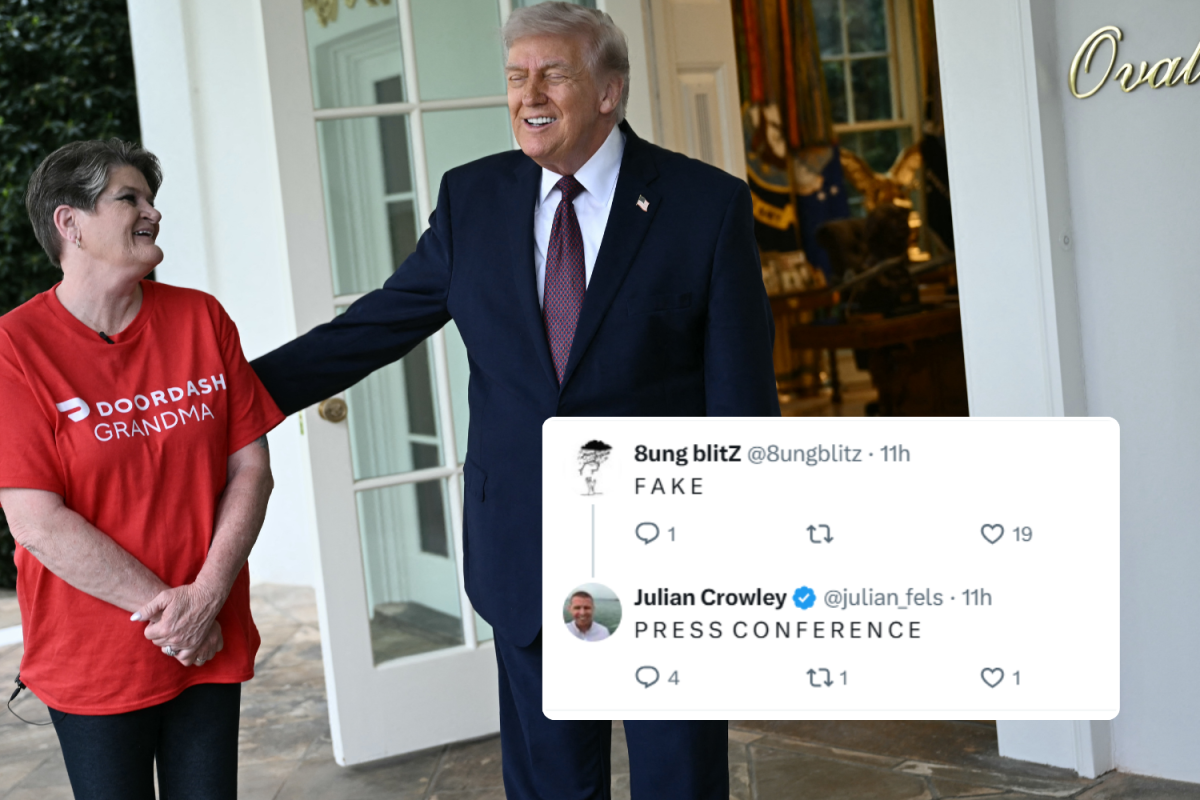
In the ever-churning world of politics and social media, where every carefully planned moment can explode into a viral firestorm, a seemingly simple event turned into a major headache for a popular app company. DoorDash, the delivery service that whisks everything from burgers to bouquets straight to your door, found itself smack in the middle of controversy when its head of public affairs, Julian Crowley, had to jump into the fray to defend the company’s involvement in a high-profile stunt. It all started with a “delivery” to the White House featuring DoorDash driver Sharon Simmons, who rolled up wearing a catchy “DoorDash Grandma” T-shirt during a televised press event with President Donald Trump. Ostensibly, this was meant to highlight a proposed policy on not taxing tips, a move aimed at boosting workers like Simmons who rely on those extra earnings to make ends meet. But as the footage hit online platforms, it didn’t take long for critics to point out that this delivery felt suspiciously timed—right in the middle of a reporter gathering, making it look more like a scripted publicity ploy than a spontaneous drop-off. People couldn’t help but wonder: was this organic, or was it all staged to pump up Trump’s agenda? Julian Crowley, ever the direct communicator, took to X (formerly Twitter) to set the record straight, turning what could have been a quiet PR mishandling into a very public back-and-forth. This incident underscores how companies navigate the tricky waters of political endorsements; one wrong move, and your brand is dragged into debates far beyond app deliveries. For DoorDash, which prides itself on connecting everyday people with their favorite comforts, getting tied to presidential pageantry exposed them to reputational risks that no algorithm could algorithmically dodge. In a time when trust in institutions is as fragile as a standing ovation, this event became a case study in how quickly public perception can shift from admiration to skepticism. Crowley, with his rapid-fire responses, tried to humanize the narrative by emphasizing the real people behind the scenes, like Simmons, who wasn’t just a prop but a passionate advocate for her benefits. Yet, the drama spiraled, reminding us all that in the age of social media, where opinions spread like wildfire, even the most well-intentioned campaign can backfire spectacularly. It’s a classic tale of modern optics: what looks like a feel-good story from afar might just be a meticulously arranged cameo in Trump’s larger show. The backlash highlighted broader tensions—people are tired of feeling manipulated, and this “delivery” symbolized for many the blurring lines between genuine advocacy and manufactured cheerleading. As consumers, we crave authenticity in our apps, our food, and our politics, and when that feels compromised, it’s no surprise the online outrage boiled over so fast. Crowley stepped in not with corporate jargon but with witty, sarcastic retorts, showing a side of DoorDash that’s not afraid to get real in the trenches of public discourse. This wasn’t just about fast food logistics; it was about integrity in an era where every gesture is scrutinized through a cynical lens.
The social media uproar was swift and unrelenting, like a digital mob storming a castle with pitchforks made of tweets and memes. Just hours after the White House event aired on screens nationwide, photos and clips of Sharon Simmons— that unassuming DoorDash driver in her themed shirt—flooded platforms, and the accusations flew in thick and fast. Critics on X and beyond questioned the coincidental timing: why would a delivery truck show up right as reporters gathered, not a minute off? One user slammed it as utterly “staged,” claiming Simmons wasn’t some random courier but a “specifically invited” participant masquerading as everyday normalcy. Others didn’t hold back, calling it “fake” outright or accusing her of being a mere prop in Trump’s theatrical production, used to sell a policy on not taxing tips that, at its core, aimed to appeal to working-class Americans like her. It was a visceral reaction, rooted in fatigue from a political landscape rife with optics over substance, where everything feels like a scripted performance. People shared screenshots and threads dissecting the footage, pointing out how the whole setup screamed artificial—from the perfectly placed media to the branded attire that doubled as subtle promotion. “This reeks of cynicism,” echoed across timelines, with some users drawing parallels to pastWhite House stunts that left many feeling duped. For DoorDash, which built its empire on the reliability of running errands for millions while hiding behind a friendly interface, this meant confronting the ugly side of visibility. How do you explain that what started as support for workers’ rights ended up looking like complicity in a charade? The backlash wasn’t just about the event; it tapped into deeper mistrust in politics, where even a company’s “good deed” could be twisted into evidence of puppetry. Simmons herself became a talking point, portrayed alternately as a victim of spin or a willing participant in a farce. As the posts piled up, it became clear this wasn’t fading away; it was gaining momentum, with hashtags like #StagedDelivery trending as armchair detectives unpacked every pixel. In human terms, it felt personal—like someone promising a free lunch but delivering it with strings attached, leaving everyone hungry for truth. Crowley’s entry into the conversation wasn’t long in coming; he couldn’t just let the narrative fester unchecked. Instead of issuing a sterile press release, he dove headfirst into the fray, responding to threads and directly addressing naysayers with candor that humanized the corporate response. No corporate doublespeak here; just plain talk amid the uproar.
Julian Crowley, DoorDash’s head of public affairs, turned to X to counteract the swirling negativity with a mix of defense, frustration, and a dash of humor that cut through the noise. He made it crystal clear right off the bat that no one was pretending this was a run-of-the-mill order. “No one is claiming it was a real delivery,” he tweeted bluntly, driving home that it was an overt, planned affair tied to the “no tax on tips” policy launch. Far from denying the staging, Crowley owned it, framing it as a deliberate spotlight on an initiative with real implications for Dashers like Sharon Simmons. When critics called Simmons a “plant,” “actor,” or “prop,” Crowley shot back hard: “To claim Sharon is a prop, plant or an actor is totally wrong and off base. She is a Dasher and she participated to support the policy that benefits her.” It was a passionate defense, painting Simmons as an authentic voice, not a marionette in someone’s puppet show. He acknowledged that preparation happened— of course, they’d brief her on facing the press and the President—but insisted that didn’t diminish her genuineness. “Ofc we would speak to Sharon about what to expect before she appeared before the media and with the President,” he wrote, adding, “But Sharon spoke for herself and in support of No Tax on Tips.” In one particularly feisty exchange, a user tweeted just “F A K E,” and Crowley clapped back with “P R E S S C O N F E R E N C E,” a cheeky reminder that this was always about orchestrated messaging, not subterfuge. He poked fun at the conspiracy theories, saying, “I love a conspiracy as much as the next person but man you need to touch grass. It was a special delivery to mark a policy that has bipartisan support.” Crowley’s approach felt refreshingly human—impatient with baseless claims, yet empathetic toward the real workers involved. By engaging directly, he avoided the trap of seeming evasive, instead inviting dialogue in the messy world of online opinions. It was as if he was saying, “Hey, we’re not perfect, but let’s cut through the noise.” His responses injected a layer of personality into what could have been a dry damage control exercise, showing DoorDash as a company willing to stand its ground while valuing its people. In a digital age where vitriol spreads quicker than compliments, Crowley’s willingness to spar publicly highlighted a leadership style that’s direct and relatable, even if it meant weathering more attacks. Ultimately, it wasn’t just about saving face; it was about protecting the story of real individuals like Simmons, who volunteered to amplify issues close to her heart.
Crowley’s clarifications went deeper, emphasizing the human elements behind the headlines to combat the wave of misinformation flooding the internet. He reiterated that Simmons wasn’t coerced or cast in some nefarious role; she was a veteran Dasher with skin in the game, genuinely backing a policy that could lighten her financial load by eliminating taxes on tips. This wasn’t some random passerby plucked for drama—it was someone who’s poured years into the gig economy, zigzagging city streets to deliver joy (and grub) to doorsteps. Crowley pointed out her attire, the “DoorDash Grandma” shirt, as not just branding but a nod to the everyday heroes DoorDash celebrates, from retirees to students padding incomes. By briefing Simmons beforehand, the company ensured she felt prepared, not manipulated, turning a potentially intimidating White House gig into an empowering platform. Critics argued this scripted appearance undermined her authenticity, but Crowley argued the opposite: it amplified her voice, allowing her to advocate openly without relying on spontaneity. His tweets humanized Simmons further, describing her as someone who chose to stand with the policy, speaking passionately about how it mattered in her daily hustle. This narrative flip— from manufactured event to meaningful advocacy—aimed to reclaim control of the story, reminding onlookers that behind every viral clip are real lives affected by policy shifts. In the grand scheme, Crowley’s pushback served as a reminder that in politics, narratives are malleable, and companies like DoorDash must navigate them carefully to protect their ethos. By defending Simmons so vehemently, he spotlighted the gig worker’s perspective, countering accusations of exploitation with affirmations of agency. It was a bold move in an era where social media can paint black-and-white pictures in shades of gray, and Crowley didn’t shy away from calling out the overreach. His responses weren’t just defenses; they were calls for empathy, urging critics to see the person, not the prop. This episode illustrated how a single event, intended to highlight economic empathy, could ignite debates on authenticity, forcing a company to defend its actions in the public square. For DoorDash, it was a lesson in vulnerability, proving that transparency, wrapped in personality, can sometimes sway the tide of opinion.
Amid this specific firestorm, the DoorDash White House delivery unfolded against a backdrop of larger controversies engulfing President Trump’s public image, making the incident feel like just one chapter in a sprawling saga of high-stakes drama. Just days earlier, Trump had stirred outrage with a Truth Social post taking aim at Pope Leo XIV, a jab that ruffled feathers in religious and diplomatic circles alike, and then compounded it with an AI-generated image depicting himself as Jesus Christ—a move decried by critics as both blasphemous and tone-deaf. These outbursts overshadowed the intended focus on policies like “no tax on tips,” diluting what White House strategists hoped would be a straightforward pitch to everyday Americans reliant on service industries. The door delivery, with its photogenic charm, was an attempt to inject heart into a turbulent week, showcasing real folks like Sharon Simmons to soften the blows from Trump’s more polarizing antics. However, the backlash against the event risked amplifying the distractions, with social media users tying it to broader narratives of manipulation and detachment from accountability. Crowley’s X interventions came at a moment when public faith in political spectacles was fraying, as people grappled with a president seemingly unafraid of controversy, from papal provocations to divine self-portraits that blurred the lines between parody and hubris. For DoorDash, branding itself as a neutral facilitator of daily conveniences, this association with Trump’s rollercoaster ride highlighted the perils of wading into partisan waters. The company’s rapid defense wasn’t just about salvaging optics; it was a bid to disassociate from the chaos without abandoning its support for economic initiatives that mattered to its workforce. In this context, Simmons’ appearance stood as a glimmer of relatability amidst the uproar, a counterpoint to the grandiosity that defined Trump’s week. Yet, it spoke to a deeper cultural divide—where even well-meaning gestures are viewed through lenses tinted by skepticism. Crowley’s approach, with its blend of snark and sincerity, mirrored a public yearning for straightforwardness in an environment rife with twists. Ultimately, the episode underscored how companies operating in the public eye must tread lightly, as one ill-timed alliance can echo the broader waves of discontent. For Trump, it was another reminder that in the court of public opinion, substance often loses to spectacle.
Looking ahead, the fallout from DoorDash’s White House cameo serves as a stark reminder of the reputational tightropes businesses walk in today’s hyper-connected world. Julian Crowley’s proactive stand on X, while managing to quell some of the immediate outrage, raises questions about how companies can authentically engage in political discourse without inviting scrutiny. For DoorDash, the incident might prompt internal reviews on partnerships tied to high-profile figures, ensuring future public-facing moments prioritize transparency to avoid similar backlash. If the “no tax on tips” policy gains traction, it could vindicate Simmons’ advocacy role, showcasing her as a symbol of gig economy resilience rather than a careless cameo. Meanwhile, as Trump’s controversies continue to dominate headlines, from papal feuds to AI antics, DoorDash’s experience entertains broader lessons on navigating PR minefields. Consumers and critics alike will keep a keen eye on how such collaborations play out, demanding authenticity in an age where every frame is fair game for dissection. For Crowley and his team, it might mean doubling down on human-centric storytelling, highlighting stories like Simmons’ to build trust rather than coasting on convenience. The episode also amplifies conversations about the ethics of staged events in politics, pushing for clearer disclosures to prevent perceptions of deceit. In a world where social media amplifies whispers into roars, the DoorDash response illustrates the value of quick, genuine engagement over silence. What’s next could see similar moments evolve with more nuance, fostering collaborations that feel less performative and more purposeful. Ultimately, it humanizes the challenges of balancing corporate interests with public accountability, reminding us that behind every viral storm, there are opportunities for growth and reform. As DoorDash moves forward, this could cement its reputation not just as a delivery app, but as a brand willing to stand up for its people in the spotlight.